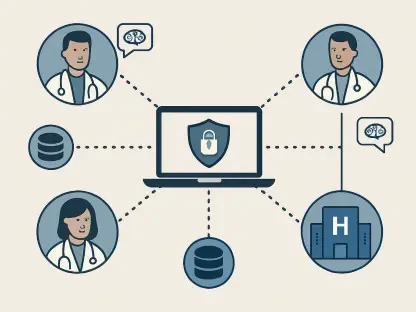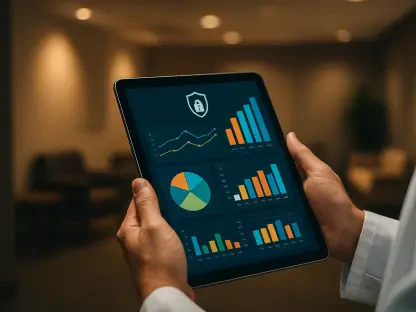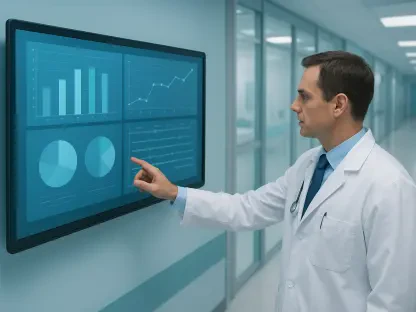

The inherent disparity between a patient’s medical requirements and the care they actually receive often stems from systemic friction rather than a lack of specialized clinical expertise or available treatments. While medical innovations in 2026 have reached a pinnacle of precision, the delivery of these services continues to be hampered by traditional barriers that disproportionately affect vulnerable populations. Health equity remains the central goal, ensuring that a patient’s clinical journey is dictated by their actual health needs rather than their socioeconomic standing, geographical location, or native language. To achieve this, hospitals are evolving into proactive digital networks that utilize integrated tools to dismantle the obstacles preventing universal access to high-quality care. By prioritizing a more inclusive architecture, these institutions are not just treating symptoms but are also addressing the logistical and cultural hurdles that previously dictated survival rates. This shift marks a significant move away from the one-size-fits-all model of the past toward a truly individualized experience.
Overcoming Communication Gaps and Geographical Hurdles
Bridging the Language Divide: Integrated Systems
Language barriers present a formidable challenge in the American healthcare landscape, affecting approximately 20% of residents and often resulting in fragmented medical exchanges. Historically, hospitals relied on external phone services that operated outside the primary clinical workflow, which frequently led to rushed consultations or the omission of vital interpretation services. Modern systems have addressed this by embedding professional medical interpreters directly into records and bedside tablets.
By integrating these services into Electronic Health Records, hospitals enable a seamless, one-click standard for communication. This high level of digital integration ensures that clear, culturally competent dialogue becomes a routine component of every patient encounter. By bridging these linguistic gaps, healthcare providers are drastically reducing the risk of diagnostic errors and decreasing the likelihood of preventable readmissions for non-native speakers who previously struggled to navigate complex recovery instructions.
Expanding Care Delivery: Virtual Solutions
Geography has long functioned as a silent determinant of health outcomes, particularly for patients in rural communities who must navigate significant obstacles to reach a specialist. For many, the cost of a routine visit extends far beyond the medical bill, encompassing travel expenses, lost wages, and the complexities of arranging childcare. Telehealth technologies have effectively shrunk the map, allowing world-class medical expertise to reach patients in their own homes regardless of proximity to a medical center.
This capability is especially transformative for individuals managing chronic conditions that require frequent follow-up consultations. By removing the financial and logistical burdens associated with travel, virtual care ensures that a patient’s zip code no longer serves as a barrier to receiving top-tier expertise. Consequently, hospitals are seeing a rise in appointment compliance and a decrease in the acute escalations that result from delayed or inconsistent medical care, effectively equalizing the quality of treatment for remote populations.
Sustaining Health through Continuous Monitoring and Education
Strengthening Patient Autonomy: Remote Monitoring
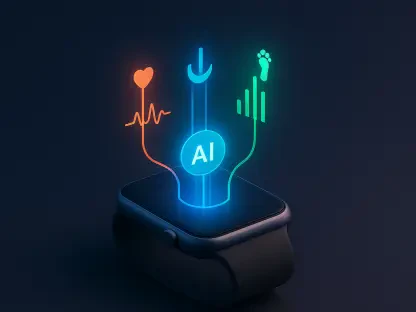
The transition from reactive crisis management to proactive wellness tracking is visible in the rapid adoption of Remote Patient Monitoring systems across various medical disciplines. By utilizing connected devices to track vital signs such as blood pressure and glucose levels from a home setting, care teams can now identify subtle physiological trends before they manifest as emergencies. This technology provides a critical safety net for individuals with limited mobility or demanding work schedules.
It creates an early warning system that protects the most vulnerable from the trauma and high costs of avoidable hospitalizations by providing clinicians with a stream of real-time data. Rather than waiting for a patient to present at the emergency department with a crisis, providers can now intervene with medication adjustments or lifestyle advice based on data collected in the patient’s natural environment. This ensures that care is constant rather than sporadic, protecting those who lack traditional support.
Empowering Recovery: Digital Literacy
Addressing the deficiency in health literacy is another area where digital tools have made profound strides in narrowing the equity gap. Hospitals have moved away from the era of dense, paper-based pamphlets, which were often only available in English and failed to communicate instructions. In their place, on-demand digital platforms now provide interactive videos and mobile applications that explain recovery protocols in multiple languages and at various literacy levels, meeting the patient where they are.
Healthcare systems successfully demonstrated that digital education and remote tracking were essential for closing the equity gap. Looking ahead, hospitals should prioritize the seamless integration of these tools into standard discharge protocols and invest in universal broadband access to support low-income neighborhoods. By maintaining a focus on human-centric design, the industry established a framework where technical innovation consistently served the cause of universal health equity and patient safety.