
For individuals residing in the more isolated stretches of the regional landscape, the traditional model of specialized disability support frequently involved insurmountable travel times and long waitlists for visiting practitioners. By 2026, the National Disability Insurance Scheme has undergone a radical transformation, positioning telehealth as a primary rather than a secondary service delivery method. This shift effectively addresses the chronic shortage of therapists in rural zones by leveraging high-definition video and cloud-based management systems. The integration of digital platforms has allowed participants to access speech pathology, occupational therapy, and mental health support from the comfort of their homes, fostering a sense of autonomy that was previously hindered by logistical constraints. Beyond simple convenience, this digital evolution ensures that the quality of care provided in a remote farmhouse is indistinguishable from that found in a metropolitan center. This systemic focus on equitable access has finally begun to close the gap.
Technological Foundations: Bridging the Geographic Divide
High-Speed Connectivity: The Role of Low-Earth Orbit Networks
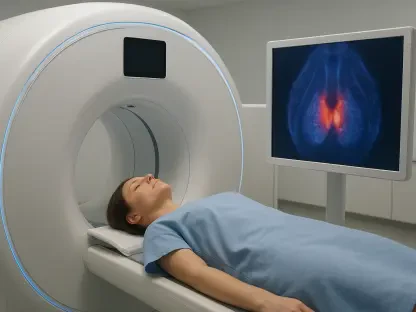
The reliability of these remote services rests heavily on the deployment of sophisticated connectivity solutions that provide stable, low-latency internet access across the continent. Low-earth orbit satellite constellations have proven to be the backbone of this movement, ensuring that even participants in “black spot” areas can maintain a high-quality video stream without the frustration of constant buffering or dropped calls. For a child receiving behavioral therapy via a specialist software platform, the difference between a pixelated image and a fluid, real-time interaction is the difference between a successful intervention and a failed session. Providers have moved away from legacy networks in favor of these high-speed alternatives, which allow for the transmission of large files, such as gait analysis videos or complex neurological scans, in seconds. This robust infrastructure supports a multidisciplinary approach where multiple specialists join a single call to discuss a participant’s progress in a cohesive manner.
Secure Architectures: Protecting Health Information in the Cloud
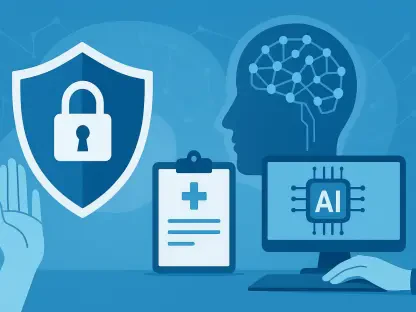
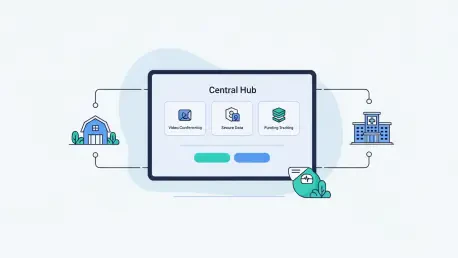
Maintaining the confidentiality of sensitive health data is a paramount concern for both NDIS providers and participants navigating this new digital landscape. In 2026, the adoption of blockchain-verified identity protocols and end-to-end encrypted databases has become standard practice for regional service delivery. These technological safeguards prevent unauthorized access while allowing authorized therapists to update progress notes and service bookings in real-time. Specialized software designed specifically for the disability sector now features intuitive interfaces that help participants track their funding usage and therapist availability without needing advanced technical skills. By centralizing documentation in secure, cloud-based environments, the risk of lost paperwork or miscommunicated instructions is virtually eliminated. These platforms allow for automated auditing by the National Disability Insurance Agency, ensuring that every dollar of a plan is spent on verified, high-quality interventions that meet the established clinical guidelines for safety.
Actionable Pathways: Ensuring Sustainability and Long-Term Access
The successful integration of telehealth into the regional NDIS framework demonstrated that geographic isolation no longer serves as a barrier to world-class disability support. This transition required a concerted effort to improve digital literacy among participants and to standardize the reimbursement rates for remote interventions. To maintain this momentum, providers should prioritize the implementation of interoperable data standards that facilitate the smooth exchange of information between different healthcare entities. Investing in localized tech support hubs in rural townships could also alleviate the technical hurdles that occasionally disrupt therapy schedules. Furthermore, policy adjustments should continue to favor hybrid models of care that combine occasional in-person visits with consistent digital touchpoints to ensure the strongest possible therapeutic alliance. The previous years proved that the strategic application of communication technology not only saved money but also fundamentally enhanced the quality of life for many.