
For many older adults, the transition into a deep sleep triggers a hazardous sequence of gasping and silent suffocation that remains completely invisible to the waking world. Eight out of ten seniors suffering from obstructive sleep apnea are currently unaware they have the condition, effectively living with a ticking clock that disrupts their rest and strains their hearts every single night. While many individuals dismiss daytime fatigue as a natural byproduct of aging, the reality is often a physical blockage of the airway that stops breathing hundreds of times before dawn.
The emergence of smart rings and wearable sensors is changing this narrative, moving sleep tracking out of the laboratory and onto the nightstands of the most vulnerable populations. These devices allow for continuous monitoring in a home environment, providing a more accurate picture of a patient’s health than a single night in a clinic. By utilizing biometric data, healthcare providers can now identify patterns that were previously impossible to catch without intensive intervention.
The Silent Nighttime Struggle: Hidden in Plain Sight
Obstructive sleep apnea remains one of the most underdiagnosed conditions among the elderly, primarily because its symptoms occur when the patient is least conscious. The condition is characterized by repeated pauses in breathing, which force the brain to briefly wake the body to resume airflow. These “micro-awakenings” prevent the individual from reaching the restorative stages of deep sleep, leading to a state of chronic exhaustion that many seniors simply accept as a part of life.
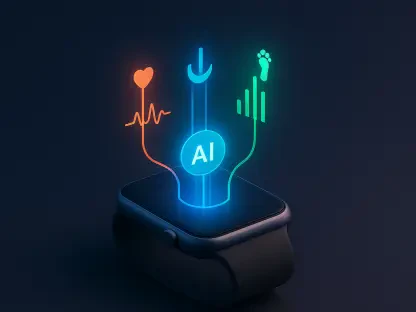
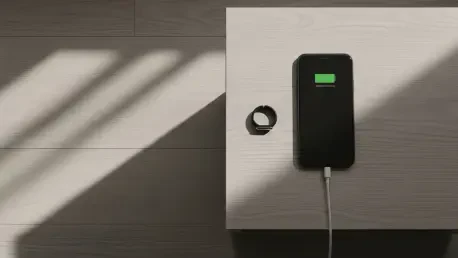
The integration of wearable technology like the Oura Ring offers a discreet solution to this pervasive problem. By monitoring heart rate variability and movement throughout the night, these devices can flag the telltale signs of respiratory distress without the need for bulky equipment or wires. This technological shift is crucial for seniors who may live alone and lack a partner to report heavy snoring or gasping episodes, which are the traditional indicators of the disorder.
Why Traditional Diagnosis Fails: The Aging Population
Despite the fact that nearly a third of adults over age 65 suffer from sleep apnea, the diagnostic gap remains a significant hurdle in modern geriatric medicine. Traditional methods often rely on self-reporting or a partner’s observation, which are notoriously unreliable and frequently overlooked during brief primary care visits. This disconnect has led to a surge in partnerships between Medicare Advantage insurers and technology firms, aiming to catch the symptoms that patients usually fail to mention.
Furthermore, the clinical environment of a sleep lab can be intimidating or inaccessible for many seniors with mobility issues. The artificial setting often fails to capture the typical sleep patterns of an individual, leading to results that do not reflect their daily reality. By shifting the focus toward long-term data collection in the home, insurers like Essence Healthcare are able to identify at-risk members who would otherwise slip through the cracks of the standard healthcare system.
The Mechanics: Wearable-Led Medical Intervention
Modern clinical programs now utilize a multi-step workflow that begins with the passive collection of biometric data, specifically focusing on nighttime breathing disturbances. Through advanced platforms like Lumeris “Tom,” these data points are analyzed to flag at-risk individuals who are then prompted to complete a STOP-BANG screening. This structured path ensures that the information captured by a smart ring isn’t just a digital curiosity but a precursor to a formal medical referral and a targeted treatment plan.
The process is designed to be seamless, requiring minimal effort from the senior while providing maximum insight for the physician. Once the data indicates a high probability of sleep apnea, the results are shared directly with the patient’s primary care provider. This creates a clear bridge between consumer technology and clinical practice, allowing for a more informed discussion during medical consultations and ensuring that the subsequent treatment is based on objective evidence rather than memory.
Clinical Evidence: The Dangers of Persistent Sleep Fragmentation
Medical experts, including Dr. Saria Saccocio of Essence Healthcare, warn that untreated sleep apnea is rarely an isolated issue; it is a gateway to severe complications. The constant cycle of suffocation and awakening triggers a stress response that increases the risk of heart attacks, strokes, and arrhythmias. These cardiovascular risks are particularly dangerous for seniors, whose systems may already be compromised by other age-related conditions or chronic diseases.
Furthermore, the condition creates a dangerous feedback loop with metabolic disorders like diabetes. Fragmented sleep makes it significantly harder for the body to regulate insulin and blood sugar levels effectively, leading to a cycle of poor health that is difficult to break. By addressing the underlying sleep disorder, clinicians can improve the management of these comorbid conditions, ultimately enhancing the overall quality of life and longevity for the aging population.
Strategies: Integrating Smart Biometrics Into Personal Care Plans
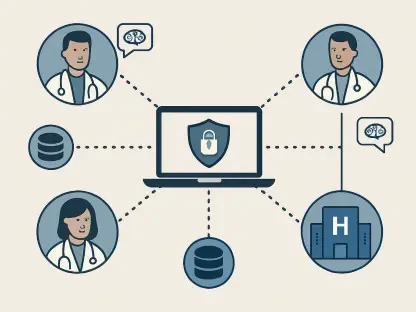
To turn wearable data into a life-saving tool, seniors and their caregivers focused on the concept of “triangulation” between the patient, the insurer, and the physician. Success in these programs involved consenting to secure data sharing that allowed primary care doctors to view objective sleep patterns rather than relying on a patient’s potentially flawed memory. By opting into these digital health ecosystems, seniors moved from passive monitoring to proactive management of their long-term wellness.
The transition toward integrated wearable technology provided a blueprint for the future of geriatric care. Seniors who embraced these devices found that a simple piece of jewelry served as a critical first line of defense against chronic disease. This collaborative effort effectively bridged the divide between home monitoring and professional medical treatment, ensuring that nighttime breathing disorders no longer remained a silent threat to the health of the elderly.