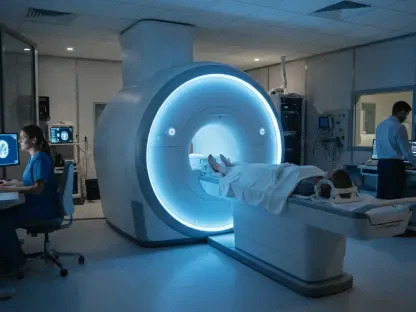
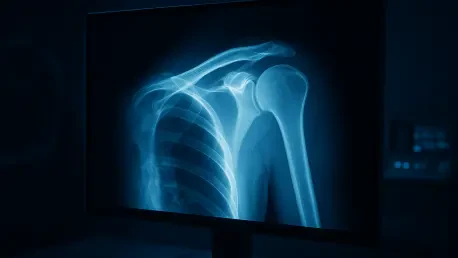
While Magnetic Resonance Imaging serves as the definitive tool for diagnosing tendon damage, its high cost and limited availability frequently delay treatment for patients in resource-constrained environments. Consequently, the clinical landscape of musculoskeletal medicine is defined by a tension
Advanced SPECT and PET cameras convert photons emitted by molecular tracers into three-dimensional maps of disease activity with unprecedented diagnostic sensitivity. This capability has repositioned nuclear medicine from a supporting role in hospitals to a primary engine of therapeutic progress.
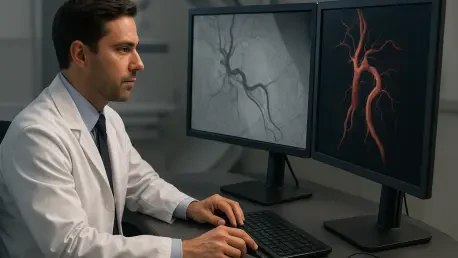
The recent FDA clearance of the Liberty Endovascular Robotic System marks a pivotal transition from manual vessel manipulation to robotic-assisted precision in oncology care. This technological leap, spearheaded by Microbot Medical, addresses the fundamental physical and technical constraints that

The theranostics methodology employed by ITM combines high-resolution diagnostic imaging with targeted radioisotope therapy to create a personalized approach to cancer care. As the medical community gathers in Vienna for the European Association of Nuclear Medicine Congress, this precision-focused
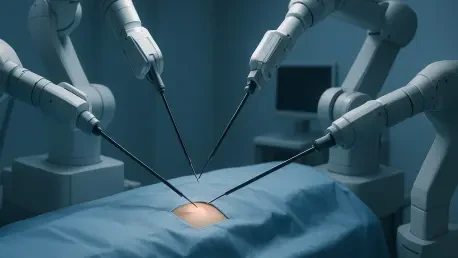
Successful adoption of robotic platforms requires a site-specific cultural integration involving nurses, technologists, and anesthesiologists alongside the primary surgeon. Emory University Hospital has established a profound benchmark in this evolution by becoming the first institution to
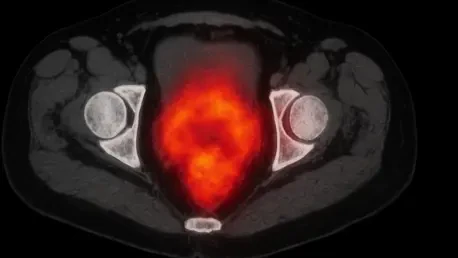
Gallium-68 PSMA-11 radiotracers create a vivid molecular signature that reveals metabolic activity even in anatomically normal regions of the prostate. This breakthrough addresses a persistent challenge in modern urology, where traditional multiparametric MRI often fails to detect high-grade tumors