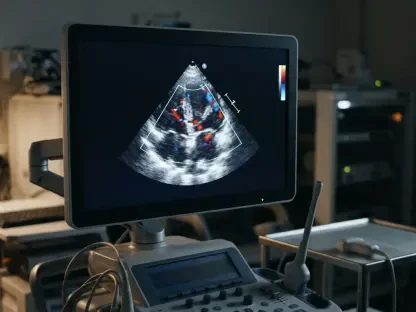
The ability to monitor the wash-in and wash-out phases of a contrast agent in real time is essential for navigating the complicated diagnostic landscape of liver disease. This environment is frequently clouded by the presence of "imposter" lesions—masses that mimic the appearance of malignancy on

Success in treating recurrent prostate cancer hinges on the ability to detect disease at extremely low PSA values where traditional imaging often fails. For years, clinicians struggled with blind spots during biochemical recurrence, where rising PSA levels indicated the presence of cancer, yet
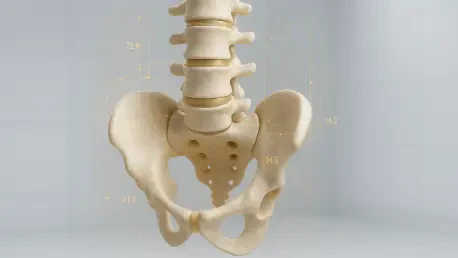
Mathematical filters like LASSO regularization ensure that AI models focus only on the most predictive markers of cancer while discarding irrelevant data points. This methodological precision is essential when addressing sacral tumors, which represent a significant hurdle in modern orthopedic
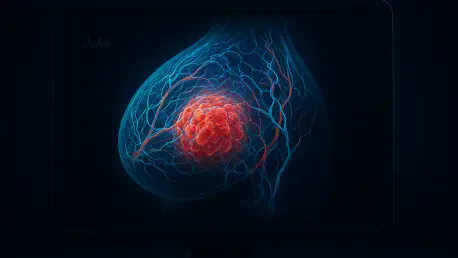
High-speed proliferation and aggressive growth patterns separate Luminal B tumors from their slower-growing Luminal A counterparts, dictating the necessity of chemotherapy. For decades, the primary method for distinguishing these subtypes relied on invasive needle biopsies, which extract tissue for

Transforming AI from an environmental liability into a sustainable asset requires moving beyond efficient coding to address the entire technological supply chain. As hospitals and research centers integrate machine learning into every facet of patient care, the promise of precision medicine is
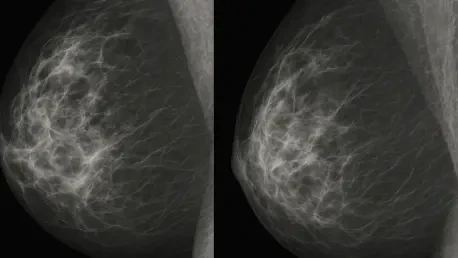
Heatmaps generated by explainability tools ensure that a model is looking at actual lesions rather than clinical markers or background artifacts. This development marks a pivotal shift in how the medical community views artificial intelligence in 2026, where the goal has moved beyond simple