Imagine the profound frustration of a patient whose blood tests indicate a returning cancer while the most advanced imaging technology available remains stubbornly blank. This specific scenario represents a significant hurdle in modern oncology, where prostate-specific membrane antigen (PSMA)
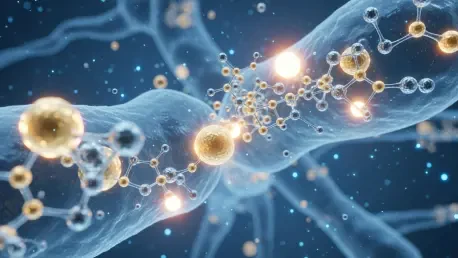
The quest for sharper diagnostic clarity has propelled the global magnetic resonance imaging contrast agent market toward a projected $2.17 billion valuation by 2030. This expansion signifies a major transition from basic visualization to a complex, molecular understanding of human pathology.
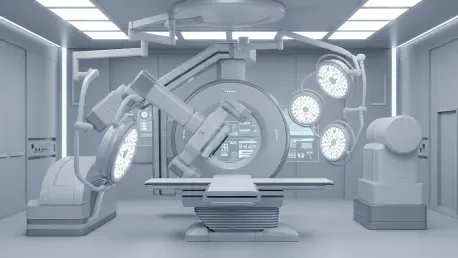
The success of a modern neurovascular intervention often depends on a margin of error thinner than a human hair, making the absolute stability of the patient the most critical variable in the operating room. In high-pressure clinical settings such as stroke treatment or complex oncology procedures,
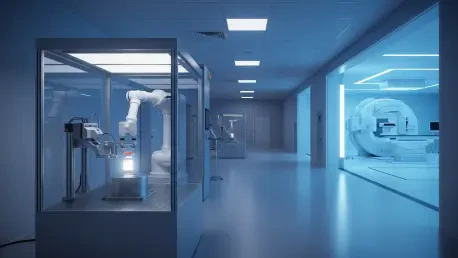
Recent breakthroughs in nuclear medicine have reached a critical point where the ability to visualize and neutralize malignant cells with surgical precision is often neutralized by the financial inertia of modern healthcare systems. Research conducted at the University of Queensland indicates that
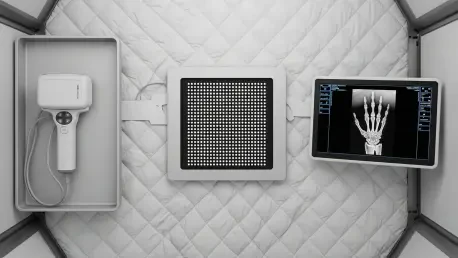
As humanity extends its reach toward the Moon and Mars, the logistical hurdles of maintaining human health in deep space have become increasingly complex and critical for mission success. For decades, the primary method for visualizing the interior of the human body in orbit has been limited to
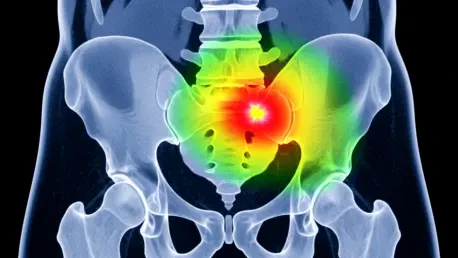
The agonizing wait for a definitive diagnosis of endometriosis, which has historically taken an average of seven to ten years, is finally being curtailed by a new generation of non-invasive diagnostic tools. For decades, millions of individuals have suffered through debilitating pelvic pain and