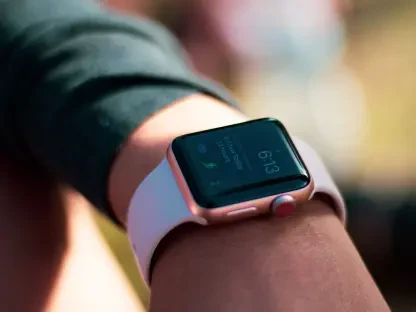
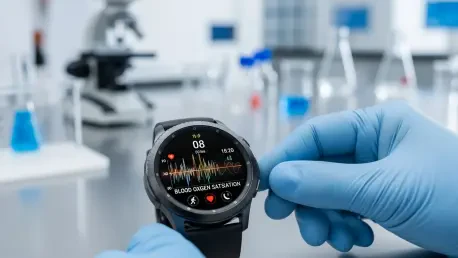
The rapid evolution of wearable technology has officially crossed the threshold from casual health monitoring into the rigorous and highly regulated domain of pharmaceutical research and development. For years, the commercial success of smartwatches was tied to step counts and heart rate graphs,

The traditional landscape of medical consultation is undergoing a radical shift as millions of patients worldwide now bypass conventional clinics in favor of sophisticated artificial intelligence platforms that offer immediate, personalized health insights. This transition marks a fundamental

The persistent disparity in medical research and diagnostic accuracy between genders has long sidelined the specific physiological needs of women, creating a systemic imbalance that modern health technology is finally beginning to dismantle with targeted investment. This landscape of inequality is

The rapid integration of sophisticated network-connected devices into the global healthcare ecosystem has fundamentally altered the paradigm of patient care by offering unprecedented levels of real-time monitoring and diagnostic precision. This shift toward the Internet of Medical Things (IoMT) is

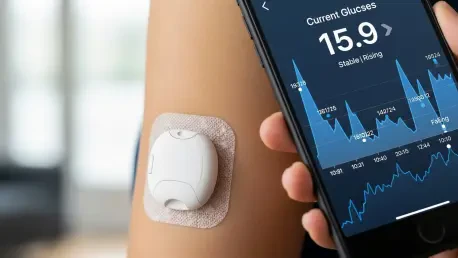
The pharmaceutical landscape underwent a significant transformation when over-the-counter glucose monitoring systems became widely available for pediatric use without a prior clinical diagnosis. For years, these advanced wearable devices were strictly regulated and reserved for patients with

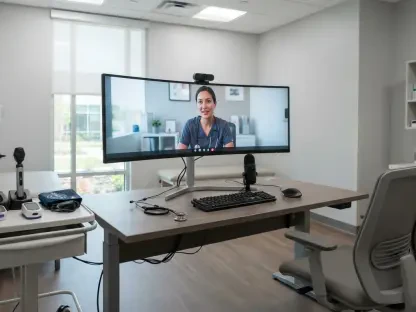
The healthcare landscape is currently undergoing a massive paradigm shift where the ability to access and interpret complex medical data instantly has become the primary benchmark for institutional success. At the McPherson Center for Health, this evolution is taking a tangible form through the