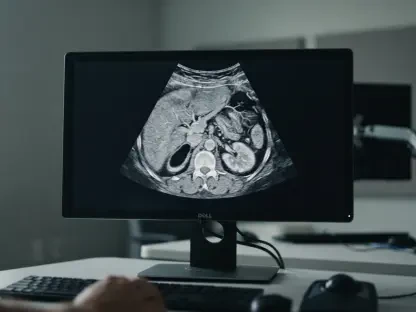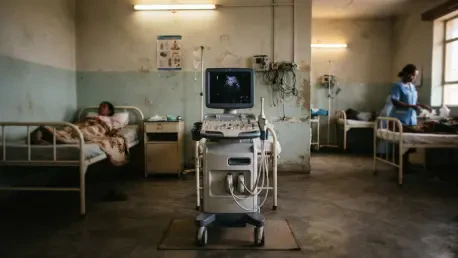

Data from 153 radiology professionals reveal that the current state of ultrasound hygiene in Ethiopia poses a substantial and preventable risk for healthcare-associated infections. While ultrasound technology remains a cornerstone of modern diagnostic medicine, the sanitation protocols governing the equipment have seemingly lagged behind its clinical adoption across the country. This discrepancy creates a hidden vector for pathogen transmission, turning a life-saving diagnostic tool into a potential source of harm for vulnerable patient populations. Recent observations suggest that despite the availability of sophisticated imaging systems, the fundamental principles of aseptic technique are often sidelined during high-pressure clinical workflows in busy departments. The focus on immediate diagnostic output frequently overshadows the secondary, yet equally vital, task of maintaining equipment sterility. This environmental reality underscores an urgent need to reevaluate how medical devices are managed in resource-constrained settings where the local infection burden is already high.
Methodology and Framework: Investigating Clinical Standards
Systematic Approach: Using Digital Tools for Accuracy
The study utilized a comprehensive cross-sectional design to capture a snapshot of the prevailing conditions within the Ethiopian radiological landscape. Conducted between August and November 2025, the research team engaged a diverse cohort of 153 professionals, ranging from experienced radiologists to those currently in residency programs. By utilizing the KoboToolbox platform for secure data collection, the researchers ensured that the information gathered remained consistent and representative of various medical facilities across the nation. Statistical validation was achieved through the use of SPSS version 27, which allowed for a detailed descriptive analysis and binary logistic regression. This methodological approach ensured that the findings were not merely anecdotal but were grounded in a statistically significant framework with a 95 percent confidence interval. Such rigorous standards are essential for identifying the underlying causes of hygiene lapses and for formulating strategies that can effectively address these systemic weaknesses.
Participant Demographics: A Nationwide Cross-Sectional View
Beyond the raw numbers, the study sought to understand the qualitative barriers that impede adherence to established safety standards among diverse healthcare workers. By focusing on clinicians who operate at the front lines of patient care, the researchers were able to identify a distinct gap between theoretical knowledge and practical application. Participants were asked to self-report their behaviors across a variety of clinical scenarios, providing a nuanced look at how environmental pressures and resource availability dictate sanitary outcomes. The diversity of the participant pool, which included professionals from both public and private institutions, offered a holistic view of the national healthcare infrastructure. This wide lens revealed that the issues were not confined to a single type of facility but were instead endemic to the broader system. Understanding these dynamics is crucial for developing interventions that are both culturally relevant and practically feasible within the specific socioeconomic context of the region.
Identifying Barriers and Clinical Outcomes
Critical Findings: The Gap in Routine Disinfection
The investigation uncovered startling statistics regarding the frequency of disinfection across different types of ultrasound examinations. For surface-level scans, which are among the most common procedures in any radiology department, the failure rate was nearly universal; an overwhelming 96.1 percent of respondents admitted to not disinfecting probes after contact with intact skin. Even when dealing with non-intact skin, where the risk of infection is significantly elevated, 70.6 percent of practitioners failed to follow standard decontamination protocols. These figures highlight a pervasive complacency regarding low-level disinfection, likely driven by the misconception that surface contact carries minimal risk. However, in an environment where multidrug-resistant organisms are an increasing threat, these lapses represent a critical vulnerability in the healthcare chain. The data suggests that the routine nature of these exams has led to a normalization of deviance where practitioners overlook basic steps.
High-Risk Procedures: Endocavity and Interventional Lapses
The risks became even more pronounced when the researchers analyzed endocavity procedures, which involve direct contact with mucous membranes. In these sensitive examinations, 62.3 percent of clinicians reported that they did not perform decontamination after every single patient contact. This specific finding is particularly concerning given that these probes are known vectors for highly transmissible pathogens if they are not treated with high-level disinfectants. Even in interventional radiology, which typically adheres to stricter surgical standards, the study found that 15.5 percent of professionals still failed to disinfect their equipment between procedures. This spectrum of noncompliance across various levels of invasive procedures points to a systemic breakdown in infection control training. It demonstrates that the severity of the procedure does not always correlate with the rigor of the hygiene practiced, suggesting that the problem is rooted in institutional habits.
Strategic Pathways for Enhanced Safety Standards
Driving Change: Institutional and Psychological Determinants
Through multivariate regression analysis, the researchers identified the primary factors that dictate whether a clinician will adhere to proper hygiene protocols. The most influential factor was the existence of institutional support, specifically the presence of a clearly defined departmental disinfection protocol. Clinicians working in environments with these established guidelines were more than six times more likely to maintain high standards of practice compared to those in departments without them. Furthermore, the consistent availability of disinfectant supplies played a similarly decisive role, increasing the odds of compliance by another sixfold factor. This evidence suggests that individual willpower is an insufficient substitute for a supportive institutional framework. When hospitals prioritize the procurement of sanitation materials and formalize their expectations through written policy, the behavior of the medical staff changes accordingly to meet the required safety benchmarks.
Future Safeguards: Implementing Sustainable Clinical Reforms
The study identified that the implementation of standardized guidelines served as the most effective starting point for systemic improvement. Hospital administrators recognized the need to move beyond decentralized decision-making, favoring instead the creation of mandatory sanitation checkpoints within the radiology workflow. These findings prompted a shift toward ensuring that disinfectant supplies were not only present but were also easily accessible at the point of care, minimizing the physical effort required for compliance. Targeted professional training sessions were launched to reinforce the biological rationale for high-level disinfection, particularly for endocavity procedures. Moving forward, the integration of hygiene metrics into regular performance reviews offered a way to maintain these standards. By treating probe sanitation as a core competency, healthcare facilities in Ethiopia began to close the gap between diagnostic capability and patient safety through these initiatives.