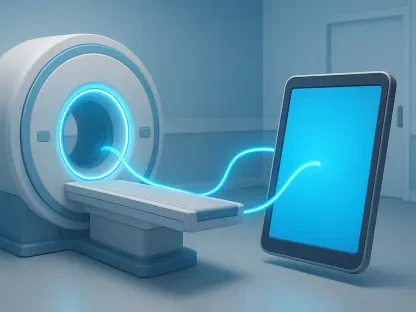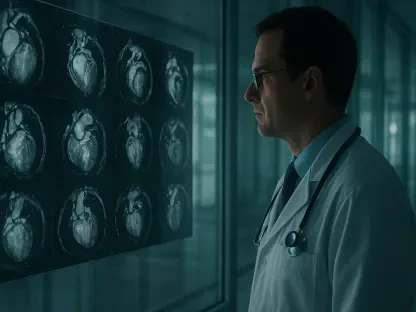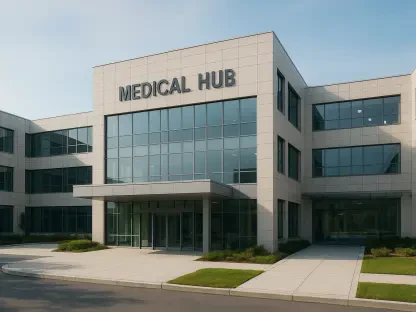

The healthcare landscape is currently undergoing a massive paradigm shift where the ability to access and interpret complex medical data instantly has become the primary benchmark for institutional success. At the McPherson Center for Health, this evolution is taking a tangible form through the implementation of MEDITECH Expanse, a sophisticated electronic health record system designed to serve as a single point of truth for all clinical and administrative operations. Scheduled to go live on July 1st, this migration represents a total overhaul of the existing digital infrastructure, moving beyond simple software updates to create a truly integrated healthcare ecosystem. The facility is transitioning away from legacy systems that often resulted in fragmented patient stories, aiming instead for a unified platform that allows for a continuous flow of information between departments. This investment reflects a commitment to modernization, ensuring that the hospital can provide high-quality, enterprise-level care that is usually reserved for much larger metropolitan medical centers. By replacing outdated workflows with a centralized architecture, the organization is positioning itself to meet the increasing demands of modern medicine while ensuring that every patient interaction is backed by a complete and accurate digital history.
Modernizing the Healthcare Infrastructure
Strategic Objectives: Achieving Connected Care
The implementation of a unified electronic health record system is primarily driven by the strategic objective of achieving connected care across every touchpoint of the patient journey. By consolidating medical records into a single, cohesive platform, the hospital effectively eliminates the administrative and clinical silos that historically hindered the speed of care delivery. This integration ensures that whether a patient is visiting a specialist, receiving nursing care, or undergoing a routine check-up with a primary provider, every member of the medical team is working from the exact same real-time data set. Such streamlined communication is critical for reducing clinical friction, as it removes the need for redundant data entry and minimizes the risk of informational gaps that can occur during handoffs between different departments. The resulting environment is one where decision-making is accelerated, allowing for faster diagnostic turnaround times and more precise treatment plans tailored to the specific historical needs of the individual. This move toward connectivity is not merely a technical improvement but a fundamental reimagining of how staff collaborate to provide comprehensive services.
Clinical Impact: Reducing Workflow Friction
Beyond immediate clinical benefits, the shift to a centralized data architecture enhances the overall safety and reliability of medical interventions by providing a comprehensive view of patient health. When providers have instant access to medication lists, allergy profiles, and previous diagnostic results within a single interface, the likelihood of adverse events is significantly diminished. This transparency allows for more proactive management of chronic conditions and more effective emergency responses, as critical information is no longer buried in disparate physical or digital files. Furthermore, the standardized workflows introduced by the new system help to enforce best practices across the entire organization, ensuring a consistent level of service regardless of the department. This level of synchronization is essential for a modern medical facility aiming to improve long-term outcomes while simultaneously optimizing operational efficiency. The transition essentially builds a digital foundation that supports future growth and the adoption of even more advanced medical technologies, ensuring that the facility remains at the cutting edge of the regional healthcare market.
Navigating the Organizational Transition
Digital Patient Experience: Launching the MHealth Platform
Empowering patients to take a more active role in their own health management is a cornerstone of the digital patient experience, facilitated by the launch of the interactive MHealth application. Starting on July 1st, individuals will be able to utilize this mobile platform to view their diagnostic results, manage prescription refills, and communicate directly with their care providers from the convenience of their smartphones or tablets. This transition to a more transparent model of healthcare allows patients to remain informed and engaged between visits, fostering a stronger partnership between the community and the medical staff. To ensure a smooth rollout, the hospital is proactively sending secure registration links to patients with upcoming appointments, prioritizing those with immediate needs to facilitate an orderly onboarding process. This focused approach helps to demystify the new technology, providing a clear pathway for residents to transition their medical management into a modern, digitally-driven format that prioritizes accessibility and ease of use. By integrating these mobile tools, the center is effectively bridging the gap between clinical visits and daily health maintenance.
Data Integrity: Managing Legacy Migration
As the organization transitioned to this new digital standard, the management of legacy data became a critical priority to ensure that the continuity of care remained uninterrupted throughout the migration process. The previous patient portal, MyCareCorner, was decommissioned as clinical updates ceased after the July 1st go-live date, necessitating a clear strategy for record preservation and historical data access. Patients were encouraged to archive their personal medical records prior to the system shift, while the hospital established a manual request process through the health information department for any services rendered before the transition. Leadership at the center, supported by the McPherson Healthcare Foundation and local donors, viewed this massive undertaking as a vital investment in the community’s long-term wellbeing. By providing dedicated navigators and a technical help line, the facility ensured that the complex task of navigating a system-wide overhaul was met with sufficient support, ultimately creating a more resilient and technologically advanced healthcare environment for all residents. This comprehensive approach ensured that historical information remained accessible while the organization moved toward a more integrated future.