
The persistent disparity in medical research and diagnostic accuracy between genders has long sidelined the specific physiological needs of women, creating a systemic imbalance that modern health technology is finally beginning to dismantle with targeted investment. This landscape of inequality is currently being reshaped by innovators who recognize that hormonal health and reproductive transitions require more than a one-size-fits-all medical approach. Ovum, a pioneering health tech startup, recently finalized a four-million-dollar funding round specifically designed to accelerate the development of personalized diagnostic tools and AI-driven insights for women. This capital infusion arrives at a critical juncture when the demand for specialized care in areas like menopause management and menstrual health is reaching an all-time high globally. By leveraging this investment throughout 2026 and into 2027, the company aims to bridge the data void that has historically characterized female health, providing clinicians and patients with the high-resolution data necessary for timely and accurate interventions. Furthermore, the integration of advanced biometric tracking allows for a more nuanced understanding of cyclical changes, moving beyond outdated models that frequently ignore the complexities of the endocrine system.
Technological Innovation: Interpreting Hormonal Data Through Artificial Intelligence
At the core of this initiative lies a sophisticated technological framework designed to interpret complex hormonal fluctuations that were previously considered too volatile for standard medical protocols. By employing machine learning algorithms trained on diverse datasets, the platform can identify subtle patterns in estrogen, progesterone, and luteinizing hormone levels that often signal underlying health issues before they manifest as chronic symptoms. This proactive stance is essential for conditions like polycystic ovary syndrome or endometriosis, where delays in diagnosis often span several years due to a lack of objective, high-frequency monitoring. The newly acquired funding will facilitate the expansion of these algorithmic models, ensuring they remain sensitive to the diverse biological expressions found across different demographics. This technical evolution represents a departure from traditional reactive medicine, favoring a predictive model that empowers individuals to monitor their biological markers with the same precision afforded to cardiovascular or metabolic health in broader clinical settings.
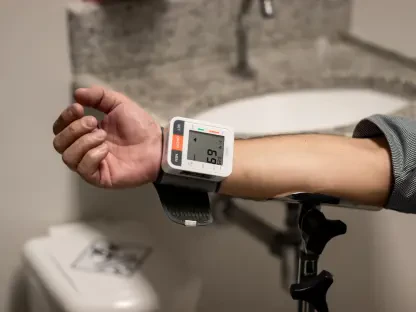
Beyond simple tracking, the implementation of medical-grade sensors and cloud-based analytics provides a seamless pipeline between home-based data collection and professional medical consultation. This connectivity is vital for reducing the burden on physical healthcare infrastructure while maintaining a high standard of diagnostic integrity through continuous rather than episodic data points. Clinicians often struggle with the snapshot nature of blood tests taken at a single point in the menstrual cycle, which can lead to misinterpretation of hormonal health. Ovum’s methodology provides a longitudinal view of health, offering a comprehensive narrative of a patient’s endocrine function over weeks or months. This level of detail allows for highly tailored treatment plans, whether it involves hormone replacement therapy or nutritional adjustments specifically calibrated to an individual’s unique metabolic profile. As the platform scales, the collective anonymized data will also contribute to a broader understanding of female physiology, potentially uncovering new correlations between hormonal health and long-term systemic wellness.
Strategic Implementation: Expanding Access and Economic Stability
The economic implications of neglecting gender-specific health are profound, with productivity losses and rising healthcare costs linked to mismanaged reproductive health conditions reaching billions annually. By providing tools that facilitate early detection and efficient management, this investment seeks to mitigate the financial strain on both individuals and the wider workforce. Market projections from 2026 to 2030 suggest that the adoption of personalized health platforms will lead to a substantial decrease in indirect medical costs by addressing symptoms before they require intensive intervention. For instance, the transition into menopause often occurs during peak professional years, yet the lack of supportive medical technology frequently leads to premature career exits or reduced work hours. Addressing these challenges through sophisticated digital health platforms allows for a more stable economic environment where health issues do not dictate professional longevity. The strategic allocation of the four million dollars will prioritize the development of features that help users navigate these life stages with minimal disruption.
The successful closure of this funding round signaled a pivotal shift in the prioritization of women’s healthcare within the venture capital and medical technology sectors. Stakeholders recognized that investing in gender-specific diagnostics was not just a moral imperative but a strategic necessity for building a resilient global health infrastructure. To capitalize on this momentum, healthcare providers should have started integrating longitudinal hormonal data into standard patient histories to replace the outdated reliance on sporadic testing. Furthermore, corporate wellness programs needed to adopt these advanced monitoring tools to support employees through various life stages, thereby fostering a more inclusive and productive work environment. Policy makers were encouraged to look toward these data-driven models as a template for reducing long-term public health expenditures through preventive care. By moving toward a model of continuous, personalized monitoring, the medical community took a decisive step toward eliminating the gender health gap. This strategy ensured that clinical interventions became more precise, transforming the standard of care for millions.