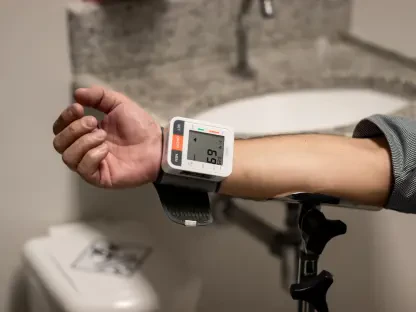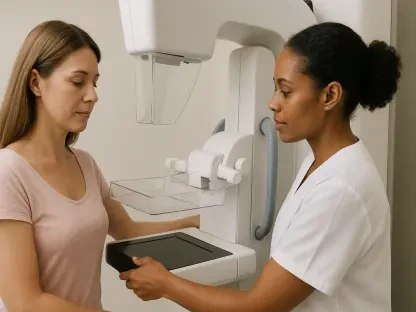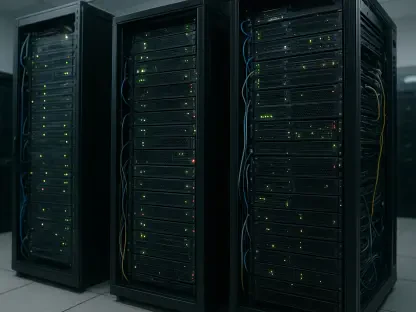

The rapid integration of sophisticated network-connected devices into the global healthcare ecosystem has fundamentally altered the paradigm of patient care by offering unprecedented levels of real-time monitoring and diagnostic precision. This shift toward the Internet of Medical Things (IoMT) is not merely an incremental upgrade but a revolutionary overhaul of clinical infrastructure that streamlines communication and optimizes resource allocation across hospital networks. As of 2026, the proliferation of these devices has reached a critical mass, where nearly every diagnostic tool, wearable sensor, and life-support system is linked to a centralized data hub. However, this dense web of connectivity creates an expansive and porous perimeter that professional cybercriminals are increasingly eager to exploit. The benefits of automated data collection and instant clinician alerts are undeniable, yet they come with the heavy responsibility of securing highly sensitive information against a rising tide of sophisticated digital threats. Achieving a balance between medical innovation and digital fortification remains the most pressing administrative hurdle for modern health systems, as the stakes involve not just financial solvency but the physical safety and privacy of millions of patients worldwide.
Enhancing Clinical Safety Through Connected Technology
Connected technology serves as a vital safeguard for healthcare professionals who operate in high-risk or isolated environments, effectively extending the security perimeter of the hospital beyond its physical walls. Lone worker systems, which integrate high-precision GPS tracking and wearable panic buttons, allow community health nurses and home care providers to perform their duties with the assurance that help is always within reach. These systems employ geofencing technology to establish virtual boundaries, automatically notifying security dispatchers if a worker deviates from a scheduled route or enters a known high-risk area without authorization. Automated check-in protocols further enhance this safety net by requiring staff to verify their status at set intervals, with any missed update triggering an immediate escalation process. By leveraging these real-time communication tools, healthcare organizations have significantly reduced emergency response times and provided their mobile workforce with a robust layer of physical protection. This technological intervention addresses the unique vulnerabilities of field-based medicine, ensuring that the safety of the provider is never compromised while they focus on delivering essential care to patients in remote or private settings.
Innovation in the IoMT space has similarly transformed the landscape of geriatric care, particularly in the critical area of fall detection and prevention for elderly populations. Traditional emergency response systems, which relied heavily on the patient’s ability to manually activate a pendant or wall-mounted button, often proved ineffective during severe medical events where the individual was incapacitated. Modern AI-driven environmental sensors and wearable accelerometers have eliminated this dependency by utilizing advanced algorithms to distinguish between normal movements and the specific signatures of a fall. These devices provide instantaneous alerts to nursing staff, allowing for immediate intervention that can prevent the long-term complications associated with delayed medical attention. Beyond reactive measures, predictive analytics derived from movement patterns now allow clinicians to identify changes in gait or balance before a fall actually occurs, enabling proactive physical therapy or environmental adjustments. This shift from manual to automated monitoring has fostered a greater sense of independence among senior patients while simultaneously providing families and caregivers with a higher degree of confidence in the safety of the assisted living environment.
Identifying the Risks to Patient Data and Infrastructure
The sheer volume of sensitive personal information flowing through medical networks has made the healthcare sector a primary target for international cybercrime syndicates seeking high-value assets. Unlike credit card numbers, which can be canceled and replaced, medical records contain immutable data points such as social security numbers, genetic information, and detailed physical histories that remain valuable on the dark web for years. For mid-sized clinics and regional hospital groups, the financial and reputational fallout from a single successful data breach can be catastrophic, leading to hefty regulatory fines and a permanent erosion of patient trust. Current trends from 2026 through the end of the decade suggest that the frequency of these attacks will only increase as hackers refine their methods for bypassing traditional perimeter defenses. Protecting this data requires more than just encryption; it demands a comprehensive strategy that accounts for how information is shared between disparate systems, ensuring that every touchpoint remains verified and secure. The loss of patient confidentiality is not just a legal matter but a fundamental betrayal of the provider-patient relationship, making data integrity a cornerstone of clinical ethics in the digital age.
Ransomware attacks represent a more direct threat to patient health by effectively paralyzing the operational capabilities of a hospital and forcing clinicians back to outdated manual processes. When critical systems are encrypted by malicious actors, access to digital imaging, laboratory results, and surgical schedules is instantly severed, often necessitating the diversion of emergency room traffic to other facilities. The danger is compounded by the phenomenon of lateral movement, where a hacker gains entry through a seemingly insignificant device, such as a smart thermostat or a connected refrigerator, and uses that initial foothold to traverse the network toward more critical servers. This connectivity means that a vulnerability in a non-medical IoT device can compromise the integrity of life-saving equipment like infusion pumps or ventilators. Consequently, the security of a modern healthcare facility is defined by its weakest link, requiring administrators to view every connected endpoint as a potential vector for a systemic shutdown. The disruption caused by these incidents extends far beyond the digital realm, as the resulting delays in diagnosis and treatment can have life-altering consequences for patients in urgent need of care.
Bridging the Resource Gap With Strategic Defenses
Small and medium-sized healthcare providers frequently find themselves in a precarious position, as they often lack the massive IT budgets and dedicated security operations centers available to large metropolitan hospital systems. This resource disparity makes them attractive targets for opportunistic attackers who perceive their defenses as less sophisticated or easier to penetrate. To counter this, smaller clinics must adopt a prioritized approach to cybersecurity that emphasizes fundamental technical controls such as multi-factor authentication, end-to-end data encryption, and aggressive software patching schedules. These basic measures serve as a vital deterrent against automated scanning tools and low-level phishing attempts that account for a significant portion of successful intrusions. Furthermore, segmenting the network to isolate medical devices from general office traffic can prevent an infection in the administrative department from spreading to clinical systems. By focusing on high-impact, low-cost strategies, resource-strapped organizations can build a resilient defense posture that protects patient data without requiring an unmanageable investment in specialized hardware or personnel.
Technology alone cannot solve the cybersecurity challenge, as the human element remains one of the most common vectors for unauthorized access within the healthcare environment. Healthcare workers, often operating under high levels of stress and time pressure, may inadvertently fall victim to sophisticated phishing schemes or social engineering tactics designed to harvest login credentials. Establishing a culture of security awareness is therefore essential, transforming every employee from a potential vulnerability into an active participant in the organization’s defense strategy. Regular training sessions that simulate real-world threats help staff recognize the subtle signs of a digital intrusion, while clear reporting protocols ensure that suspicious activity is flagged before it can cause widespread damage. This educational effort must be continuous and adaptable, reflecting the rapidly changing tactics used by cybercriminals to bypass human intuition. When security becomes a shared responsibility rather than an IT-specific task, the overall resilience of the organization improves, creating a more secure environment where the focus remains on delivering high-quality care without the constant fear of a digital compromise.
Leveraging strategic partnerships with managed service providers emerged as a definitive solution for organizations that aimed to bridge the technical expertise gap and maintain a secure clinical environment. By outsourcing the monitoring of complex network architectures to specialized security firms, healthcare providers gained access to professional-grade tools and around-the-clock surveillance that was previously out of reach. This transition allowed medical facilities to focus their internal resources on patient outcomes while the heavy lifting of digital defense was handled by experts in the field. The adoption of these collaborative models proved that even small clinics could achieve a high level of security by integrating standardized protocols and modern encryption standards into their daily workflows. Leaders in the industry recognized that the protection of the Internet of Medical Things was not an optional feature but a fundamental requirement for the safe delivery of healthcare services. Through the implementation of zero-trust architectures and rigorous staff training, the industry successfully mitigated the most severe risks associated with rapid digital transformation. These collective efforts ensured that the promise of connected medicine was realized without sacrificing the privacy or the physical safety of the patients who relied on these life-saving technologies.