
The rapid integration of continuous glucose monitoring systems into the daily routines of elite athletes and casual fitness enthusiasts marks a fundamental shift in how biometric data governs human performance. Originally conceived as a specialized medical intervention for managing chronic insulin-dependent conditions, these sensors have transitioned into a central pillar of the modern Medical Internet of Things ecosystem. By providing a constant stream of physiological data, these devices offer a granular look at metabolic health that was previously unattainable outside of clinical laboratory settings. This digital transformation represents a new frontier where biological signals are integrated into a real-time feedback loop. However, the reliance on such technology brings significant responsibility, as demonstrated by the experience of Alexander Zverev, whose sensor failure led to an incorrect insulin dose and a physical crisis during a professional match. As the boundary between medical necessity and performance optimization blurs, the reliability of these connected systems remains a critical concern for public safety.
The Technological Foundation and Market Growth
The Connectivity Ecosystem of Medical IoT
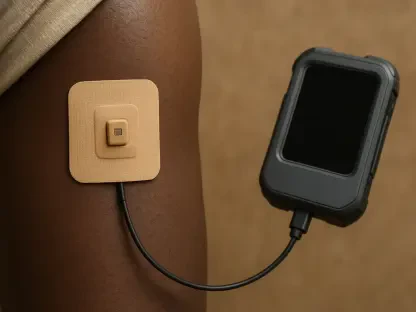
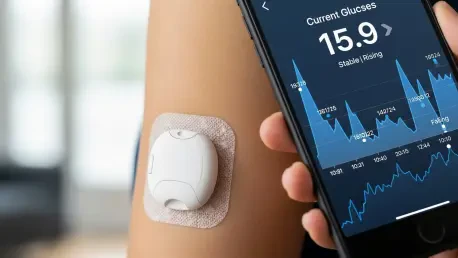
The technical architecture of contemporary glucose tracking depends on a sophisticated multi-layered connectivity model that converts raw biological signals into actionable intelligence for the end user. At the insertion point, a tiny filament sits just beneath the skin to measure glucose concentrations in the interstitial fluid, which serves as a reliable proxy for blood sugar levels. A wearable transmitter attached to the sensor then digitizes this biochemical data and broadcasts it via low-energy Bluetooth protocols to a primary receiver, typically a smartphone or a dedicated medical reader. This seamless transmission allows for the creation of comprehensive glucose profiles that track trends and fluctuations with minute-by-minute precision. The role of edge computing in this process is vital, as it enables the device to trigger immediate alerts if levels cross pre-defined safety thresholds, providing a critical safety net for individuals managing volatile glucose ranges during intense physical activity.
Beyond the immediate local connection, the true power of the Medical Internet of Things lies in its ability to aggregate and synchronize data across various cloud-based diagnostic platforms. Once the glucose information reaches the smartphone, it is encrypted and uploaded to secure servers where it can be accessed remotely by healthcare providers or analyzed by advanced machine learning algorithms. This centralized data repository allows clinicians to identify long-term patterns and adjust treatment plans without requiring the patient to visit a physical office for routine check-ups. Furthermore, the integration of these data streams with other wearable metrics, such as heart rate and sleep patterns, provides a holistic view of the user’s physiological state. For professional sports organizations, this connectivity allows coaching staffs to monitor the metabolic recovery of athletes in real-time, ensuring that training loads are optimized based on objective biological markers rather than subjective feedback.
Moving into the Public Health Mainstream
The democratization of continuous glucose monitoring is accelerating as the technology shifts from a niche tool for high-risk patients to a foundational element of public health infrastructure. This transition is most evident in recent policy changes across Europe, where France became the inaugural nation to provide full reimbursement for these sensors to a broader demographic, including those with non-insulin-dependent Type 2 diabetes. Such a move signals a significant recognition by government health agencies that proactive metabolic tracking can reduce the long-term economic burden associated with chronic disease complications. By providing citizens with the tools to manage their health autonomously, the state is effectively shifting the healthcare model from reactive treatment to preventative maintenance. This expansion is driving massive growth in the wearable market, encouraging manufacturers to scale production and lower costs, which in turn makes the technology more accessible to lower-income populations.
This mainstreaming of metabolic sensing is also reshaping the fitness and wellness industry, where non-diabetic consumers are increasingly using these devices to fine-tune their nutrition and lifestyle. By seeing the direct impact of specific foods and exercise routines on their blood sugar levels, individuals can make more informed choices that align with their long-term health goals. The presence of these sensors in the general public has normalized the use of medical-grade wearables, effectively erasing the stigma once associated with visible health monitoring equipment. As these devices become as ubiquitous as smartwatches, the vast amount of anonymized data collected from the general population provides researchers with unprecedented insights into the metabolic health of entire societies. This large-scale data collection is instrumental in developing new public health guidelines and identifying emerging trends in metabolic dysfunction before they reach a crisis point, ultimately leading to a more resilient community.
Overcoming Operational Hurdles and Expanding Capabilities
Technical Risks and the Multi-Analyte Evolution
Despite the rapid adoption and clear benefits of connected glucose tracking, several significant technical challenges remain that can undermine the safety and effectiveness of these devices. One of the primary issues is the inherent physiological lag between blood glucose levels and the interstitial fluid measurements taken by the sensors. During periods of rapid change, such as intense physical exertion or after a high-carb meal, the sensor reading may trail behind the actual blood sugar level by several minutes, potentially leading to incorrect treatment decisions. Furthermore, the phenomenon of calibration drift can cause a sensor to become less accurate over its lifespan, necessitating frequent cross-checks with traditional finger-stick tests. For individuals like professional athletes who depend on precise data during high-stakes competition, a single erroneous reading can lead to a dangerous over-administration of medication. Manufacturers are currently focusing on enhancing sensor sensitivity and data processing to minimize these discrepancies.
Building on the foundation of single-marker sensors, the industry is moving toward fully interoperable systems that monitor multiple physiological markers, such as lactate, simultaneously. These advanced biosensing platforms provide a far more nuanced view of an individual’s metabolic state, particularly for those who need to manage fatigue and recovery alongside energy availability. The next generation of medical wearables involves “closed-loop” systems that govern medication dosing through sophisticated artificial intelligence algorithms without human intervention. The success of these systems depends on the seamless communication between devices from different manufacturers, a goal that is being realized through industry-wide data standards. As these automated systems become more refined, they significantly reduce the cognitive load on individuals living with chronic conditions, allowing them to focus on their lives rather than their disease. This move toward multi-analyte sensing is expected to expand the utility of these devices into new clinical areas.
Pioneering the Future of Metabolic Autonomy
The widespread implementation of continuous glucose tracking established a robust framework for the broader expansion of the Medical Internet of Things across various health sectors. Stakeholders throughout the medical community recognized that the success of these devices depended on a combination of technical precision and user-centric design. Healthcare providers prioritized the integration of real-time biometric data into clinical workflows, which allowed for more personalized and effective patient care strategies. As the technology matured, manufacturers successfully addressed the early challenges related to sensor lag and data security, thereby fostering a greater degree of public trust in automated health systems. Looking forward, the focus must shift toward ensuring global equity in access to these life-enhancing tools to prevent a widening of health disparities. Continued collaboration between regulatory bodies and technology developers will be essential to maintain safety standards while encouraging the rapid innovation needed for metabolic health.