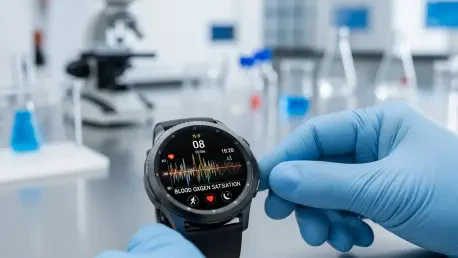

The rapid evolution of wearable technology has officially crossed the threshold from casual health monitoring into the rigorous and highly regulated domain of pharmaceutical research and development. For years, the commercial success of smartwatches was tied to step counts and heart rate graphs, but Samsung Electronics has recently redefined the utility of its Galaxy Watch by positioning it as a critical engine for clinical evidence. This pivot is not merely an incremental update to hardware; it represents a strategic alignment with Alcedis, a digital clinical research organization, to transform biometric signals into validated digital endpoints. By providing a platform where pharmaceutical companies can gather continuous, real-time physiological data, Samsung is attempting to solve one of the most persistent bottlenecks in modern medicine: the lack of high-fidelity, longitudinal data from patients in their natural environments. This initiative signals a move away from the consumer-only focus toward a sophisticated B2B model that integrates medical-grade sensors directly into the drug development pipeline.
Turning Biometric Sensors into Clinical Evidence
The historical divide between consumer wearables and medical devices was defined by the pharmaceutical industry’s skepticism regarding data consistency and scientific reproducibility. While many users enjoyed tracking their sleep or workouts, researchers found it difficult to utilize such data in formal clinical trials because it often lacked the standardization required by regulatory bodies like the FDA. Samsung and Alcedis addressed this challenge by developing a framework that converts raw sensor output into actionable clinical evidence. By ensuring that every data point—whether it relates to cardiovascular health or body composition—is captured through a validated methodology, they have created a system where a patient’s everyday vitals can serve as formal proof of a drug’s efficacy or a treatment’s safety. This transformation is essential for modernizing healthcare, as it allows for the collection of high-volume biometric signals that were previously dismissed as too noisy or unreliable for high-stakes medical decision-making.
To meet the stringent requirements of clinical research, the hardware within the Galaxy Watch utilizes sophisticated sensors that go far beyond basic pulse monitoring. The integration of Bioelectrical Impedance Analysis and advanced Electrodermal Activity sensors allows scientists to measure body composition and stress responses with an unprecedented level of medical-grade accuracy. Furthermore, specialized software developed for these devices now enables the detection of complex conditions such as sleep apnea and atrial fibrillation, moving the device from the realm of lifestyle accessories into the category of regulated diagnostic tools. These sensors provide a constant stream of information that can be used to track a participant’s physiological reaction to new medications in real time. This level of granularity is particularly valuable during Phase II and Phase III trials, where understanding subtle changes in body chemistry or cardiac rhythm can mean the difference between a successful drug launch and a costly failure.
Modernizing the Trial Process: Remote Monitoring Solutions
The operational success of this clinical research platform depends on a well-coordinated division of labor between technological innovation and regulatory management. While Samsung provides the hardware infrastructure and the data-collection backbone, Alcedis manages the complexities of the regulatory environment, participant recruitment, and stringent data privacy protocols. This synergy allows research organizations to bypass the necessity for expensive, custom-built medical hardware and instead leverage a commercially available device that participants are already comfortable wearing in their daily lives. By utilizing a familiar interface, the platform significantly lowers the barrier to entry for study participants, which in turn improves compliance and reduces the likelihood of dropout. This collaborative approach ensures that the vast amounts of data generated are not only high in volume but also securely handled according to international standards for clinical trial conduct. It effectively bridges the gap between the technology sector and the clinical world.
Transitioning from traditional, site-centric clinical trials toward a patient-centric model marks a fundamental shift in how human health is studied and understood. Historically, trials relied on occasional clinic visits that offered only a brief, potentially skewed snapshot of a patient’s health, often influenced by the stress of the clinical setting itself. The new platform captures longitudinal data in real-world settings, offering a holistic view of the human health lifecycle as it unfolds at home or in the workplace. By monitoring how participants respond to treatments in their natural environments, researchers can identify patterns and adverse effects that might remain hidden during a standard ten-minute doctor’s appointment. This transition potentially lowers the overall cost of drug development by reducing the need for physical research sites and administrative staff. Moreover, it allows for a more diverse range of participants to join studies, as the geographic limitations of living near a research center are largely mitigated by remote monitoring technology.
Strategic Growth: Redefining the Pharmaceutical Landscape
The entry of the Galaxy Watch into the clinical research space is a calculated strategic move to tap into the multi-billion-dollar pharmaceutical and biotechnology markets. By offering a platform that can drastically shorten trial durations and reduce the administrative overhead associated with manual data entry, Samsung positions itself as a formidable competitor to other tech giants venturing into health-tech. This diversification into enterprise-grade services provides a resilient revenue stream that is less dependent on the cyclical nature of consumer electronics sales. By leveraging the massive scale of its existing mobile ecosystem, Samsung can offer a turnkey solution for global healthcare providers and research firms. The ability to integrate wearable data directly into electronic data capture systems used by pharmaceutical companies creates a seamless workflow that adds significant value. This shift indicates that the future of wearable technology lies in its ability to solve high-stakes problems in global healthcare through specialized software and hardware ecosystems.
Widespread adoption of wearable-based research remains contingent on overcoming significant obstacles such as selection bias and robust data security. If study populations are restricted only to individuals who can afford or are familiar with specific smartwatches, the resulting findings might not accurately represent the broader general public, leading to skewed medical conclusions. For this collaboration between Samsung and Alcedis to truly redefine medical science, the data generated must prove to be as reliable and representative as traditional clinical assessments. Protecting participant privacy is another critical concern, as the continuous collection of physiological data requires the highest levels of encryption and ethical oversight. Researchers must remain vigilance in ensuring that the digital tools used are accessible to diverse populations to prevent deepening existing health disparities. Addressing these concerns is vital for ensuring that regulators and doctors alike can fully trust the devices on our wrists as legitimate sources of clinical evidence for the next generation of medicine.
Establishing New Standards: Industry Impact and Implementation
Organizations recognized that the successful integration of wearables into clinical trials required a proactive shift in how digital health data was managed and validated. During the initial implementation phases, specialized teams focused on aligning wearable sensor outputs with the specific regulatory requirements of international health authorities. This involved creating rigorous calibration protocols that ensured data from a commercial smartwatch could be treated with the same scientific weight as data from specialized laboratory equipment. Furthermore, pharmaceutical companies began to prioritize the use of these devices for collecting real-world evidence, which allowed for a more comprehensive understanding of patient experiences outside of controlled clinical environments. This standardized approach paved the way for more efficient drug approval processes and provided a clearer picture of how treatments performed across varied demographics. These implementations successfully demonstrated that consumer hardware could meet the highest standards of scientific integrity when supported by the right software and regulatory frameworks.
The medical community ultimately established comprehensive guidelines that treated wearable-derived digital endpoints with the same scrutiny as traditional tests by 2026. This paradigm shift was supported by the successful deployment of the Samsung and Alcedis platform, which proved that longitudinal biometric monitoring was both feasible and highly valuable for patient outcomes. Researchers utilized the vast datasets generated to refine treatment protocols and identify early warning signs of complications that were previously undetectable. The transition from simple fitness tracking to complex clinical monitoring was finalized as more pharmaceutical firms adopted this model for their global study portfolios. Industry leaders focused on ensuring that data privacy remained the top priority, implementing decentralized storage solutions that protected sensitive patient information. Moving forward, the strategy emphasized the importance of cross-industry collaboration between technology manufacturers and healthcare professionals. This period confirmed that the synergy between high-tech hardware and clinical expertise was the most viable path for modernizing global healthcare systems and improving patient results.