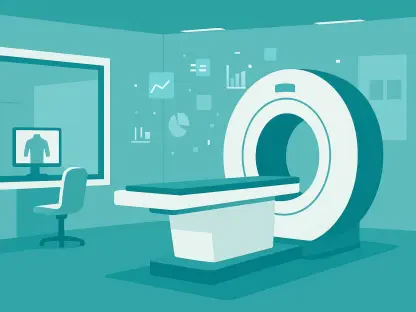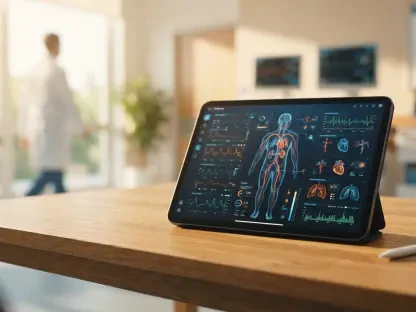

The integration of sophisticated internet-connected hardware into the clinical environment has fundamentally altered the paradigm of patient care, moving beyond mere convenience to become a critical component of life-sustaining treatment protocols. Today, a modern hospital operates as a sprawling ecosystem of interconnected devices, ranging from programmable insulin pumps and wireless pacemakers to advanced robotic surgical assistants and large-scale diagnostic imaging arrays. While these technological advancements have drastically improved diagnostic accuracy and surgical precision, they have simultaneously introduced a new, invisible vector of vulnerability that directly impacts the physical safety of patients. The traditional definition of medical safety, which once focused primarily on sterilization and medication errors, has now expanded to encompass the digital integrity of the hardware itself. Security is no longer just an IT concern; it is a clinical imperative that dictates whether a patient survives a routine procedure or suffers from a remote system failure.
The Critical Intersection: Hardware Integrity and Clinical Outcomes
The blurring lines between cybersecurity and physical harm are most evident in the high-stakes environment of the intensive care unit where telemetry monitors and ventilators are increasingly reliant on networked software. When these devices are targeted by malicious actors or suffer from unpatched vulnerabilities, the resulting downtime is not merely a bureaucratic inconvenience but a direct threat to human life. For instance, the deployment of legacy systems that lack modern encryption standards provides an easy entry point for ransomware that can lock clinicians out of vital patient data during a crisis. This shift necessitates a fundamental change in how healthcare administrators perceive risk, moving away from a reactive model toward a proactive posture that treats every connected device as a potential point of failure. By treating device security as a core tenet of patient safety, hospitals can begin to mitigate the risks associated with the increasing complexity of medical IoT ecosystems, ensuring that the technology serves the patient rather than becoming a liability.
Standardized protocols for vulnerability disclosure and patching have become the bedrock of maintaining clinical continuity in an era where automated attacks can spread across hospital networks in milliseconds. Unlike a standard office computer, a medical device such as an automated medication dispenser cannot be simply taken offline for an unscheduled update without risking immediate harm to patients who depend on scheduled dosing. This operational reality requires a more nuanced approach to security, involving the collaboration of software engineers, biomedical technicians, and clinical staff to schedule maintenance windows that do not compromise care delivery. Manufacturers are now being held to higher standards of accountability, with regulatory bodies requiring secure-by-design principles that include robust authentication and the ability to operate in a degraded state during a network outage. This systemic evolution ensures that even if a network is breached, the individual devices maintain their primary life-saving functions through compartmentalization and redundant safety features.
Regulatory Evolution: The Mandate for Secure Interoperability
The legislative landscape has rapidly adapted to the realities of modern healthcare, with the introduction of stringent requirements for the software bill of materials becoming a standard for all new medical devices entering the market. By providing a transparent list of every software component within a device, healthcare providers can now identify specific vulnerabilities faster than ever before, allowing for targeted remediation rather than blind panic during a zero-day event. This level of transparency is essential for managing the supply chain risks associated with third-party libraries and open-source components that are often embedded in proprietary medical software. Furthermore, government mandates now require that security updates be provided for the entire lifecycle of the device, preventing the common problem of abandoned hardware that remains in use despite being riddled with known security flaws. This regulatory shift forces a long-term perspective on device maintenance, ensuring that patient safety remains the priority throughout the multi-year lifespan of equipment.
The transition toward a unified security framework required healthcare institutions to adopt comprehensive risk management strategies that integrated technical defenses with clinical workflows. Organizations that successfully navigated this change implemented continuous monitoring solutions that prioritized the detection of anomalous behavior in medical devices rather than relying solely on perimeter defenses. They established dedicated cross-functional teams that bridged the gap between information technology and biomedical engineering, ensuring that security decisions were informed by real-world clinical needs. These leaders also prioritized the training of medical staff to recognize early signs of device tampering or malfunction, turning every nurse and physician into a frontline defender of the digital ecosystem. By fostering a culture where security was viewed as an extension of the clinical duty of care, the industry moved toward a landscape where patients could trust their life-saving technology. The subsequent focus for providers centered on the prioritization of automated patching to insulate care systems.