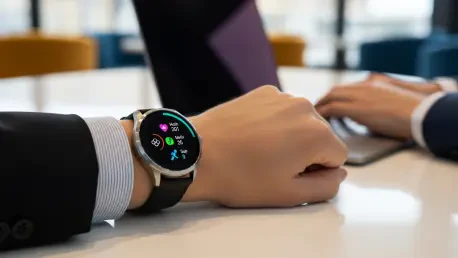

The persistent conflict between high-performance health monitoring and the aesthetic demands of sophisticated personal style has long left a void in the wearable technology market. While traditional fitness trackers offer robust data, their utilitarian silicone bands and glowing digital screens

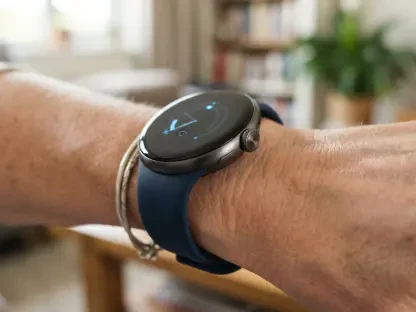
The modern landscape of wearable technology has reached a tipping point where the average consumer feels overwhelmed by the constant barrage of pings, buzzes, and glowing screens emanating from their own wrists. For years, the industry pushed for more complexity, effectively strapping miniature

Managing a complex condition like type 2 diabetes often requires more than just periodic office visits, especially when social determinants of health create barriers for low-income populations navigating a fee-for-service healthcare system. In this environment, the pressure on patients to maintain
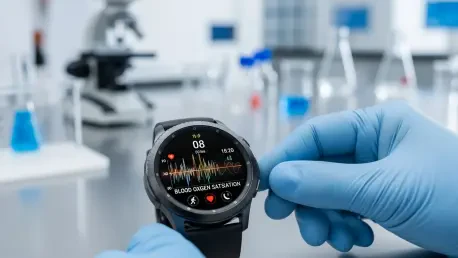
The rapid evolution of wearable technology has officially crossed the threshold from casual health monitoring into the rigorous and highly regulated domain of pharmaceutical research and development. For years, the commercial success of smartwatches was tied to step counts and heart rate graphs,

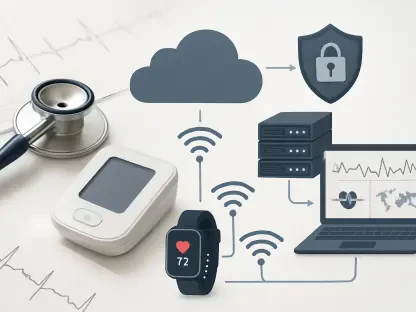
The convergence of advanced medical diagnostics and ubiquitous wireless connectivity has fundamentally redefined the modern healthcare landscape, turning traditional clinics into high-speed digital ecosystems. This shift represents a transition from reactive, episodic treatment toward a proactive

The modern workforce and constant connectivity have pushed human physiology to its limits, creating a global health crisis where nearly one-third of the population suffers from chronic sleep deprivation. To address this mounting challenge, Monash University and Brigham and Women’s Hospital have