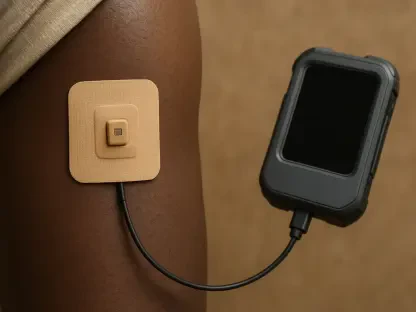

The contemporary healthcare landscape is undergoing a profound metamorphosis as medical services transition from centralized clinical facilities directly into the palms of patients via sophisticated mobile devices. This decentralization is not merely a matter of convenience but a fundamental shift in how health data is generated, monitored, and utilized to improve clinical outcomes across the globe. By leveraging the ubiquity of smartphones and the precision of wearable sensors, the mobile health (mHealth) sector has created a bridge between everyday life and professional medical oversight. This digital integration allows for a proactive approach to wellness, where chronic conditions are managed in real-time and preventive measures are informed by continuous data streams rather than occasional office visits. As this ecosystem matures, it is redefining the traditional doctor-patient relationship, fostering a collaborative environment where individuals are empowered with actionable insights about their own physiological well-being.
Market Valuation and Growth Patterns
Financial Trajectory: The Path to Maturity
As the calendar turns to 2026, the global mHealth market sits at a valuation of approximately $2.66 billion, demonstrating a steady and predictable climb from its $2.61 billion baseline in the previous year. This growth is anticipated to continue with remarkable consistency, reaching $2.71 billion in 2027 and ultimately ascending to a peak of $3.18 billion by 2035. This projected annual growth rate of 1.99% reflects a market that has moved past the initial era of experimental disruption and into a phase characterized by long-term institutional stability and integration. Rather than experiencing the volatile spikes often seen in emerging tech sectors, mHealth is now benefiting from sustained capital infusion and the realization of its utility within traditional medical frameworks. This financial resilience is supported by a broader economic shift toward value-based care, where digital tools are recognized for their ability to reduce long-term hospital costs and improve the overall efficiency of healthcare delivery systems worldwide.
Institutional adoption has become the primary engine driving this financial expansion, with over 65% of healthcare organizations now incorporating mobile-based tools into their standard engagement protocols. These entities are no longer viewing mobile applications as peripheral additions but as essential components of their clinical infrastructure. This systemic shift is mirrored by a significant change in consumer behavior, as approximately 60% of smartphone users globally now actively engage with at least one health-related application. Furthermore, the adoption of remote patient monitoring tools by 58% of healthcare providers illustrates a deep commitment to managing chronic diseases outside of the hospital environment. The synergy between provider capabilities and patient preferences is evident in the fact that 55% of individuals now prefer using mobile platforms for administrative medical tasks, ranging from appointment scheduling to accessing lab results. This alignment of interests ensures that the market’s upward trajectory remains grounded in practical, everyday utility and widespread professional endorsement.
Adoption Dynamics: Integrating Digital Wellness
The integration of mHealth solutions into daily life is being accelerated by a newfound emphasis on preventive healthcare and the widespread availability of high-speed mobile internet. As the infrastructure for 5G and satellite-based connectivity expands, even individuals in historically underserved or remote areas are gaining access to high-quality medical consultations and diagnostic tools. This democratization of care is essential for the market’s expansion, as it opens up vast new demographics that were previously excluded from the digital health revolution. In developed urban centers and developing rural regions alike, the smartphone has become a primary health terminal, allowing for the immediate transmission of vital signs and the reception of personalized medical advice. This constant connectivity reduces the friction between identifying a health concern and receiving professional guidance, which is a critical factor in improving public health outcomes and maintaining the momentum of market growth through the end of the decade.
The role of the patient has evolved from a passive recipient of care to an active participant who is responsible for generating the data that informs their treatment plans. This shift is particularly visible in the management of non-communicable diseases, such as diabetes and hypertension, where daily monitoring is crucial for avoiding emergency interventions. The availability of user-friendly interfaces and automated data logging has lowered the barrier to entry for many older patients who might have previously struggled with complex medical technology. As these digital solutions become more intuitive, the rate of adherence to prescribed health regimens increases, providing clinical evidence of the effectiveness of mHealth platforms. This proof of concept is vital for securing continued support from insurance providers and government health agencies, who are increasingly looking for ways to incentivize healthy behaviors through digital engagement and real-time health tracking.
Core Market Dynamics
Expansion Drivers: The Impact of Wearable Technology
The proliferation of wearable technology, including smartwatches, fitness trackers, and specialized medical patches, serves as a primary driver for the expansion of the mHealth sector. These devices provide a continuous stream of physiological data that was previously only available through periodic and often expensive clinical testing. Currently, approximately 68% of individuals who own wearable devices actively sync their health data with mobile applications, creating a robust dataset that can be used for both personal wellness and professional medical analysis. The ability to monitor heart rate variability, blood oxygen levels, and sleep patterns in a non-invasive manner has made health tracking a seamless part of the user’s daily routine. This constant monitoring allows for the early detection of anomalies, enabling medical professionals to intervene before a minor issue escalates into a serious medical emergency, thereby demonstrating the life-saving potential of integrated mHealth solutions.
Beyond the hardware itself, the expansion of the market is fueled by the universal penetration of smartphones, which now exceeds 85% in developed nations and is rising rapidly in emerging economies. The smartphone acts as the central hub for the entire mHealth ecosystem, processing data from wearables, providing a platform for telemedicine, and storing essential medical records. This near-ubiquity of the necessary hardware means that the cost of entry for new mHealth services is relatively low, as providers do not need to supply proprietary devices to their patients. Instead, they can leverage the technology that people already carry in their pockets. This accessibility is crucial for reaching diverse populations and ensuring that digital health solutions are scalable across different socioeconomic backgrounds. As mobile technology continues to evolve, the capabilities of these devices will only increase, further solidifying their role as the primary interface for modern healthcare delivery.
Market Restraints: Privacy and Interoperability Challenges
Despite the impressive growth of the sector, the mHealth market faces significant hurdles related to data privacy and the security of sensitive personal information. Because these applications handle a vast amount of protected health information, they have become high-value targets for cybercriminals seeking to exploit vulnerabilities in digital security. Research indicates that 46% of healthcare organizations now list data protection as their single most important priority, reflecting the gravity of the threat landscape. The fear of a data breach is a major deterrent for many potential users, with approximately 39% of patients expressing hesitation about sharing their medical history or real-time health data through mobile platforms. For the market to reach its full potential, developers must implement more robust encryption and authentication protocols to build trust with a skeptical public and ensure compliance with increasingly strict global data protection regulations.
Another substantial restraint involves the technical challenges associated with interoperability and the fragmentation of the digital health landscape. Currently, many mHealth applications exist in “digital silos,” where the data they collect cannot be easily shared with hospital electronic health record systems or insurance databases. Nearly half of all healthcare organizations report significant difficulties in synchronizing data across different platforms, which limits the clinical utility of the information gathered by mobile apps. When a physician cannot easily view the data collected by a patient’s wearable device during a consultation, the value of that data is greatly diminished. Furthermore, the varying regulatory requirements in different countries create a complex legal environment for developers, often delaying the release of new products and increasing the cost of compliance. Overcoming these barriers requires the adoption of universal data standards and a more collaborative approach to software development across the entire healthcare industry.
Technological Megatrends
Innovation: The Rise of Artificial Intelligence
The integration of Artificial Intelligence (AI) is currently the most transformative trend within the mHealth space, with roughly 67% of new market offerings incorporating some form of AI-driven functionality. AI algorithms are being used to process the massive volumes of data generated by mobile apps and wearables, identifying patterns that would be impossible for human observers to detect. For instance, AI can analyze changes in a user’s gait or heart rate to predict the onset of certain neurological or cardiovascular conditions long before symptoms become apparent. Current research suggests that AI-based health assessments can be up to 32% faster and significantly more accurate than traditional digital methods, allowing for more efficient triage and personalized care. This capability transforms the mHealth app from a simple data logger into a sophisticated diagnostic tool that provides proactive guidance rather than just reactive tracking.
The move toward AI integration also includes the development of virtual health assistants that can interact with users in natural language, providing immediate answers to health-related queries and medication reminders. These AI assistants help bridge the gap between doctor visits by providing continuous support and education, which is particularly beneficial for patients managing complex chronic conditions. By tailoring their advice to an individual’s specific health profile and historical data, these tools increase user engagement and foster a sense of personalized care. Furthermore, AI is being utilized to enhance the security of mHealth platforms through behavioral biometrics, which can detect unauthorized access by analyzing how a user interacts with their device. As AI technology continues to advance, its ability to provide real-time, high-accuracy medical insights will become the standard by which all successful mHealth solutions are measured.
Connectivity: Cloud Infrastructure and Real-Time Data
Cloud computing has become the indispensable backbone of the mHealth industry, with over 62% of current solutions relying on cloud-based architectures to manage and store patient data. This shift away from local storage allows for the seamless, real-time sharing of information between patients and their healthcare providers, regardless of their physical location. When a patient’s vitals are uploaded to a secure cloud server, their doctor can receive immediate alerts if any parameters fall outside of a safe range, enabling rapid medical intervention. This level of connectivity is the foundational element of successful telemedicine and remote patient monitoring programs, which have become central to the modern healthcare experience. The cloud also provides the scalability necessary for mHealth platforms to handle the data of millions of users simultaneously, ensuring that the system remains responsive as adoption rates continue to climb globally.
To further improve the user experience and protect sensitive information, approximately 45% of new mHealth platforms are introducing advanced biometric authentication methods, such as facial recognition and fingerprint scanning. These features ensure that only the authorized user can access their medical records, addressing one of the primary privacy concerns held by the public. Additionally, the customization of mobile health platforms is becoming more sophisticated, with nearly half of all apps offering features that adapt to a user’s specific health needs and goals. This level of personalization has been shown to increase user interaction by nearly 38%, as patients are more likely to stick with a program that feels tailored to their unique circumstances. As 5G technology becomes more widespread, the speed and reliability of these cloud-connected services will improve even further, allowing for the transmission of high-definition medical imagery and real-time surgical consultations through mobile devices.
Segmentation Analysis
Solutions: The Dominance of Apps and Services
The mHealth market is structurally divided into two primary segments: mobile applications and digital services, with apps currently commanding approximately 64.5% of the total market value. This dominance is driven by the sheer volume of fitness, nutrition, and wellness applications that have become a staple of the modern smartphone experience. Consumers are increasingly using these apps to take charge of their personal well-being, tracking everything from caloric intake to meditation minutes. However, the app segment is also seeing significant growth in the clinical space, as specialized tools for managing chronic diseases like diabetes and asthma become more prevalent. These clinical apps often integrate with medical hardware to provide precise data that can be used for professional diagnosis and treatment adjustments. The ease of downloading an app makes it the most accessible entry point for most users, ensuring its continued status as the market’s largest segment.
While the services segment accounts for a smaller 35.5% of the market revenue, its importance to the overall healthcare system cannot be overstated. This category includes essential clinical offerings such as telemedicine, virtual consultations, and remote professional monitoring. These services provide the human element of healthcare, connecting patients with licensed medical professionals who can interpret the data collected by apps and provide expert guidance. As healthcare systems look for ways to reduce the burden on physical clinics and hospitals, the demand for virtual services is expected to rise sharply. The growth in this segment is also supported by changes in reimbursement policies, as more insurance providers begin to cover virtual visits at the same rate as in-person appointments. The synergy between high-tech apps and high-touch services is what makes the mHealth market a comprehensive solution for modern medical needs, balancing automated data collection with professional medical expertise.
End-Users: Patients, Providers, and Payers
Patients represent the largest group of end-users in the mHealth ecosystem, currently accounting for 33% of the total market share. Their motivation is primarily driven by a desire for convenience, greater autonomy over their health, and the practical need for tools that help manage daily medical tasks, such as medication adherence. By providing patients with immediate access to their own health data, mHealth solutions empower individuals to make more informed lifestyle choices and communicate more effectively with their doctors. This increased engagement leads to better health outcomes and a higher level of satisfaction with the healthcare process. The shift toward patient-centered care is a defining characteristic of the 2026 medical landscape, where the individual is no longer just a subject of medical observation but a proactive manager of their own biological information.
Hospitals and physicians are also critical end-users, utilizing mHealth tools to optimize clinical workflows and improve post-discharge patient engagement. For hospital administrators, mobile platforms offer a way to streamline the discharge process and monitor patients remotely to prevent readmission, which is a key metric for financial and operational success. Physicians use these tools for digital prescriptions, real-time treatment monitoring, and accessing patient records on the go, which significantly improves their efficiency and allows them to spend more quality time with their patients. Insurance companies, or payers, are the third major group in this ecosystem, using mHealth data to process claims more efficiently and offer wellness incentives to their members. By encouraging healthy behaviors through mobile apps, insurance providers can reduce the long-term costs of chronic disease management, making mHealth a valuable tool for financial sustainability in the broader healthcare industry.
Regional Outlook
High-Performing Regions: North America and Europe
North America currently maintains its position as the global leader in the mHealth market, holding a commanding 39% share of the total valuation. This leadership is sustained by a combination of factors, including a highly advanced healthcare infrastructure, nearly universal smartphone ownership, and the presence of the world’s leading technology innovators. In the United States, 72% of healthcare providers now utilize mobile tools as a primary method for communicating with their patients and managing clinical data. The region’s focus on integrating digital health into the mainstream medical system has set a global standard for how these technologies can be used to improve efficiency and patient outcomes. Furthermore, the availability of significant venture capital and a favorable regulatory environment for digital health startups have made North America a hotbed for the latest innovations in mHealth hardware and software.
Europe follows closely with a 28% market share, driven by strong government support and a regional focus on addressing the healthcare needs of an aging population. Many European nations have implemented national digital health strategies that encourage the use of mHealth for preventive care and the management of chronic conditions. The European market is also characterized by a very strict regulatory framework, particularly concerning data privacy and the security of patient information. While these regulations, such as the General Data Protection Regulation, require developers to be exceptionally diligent, they also ensure a high level of consumer trust in digital health products. This emphasis on security and ethical data usage has made European mHealth solutions highly respected on the global stage. As the region continues to invest in cross-border health data exchange, the utility of mHealth tools for European citizens will only increase, further solidifying its position as a key market player.
High-Growth Potential: Asia-Pacific and Emerging Markets
The Asia-Pacific region is recognized as the fastest-growing area in the global mHealth landscape, currently holding a 24% share and expanding at an impressive rate. This growth is fueled by the massive and rapid adoption of smartphones in countries like China and India, where mobile technology is often the primary way people access the internet and essential services. In many parts of this region, mobile health solutions are not just a convenience but a necessity, providing a critical link to medical care for millions of people living in remote or rural areas far from physical hospitals. Governments in Asia are actively promoting digital health as a way to bridge the healthcare gap and improve public health outcomes on a large scale. This massive potential for scale makes the Asia-Pacific region a primary focus for international investors and technology companies looking to expand their global footprint.
The Middle East and Africa, while currently holding a smaller 9% share of the market, are making significant strides in utilizing mobile technology to overcome infrastructure challenges. In these regions, mHealth is being used to deliver essential medical advice, track the spread of infectious diseases, and provide maternal and child health support in areas with limited medical resources. The focus in these markets is often on basic accessibility and the delivery of life-saving information via simple mobile platforms. As mobile connectivity continues to improve across the African continent and the Middle East, the adoption of more sophisticated mHealth solutions is expected to rise. This emphasis on using technology to solve fundamental healthcare access problems demonstrates the versatility of mHealth and its ability to adapt to the unique needs of different global populations, ensuring that the benefits of the digital health revolution are felt worldwide.
Competitive Landscape
Market Leaders: Consumer Tech and Clinical Giants
The competitive environment of the mHealth market is characterized by a dynamic interplay between established technology giants and traditional medical device companies, each bringing unique strengths to the table. Apple remains a dominant force in the consumer-facing segment, holding approximately 15% of the global market share. The company’s success is rooted in the seamless integration of the Apple Watch with its comprehensive Health app ecosystem, which allows users to track a wide array of metrics including heart rhythm, blood oxygen, and physical activity. By creating a user experience that is both intuitive and aesthetically pleasing, Apple has succeeded in making health monitoring a mainstream lifestyle choice for millions. Their ongoing collaboration with clinical researchers and healthcare providers further validates the data collected by their devices, moving the Apple Watch from a simple gadget to a recognized tool for medical observation and health research.
In contrast, Philips represents the clinical side of the market leadership, holding a 12% share with a focus on professional-grade remote monitoring and digital care solutions. Philips specializes in integrating mHealth technology directly into hospital systems, providing physicians with reliable, high-fidelity data that can be used for critical clinical decision-making. Their solutions are designed to support the entire continuum of care, from the hospital bedside to the patient’s home, ensuring that medical professionals have a consistent view of a patient’s status. Other significant players, such as Medtronic and Bayer, contribute specialized medical expertise and hardware, while companies like Cerner Corporation provide the essential software infrastructure for electronic health record integration. This diverse competitive landscape ensures a constant flow of innovation, as consumer-focused tech companies and clinically-oriented medical firms push each other to develop more accurate, secure, and user-friendly mHealth solutions.
Supporting Infrastructure: The Role of Specialized Providers
Beyond the high-profile manufacturers of devices and apps, a vast network of specialized providers forms the backbone of the mHealth ecosystem, ensuring that the hardware and software can function effectively. These companies focus on the critical areas of connectivity, data storage, and cybersecurity, which are essential for the operation of any digital health platform. For instance, providers of 5G and cloud infrastructure are vital for maintaining the high-speed, reliable connections required for real-time patient monitoring and high-definition telemedicine. Without these foundational technologies, even the most advanced mHealth app would be unable to provide timely medical insights. These infrastructure players are often the unsung heroes of the industry, providing the scalability and security that allow the market to expand globally while protecting the integrity of sensitive patient data.
Furthermore, the role of developers who specialize in interoperability and data standards is becoming increasingly important as the industry moves toward a more integrated model. These specialized firms work to ensure that data can flow seamlessly between different apps, wearables, and hospital systems, breaking down the digital silos that have historically hampered the utility of mHealth. By implementing standardized protocols such as FHIR (Fast Healthcare Interoperability Resources), these players are creating a more unified and efficient digital health landscape. Their work is essential for the long-term success of the market, as it allows for the creation of a comprehensive digital health record that follows the patient wherever they go. This level of coordination across the entire industry is what will ultimately transform mHealth from a collection of individual tools into a cohesive and life-saving medical infrastructure.
Investment and Future Scope
Strategic Priorities: Funding the Next Generation of Care
The mHealth sector continues to attract significant investment, with approximately 62% of healthcare organizations reporting plans to increase their spending on mobile technology in the coming years. Investors are currently prioritizing companies that demonstrate a strong focus on Artificial Intelligence and predictive analytics, recognizing that the true value of mHealth lies in its ability to turn raw data into actionable medical intelligence. There is also a substantial financial commitment to enhancing cybersecurity measures, as both providers and patients demand a higher level of protection for their digital medical records. Funding is being directed toward the development of advanced encryption techniques and decentralized data storage solutions, such as blockchain, which could offer a more secure way to manage health information. These strategic investments are essential for building the trust and technological capacity needed to sustain the market’s growth through the next decade.
Cloud infrastructure also remains a top priority for strategic investment, as it provides the essential scalability for global health platforms. Approximately 60% of new mHealth development projects are designed as cloud-native applications, reflecting the industry’s move away from localized data management. This investment in the cloud ensures that health services can be deployed quickly and efficiently across different regions, providing a consistent experience for users regardless of their location. Additionally, there is a growing interest in funding startups that focus on the “Internet of Medical Things” (IoMT), which involves connecting a wide range of medical devices—from infusion pumps to specialized diagnostic sensors—to the mobile health ecosystem. By creating a more connected and data-rich environment, these investments are laying the groundwork for a future where medical care is more precise, personalized, and proactive than ever before.
Future Horizon: Toward Global Healthcare Integration
As the industry advanced toward the 2035 milestone, the integration of mHealth capabilities into every aspect of medical practice became an established global standard. The analysis of this sector showed that the most successful implementations were those that focused on seamless interoperability and the use of non-invasive biometric tracking technology. Stakeholders who invested in robust cloud architectures and AI-driven diagnostic tools found themselves at the forefront of a more efficient and patient-centric healthcare system. The transition from reactive treatment to proactive wellness management was largely made possible by the continuous data streams provided by mobile devices, which allowed for earlier interventions and more personalized health strategies. By 2035, the distinction between “mobile health” and “healthcare” had largely vanished, as digital tools became the primary interface for all medical interactions.
To maintain this momentum and ensure the long-term viability of the digital health ecosystem, the industry moved toward a unified global framework for health data exchange. This shift required a coordinated effort between technology developers, medical professionals, and government regulators to establish universal standards for data privacy and technical compatibility. Actionable steps were taken to move beyond localized pilots and toward national and international digital health infrastructures that supported the free flow of information while protecting individual rights. Future considerations for the market involve the continued refinement of voice-enabled medical assistants and the development of even more sophisticated sensors capable of monitoring complex internal biomarkers without the need for needles. These innovations ensured that healthcare remained integrated into the fabric of everyday life, making professional medical support more accessible and effective for the global population.