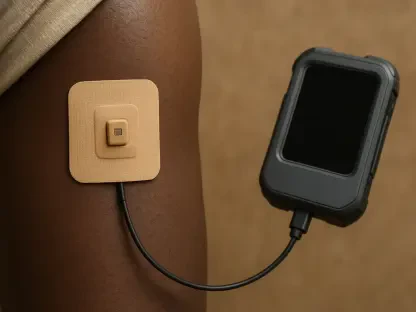

The contemporary healthcare landscape is defined by a paradoxical disconnect where millions of sophisticated sensors on wrists and fingers capture granular physiological data that remains largely invisible to the medical professionals responsible for patient care. While high-end consumer wearables from manufacturers like Apple, Garmin, and Samsung have reached a level of diagnostic precision once reserved for laboratory settings, the clinical pipeline for this information remains severely constricted. This bottleneck results from a complex interplay between legacy health systems and the rapid pace of electronics innovation. Hospitals often lack the direct ingestion mechanisms required to handle continuous streams of biometric data, preferring instead the discrete, episodic measurements taken during in-person visits. As the adoption of these devices accelerates from 2026 to 2028, the gap between what a patient knows about their body and what a doctor can verify becomes a key friction point in modern medicine.
Technical Fragmentation: The Burden of Non-Standardized Data
The technical architecture of most healthcare systems remains rooted in centralized electronic health record platforms, which were never designed to manage the high-velocity data generated by remote monitoring tools. Consequently, a massive interoperability gap persists because consumer-facing companies use proprietary formats that do not always align with clinical standards such as HL7 FHIR. When a patient attempts to share a month of heart rate variability data, the information often arrives as an unmanageable PDF or a raw data dump that lacks the metadata necessary for clinical interpretation. Without a universal translator or a unified API bridge, clinicians are forced to manually review charts rather than relying on automated trends. This lack of standardization prevents the movement of data from a user’s wrist to a physician’s dashboard, ensuring that potentially life-saving insights remain trapped within siloed mobile applications that are disconnected from official medical records.
Beyond the infrastructure issues, the medical community continues to grapple with varying levels of validation across the vast spectrum of wearable technologies currently on the market. While some devices have obtained FDA clearance for specific functions like atrial fibrillation detection, many others operate as general wellness gadgets with no regulatory oversight. This creates a trust deficit where doctors are hesitant to make diagnostic decisions based on data that may be subject to sensor inaccuracies or motion artifacts. Furthermore, the volume of data often obscures meaningful physiological changes, as practitioners find it difficult to distinguish between benign anomalies and true medical emergencies. Addressing this required the development of robust algorithms that could verify signal integrity before it reached the clinician. Without these safeguards, the influx of raw data threatened to compromise the quality of care by introducing unnecessary noise into the decision-making process.
Operational Resistance: Legal Liability and Workflow Evolution
From an operational perspective, the primary deterrent for healthcare providers is the overwhelming threat of information overload and the subsequent acceleration of physician burnout. Doctors are already managing massive patient loads, and the prospect of monitoring continuous data streams from hundreds of individuals around the clock is practically impossible without additional staff. There is also a looming legal concern regarding liability: if a wearable device records a critical cardiac event at midnight and the physician does not review it until the next day, the legal responsibility for that delay remains dangerously ill-defined. Most healthcare organizations have yet to establish clear protocols for who is responsible for real-time monitoring or how to reimburse providers for time spent analyzing this information. Until specific billing codes are established to account for remote data analysis, medical practices will continue to view wearable integration as a high-risk endeavor.
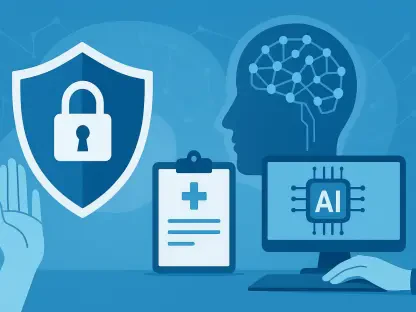
The path toward successful clinical integration relied on the adoption of intermediary AI layers that distilled massive datasets into actionable summaries for busy medical professionals. These systems prioritized clinically significant alerts while filtering out baseline noise, which allowed physicians to focus on intervention rather than data management. Healthcare organizations that thrived during this transition established “bring your own device” policies that clearly outlined which brands met hospital-grade accuracy standards. Furthermore, the establishment of new reimbursement frameworks ensured that remote monitoring was a financially viable component of preventative care. Legal teams collaborated to draft informed consent agreements that clarified the limits of continuous monitoring, protecting doctors from unrealistic expectations of constant surveillance. By shifting the focus from raw data collection to meaningful clinical insights, the industry finally bridged the gap between consumer technology and professional medicine.