
Silent cerebrovascular conditions often present a paradox where the damage is done before the first symptoms are even recognized by the patient or their family. This medical reality has long forced healthcare systems into a reactive posture, treating strokes only after they occur rather than intercepting the underlying biological decline. However, researchers at the Korea Advanced Institute of Science and Technology have introduced a paradigm shift by utilizing artificial intelligence to analyze data from home sensors. This technological advancement allows for the identification of subtle physiological and behavioral shifts that precede a major medical event. By capturing these nearly invisible signals, the system offers a critical window for intervention that previously did not exist in traditional settings. This approach emphasizes the transition from periodic hospital visits to continuous ambient monitoring, effectively turning the home into a diagnostic tool that works silently to preserve brain health.
Transforming Residential Spaces Into Clinical Monitoring Hubs
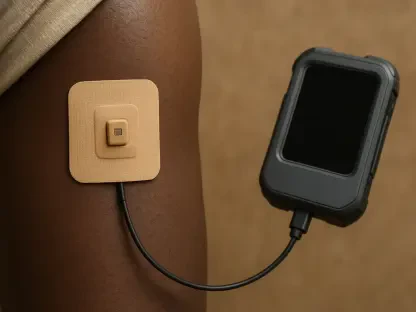
The study focused on a robust dataset involving more than 1,200 older adults residing in specialized housing environments equipped with sophisticated sensor arrays. These systems do not require patients to change their lifestyle or wear cumbersome tracking devices, which often leads to poor compliance in long-term health studies. Instead, the framework relies on contactless sensors that discreetly record movement, sleep patterns, and environmental variables such as humidity and temperature within the residence. This “lifelog” approach captures the organic reality of a person’s daily routine, providing a far more accurate representation of their health than a snapshot taken during a brief, high-stress doctor’s appointment. By aggregating this information, the AI creates a personalized behavioral signature that reflects the user’s standard functional state, allowing for the detection of anomalies that would otherwise go unnoticed by the individuals themselves or their healthcare caregivers.
Establishing a baseline for each individual is critical because health is not a one-size-fits-all metric, especially when dealing with the complexities of the aging brain. The research team analyzed thousands of two-week data samples to train the AI to distinguish between normal fluctuations in activity and genuine indicators of neurological decline. This continuous stream of information allows the system to recognize patterns over extended periods, ensuring that an occasional restless night or a busy day does not trigger a false alarm. The integration of environmental factors further refines the analysis, as the AI accounts for how external conditions might influence internal health markers. Ultimately, this technology transforms a standard living environment into a comprehensive health monitoring station that functions without the need for manual data entry. It represents a move toward a more dignified form of care where technology supports the individual’s independence while providing high medical oversight.
Advanced Detection Capabilities and Explainable Intelligence
The predictive power of this new AI framework is demonstrated by its remarkable ability to identify high-risk individuals with an accuracy rate of 96.53 percent. This level of precision is achieved by training the algorithms to focus on the specific four-week window leading up to a formal medical diagnosis of a cerebrovascular condition. During this period, the body often undergoes subtle changes that, while not consciously felt, are reflected in measurable shifts in behavioral data. The system’s success in identifying these risks suggests that the lead-up to a stroke or similar emergency is much more gradual and detectable than previously understood. By analyzing these pre-symptomatic phases, the technology provides medical professionals with a significant head start, potentially moving the point of intervention from the emergency room to a routine preventive consultation. This high degree of accuracy reduces the likelihood of missed diagnoses and ensures that resources are directed toward those most in need.
Beyond simple detection, the AI system provides essential insights into the specific reasons behind a high-risk classification, a feature known as explainable intelligence. It does not merely issue a warning but identifies specific markers, such as increased activity during late-night hours or a significant decrease in movement during the early evening. These deviations from established routines often point to disruptions in the circadian rhythm or the fragmentation of sleep cycles, both of which are established physiological red flags for impending cerebrovascular events. By highlighting these specific behavioral shifts, the system allows clinicians to understand the nature of the risk and tailor their interventions accordingly. This transparency is crucial for building trust between patients, families, and healthcare providers, as it transforms abstract data into understandable health narratives. Understanding the “why” behind an alert enables a more targeted diagnostic process, focusing on the specific neurological issues.
Strengthening Preventive Strategies for an Aging Population
This digital monitoring framework is particularly impactful for the senior population, a demographic that frequently experiences subtle health changes that are easily dismissed as inevitable signs of aging. Many older adults may not notice a slight decrease in their walking speed or a shift in their sleep hygiene, and even if they do, they might not feel these changes warrant a visit to a specialist. The AI acts as an objective observer, providing a digital safety net that removes the burden of self-reporting from the patient. This is especially vital for individuals living alone who may not have someone present to notice a gradual decline in their cognitive or physical function. By maintaining a constant, watchful eye, the technology ensures that these “silent” indicators are brought to light before they manifest as a life-altering medical crisis. This proactive oversight empowers seniors to maintain their autonomy for longer periods, knowing that an advanced system is monitoring their well-being and will alert necessary parties if a risk emerges.
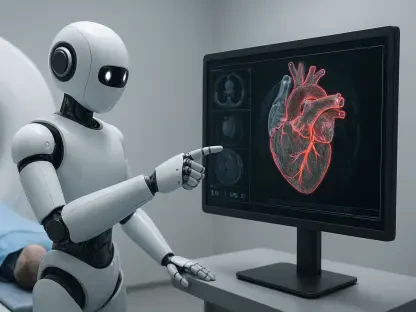
The broader goal of this research is to provide medical professionals with a wealth of actionable data that can be used to refine early intervention protocols. While the AI does not replace the expertise of a neurologist, it serves as a powerful triage tool that highlights the precise window of time when medical attention is most effectively applied. This shift toward a preventive model of healthcare has the potential to significantly reduce the long-term medical costs associated with stroke rehabilitation and permanent disability. Furthermore, by catching these early signals at home, the healthcare system can manage patient loads more effectively, prioritizing those whose digital biomarkers indicate an imminent threat. The data gathered through these home sensors could also be used to develop personalized wellness plans that address the specific vulnerabilities identified by the AI. This collaborative approach between technology and clinical medicine paves the way for a future where brain health is managed with high care.
Integrating Digital Biomarkers Into Global Health Infrastructure
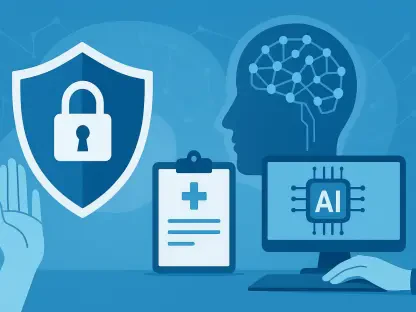
The implementation of this technology required a sophisticated coordination between sensor hardware, data privacy protocols, and machine learning architectures that were optimized for real-world residential settings. Stakeholders worked to ensure that the collection of lifelog data remained secure and that the privacy of the participants was respected throughout the duration of the monitoring. By establishing these ethical and technical standards, the researchers successfully demonstrated that large-scale health monitoring could be achieved without compromising individual rights. This foundation allowed for the creation of a scalable model that was integrated into smart home infrastructures or specialized senior living communities across different regions. The success of the initial deployments indicated that the digital footprint of a person’s daily life was one of the most valuable resources for early disease detection. Policymakers and healthcare administrators looked toward these results as a blueprint for modernizing how chronic conditions were managed.
Moving forward, the focus turned to how these predictive systems could be synchronized with emergency services and primary care networks to create a seamless loop of preventive care. Organizations identified the need for standardized data formats that allowed home sensor information to be reviewed by clinical teams during routine check-ups. This integration helped to bridge the gap between home life and the clinic, ensuring that the insights gained from AI were not siloed but were instead used to inform long-term health strategies. Development efforts expanded to include a wider range of neurological conditions, utilizing the same sensor-based approach to look for signs of cognitive decline or neurodegenerative diseases. By shifting the focus toward these longitudinal data streams, the medical community moved closer to a truly holistic understanding of patient health that prioritized early detection and sustainable wellness. These advancements suggested that the next generation of healthcare would be defined by the home environment.