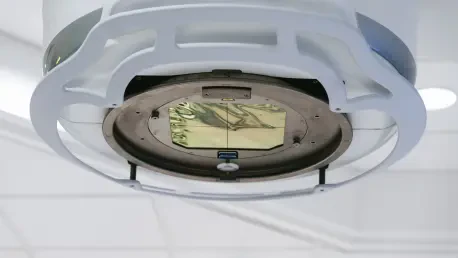
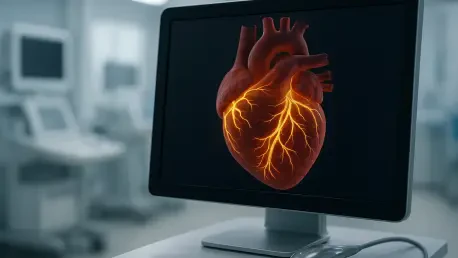
By leveraging standard ultrasound technology, Electromechanical Wave Imaging provides a noninvasive method for detecting risk factors associated with sudden cardiac arrest. For decades, the medical community has struggled to predict when manageable heart conditions like Mitral Valve Prolapse might

Automated early-warning systems frequently fail to provide actionable insights because they often trigger alerts well after human clinicians have already diagnosed and initiated care for the patient. This structural delay highlights a growing crisis within the American healthcare system, where the
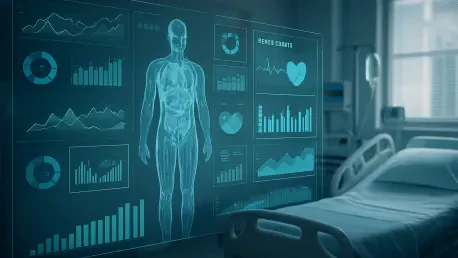
Overcoming the cultural skepticism of medical professionals requires demonstrating that data analytics are intended to augment clinical expertise rather than replace the value of hands-on experience. This paradigm shift has moved the global healthcare sector away from traditional, static

UnitedHealth has successfully implemented artificial intelligence to transform administrative workflows, reducing the time required for prior authorizations from several hours down to just a few seconds. This breakthrough marks a definitive end to the period of tentative experimentation that

The burnout crisis among healthcare professionals has reached a tipping point, often driven by the mountains of digital paperwork that keep doctors away from their patients for hours each shift. The updated MHRA framework focuses on the functional impact of technology rather than applying a
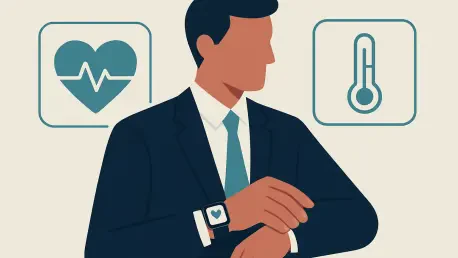
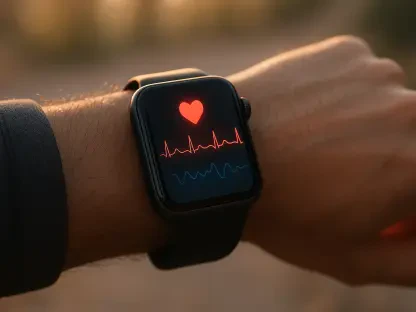
Clinical norms for resting heart rates between sixty and one hundred beats per minute often mask significant personal deviations that signal early infection. For many individuals, a pulse of eighty-five beats per minute is clinically unremarkable, yet for a person with a standard resting baseline