
Recent data from Japan reveals a significant expertise gap where eighty-six percent of hospitals have appointed security managers, yet only sixteen percent of those individuals hold specialized qualifications. This discrepancy highlights a perilous reality in modern healthcare where the
Continuous evidence generation for healthcare AI requires a monitoring infrastructure that the current clinical trial system was simply not designed to accommodate. Consider a scenario in a high-traffic oncology department where a clinical trial for a novel immunotherapy is underway;
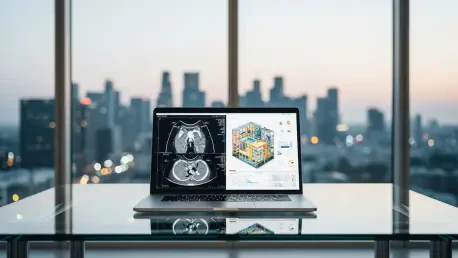
The process of manually identifying and tracing brain lesions on magnetic resonance imaging scans remains one of the most significant bottlenecks in contemporary stroke research and clinical diagnosis. Historically, neurologists and radiologists have spent dozens of hours meticulously outlining

For millions of women worldwide, the journey toward an endometriosis diagnosis has historically been characterized by years of debilitating pain, frustrating clinical uncertainty, and a lack of definitive answers. Despite advancements in medical imaging such as specialized transvaginal ultrasounds
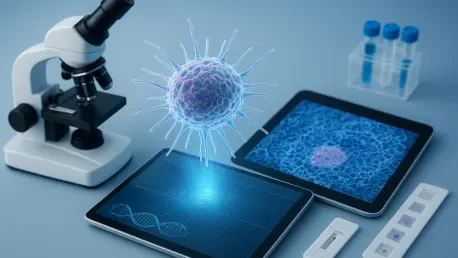
The traditional landscape of oncology diagnostics is currently undergoing a seismic shift as biotechnology firms move beyond invasive biopsies toward the highly precise world of liquid biopsy and extracellular vesicle analysis. Within this rapidly evolving sector, INOVIQ Limited has established

James Maitland stands at the forefront of medical technology integration, specializing in how robotics and automated systems can modernize the delivery of care. As an expert in IoT applications, he is uniquely positioned to dissect the brewing storm in Washington over the WISeR pilot program, which