
Overcoming the cultural skepticism of medical professionals requires demonstrating that data analytics are intended to augment clinical expertise rather than replace the value of hands-on experience. This paradigm shift has moved the global healthcare sector away from traditional, static record-keeping toward an era defined by dynamic medical intelligence. By 2026, the primary focus has transitioned from simply accumulating vast quantities of data to utilizing it in a proactive manner that improves both individual patient outcomes and broader hospital workflows. This evolution represents a fundamental change in care delivery, where high-tech computational tools are blended with strict safety protocols and ethical considerations. As medical institutions integrate advanced analytics into their daily operations, the result is a more responsive system that prioritizes human life through the precision of algorithmic insight and the depth of clinical wisdom. Professional transitions within the medical field now emphasize a data-literate workforce capable of navigating this complex and interconnected digital landscape.
Synthesizing Complex Patient Profiles: Integrating Disparate Streams
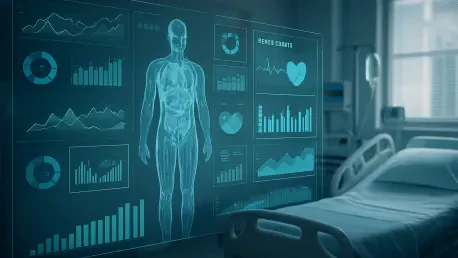
Modern medical data has expanded significantly beyond the confines of electronic health records to encompass genomic sequencing, real-time metrics from specialized wearables, and comprehensive pharmacy histories. This vast information landscape provides a far more nuanced and complete picture of a patient’s unique health profile than was ever achievable in the previous decade. However, the sheer volume and velocity of this incoming information have rendered traditional storage methods and manual analysis techniques entirely obsolete. To keep pace with modern demands, hospitals have turned to sophisticated cloud-based architectures that ingest and process unstructured data types, allowing for a deeper understanding of the biological and environmental factors that influence recovery. This multi-dimensional approach enables practitioners to tailor treatments with a level of precision that reduces adverse reactions and enhances overall therapeutic efficacy. Systems are now designed to alert clinicians when new data points suggest a divergence from the expected recovery path.
To maximize the utility of these diverse datasets, healthcare organizations are working tirelessly to eliminate the deep-seated data silos where clinical findings and financial records were historically kept separate. The strategic goal in 2026 is to maintain a unified profile for every patient, serving as a single, immutable source of truth accessible across the entire care continuum. Integrating these once-disparate systems is the only viable method for building a functional, data-driven strategy that survives the rigors of modern medicine. When a specialist can instantly see a patient’s nutritional habits from a connected app alongside their latest lab results, the quality of diagnostic reasoning improves. Furthermore, this centralization reduces the administrative burden on patients, who no longer need to repeat their medical histories to every clinic they visit. This systemic cohesion is the bedrock upon which the next phase of digital healthcare is currently being constructed. By streamlining access, medical teams can focus on patient interaction rather than data retrieval.
Security and Regulatory Alignment: Protecting the Patient Profile
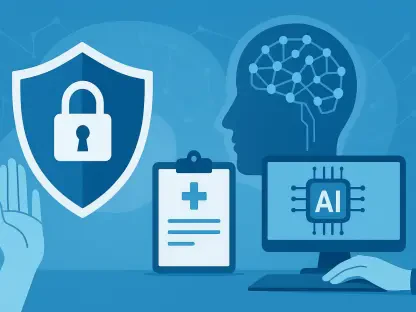
Because medical information is so sensitive, its management remains under the strict governance of evolving privacy laws like HIPAA. As hospital systems become increasingly interconnected through the internet of medical things, the potential surface area for sophisticated cyberattacks has expanded, making security a non-negotiable component of any technological deployment. Modern platforms now incorporate advanced encryption and zero-trust access controls directly into their core architecture to safeguard patient privacy. This proactive defense posture is essential for maintaining the fragile bond of trust between patients and their healthcare providers. Without guaranteed confidentiality, the benefits of shared data are quickly negated by the risks of exposure. Consequently, heavy investments are being made in automated threat detection systems that identify and neutralize potential breaches in real time, long before any sensitive information can be compromised. These systems act as a silent guardian for the massive volumes of personal health data processed daily.
Beyond the technical requirements of cybersecurity, maintaining regulatory compliance serves as a critical driver for organizational stability and financial health. In 2026, the penalties for failing to protect patient data have become more severe, prompting boards of directors to treat data integrity as a top-tier business risk. Advanced analytics platforms are now being designed with transparency at their center, allowing for detailed auditing of how data is accessed and used. This level of oversight ensures that hospitals remain in good standing with regulators while avoiding the massive legal penalties and reputational damage associated with negligence. Furthermore, establishing a culture of security awareness among the medical staff is proving just as vital as the software itself. By training nurses and administrators to recognize phishing attempts, organizations create a comprehensive shield that protects both the patient’s identity and the institution’s operational continuity. Compliance is no longer a yearly checklist but a continuous, automated process embedded in clinical workflows.
Driving Clinical Excellence: Predictive Modeling and Operational Fluidity
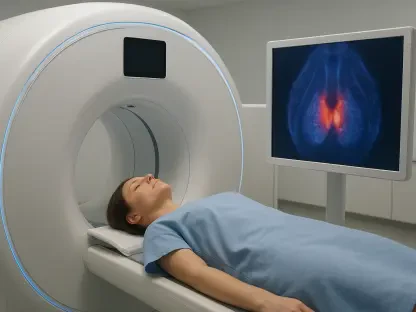
Analytics are currently solving immediate clinical challenges through sophisticated predictive modeling and real-time operational improvements. These algorithms are specifically designed to help physicians identify high-risk patients before a physiological crisis occurs, such as early indicators of sepsis or sudden cardiac distress. By analyzing subtle patterns in vital signs that might escape the human eye, these systems provide an early warning that can mean the difference between life and death. This shift toward predictive intervention allows for a more controlled and thoughtful approach to emergency medicine, where resources are allocated based on imminent need rather than reactive urgency. Doctors are increasingly relying on these digital assistants to prioritize their rounds, ensuring that the most critical cases receive attention first. This integration of machine intelligence into bedside care represents the highest realization of data’s potential to save lives in a high-pressure environment. The result is a hospital where every action is informed by a synthesis of history and real-time alerts.
Hospital administrators are leveraging the same data streams to eliminate logistical bottlenecks and streamline complex supply chains. By analyzing the flow of patients through various departments, management can optimize staffing levels to match periods of high demand, thereby reducing wait times and improving the overall patient experience. This level of operational clarity also extends to inventory management, where predictive analytics ensure that essential medications and surgical supplies are always in stock without excessive overordering. These refinements significantly reduce waste and overhead costs, allowing hospitals to reinvest savings back into patient care programs. When medical staff spend less time navigating administrative inefficiencies and searching for equipment, they can dedicate more of their energy to meaningful patient interactions. This operational fluidity is essential for maintaining the financial viability of healthcare systems in a resource-constrained landscape. Precision in management has become as vital to institutional success as the quality of the clinical procedures themselves.
Expanding Community Impact: Population Health and Preventive Care
Population health management represents another major leap forward, moving the entire industry from a model of treating acute illness to one of preventing it entirely. By identifying broad health trends within specific geographic or demographic communities, healthcare systems are now designing targeted intervention programs that address chronic risks like diabetes or heart disease in their earliest stages. This strategic shift aims to improve the overall health of entire populations simultaneously, rather than dealing with patients only when they reach a state of crisis. Data analytics allow public health officials to see which neighborhoods are most at risk and deploy mobile clinics or educational resources accordingly. This proactive stance not only improves the quality of life for thousands of individuals but also lessens the long-term burden on the medical infrastructure. The ability to visualize the health of a city in real time has transformed public health from a reactive discipline into a precision-guided strategy for societal wellness.
The focus on preventive care is further bolstered by the use of longitudinal data that tracks patient health over several years. By analyzing long-term trends in blood pressure, cholesterol, and lifestyle habits, healthcare providers can offer personalized wellness plans that encourage healthier choices before medical intervention is required. These programs are often supported by digital health platforms that provide patients with continuous feedback and incentives for reaching their health goals. In this context, data acts as a bridge between the clinical setting and the patient’s daily life, fostering a sense of shared responsibility for health outcomes. As more people engage with these preventive tools, the incidence of preventable hospitalizations has begun to decline, showing the tangible impact of data-driven community outreach. This paradigm shift ensures that the healthcare system remains sustainable by focusing its efforts on maintaining wellness rather than simply managing the consequences of long-term neglect. Success is now measured by the absence of disease rather than the number of hospital visits.
Implementation Strategies: Technical and Cultural Roadmaps
A successful transition to data-driven care relies heavily on maintaining high-quality data and building a solid technological infrastructure. Organizations have discovered that they need clear governance policies to manage data ownership and a workforce that is equally fluent in both data science and medicine. Technical hurdles like interoperability—the ability for different software systems to communicate without friction—remained a significant challenge for many hospitals during the initial phases of this transition. Without accurate, standardized data and skilled personnel to interpret the findings, even the most expensive and sophisticated software will fail to deliver meaningful clinical results. Therefore, the focus has shifted toward building open-source frameworks and standardized protocols that allow for seamless information exchange across different hospital networks. This collaborative approach is breaking down the final barriers to a truly integrated global healthcare ecosystem where clinical findings can be shared securely for the benefit of all.
Navigating these complex challenges proved to be a long-term commitment that required a patient, phased approach to implementation. Organizations that treated data as a strategic asset for empathy and care flourished as the industry matured through the first half of 2026. Looking toward the horizon from 2026 to 2028, the next logical step involved deeper integration of artificial intelligence with local community health initiatives to further personalize the patient experience. Stakeholders prioritized the upskilling of their current workforce, ensuring that every clinician possessed the digital literacy required to leverage these new tools effectively. Furthermore, hospital leaders established more robust ethical committees to oversee the use of automated decision-making in sensitive cases. By focusing on these actionable areas, the global healthcare community solidified its ability to use every available byte of information to save lives and make the delivery of medicine more efficient, equitable, and compassionate than ever before.