
The shift toward mobile health intelligence seeks to move medical care away from reactive clinic-based models and toward proactive, continuous, and home-based monitoring paradigms. This evolution is led by researchers at the University of Maryland, Baltimore County, who focus on transforming standard smartphones into high-precision diagnostic instruments. By leveraging the ubiquity of mobile technology, these scientists aim to eliminate the barriers created by expensive hospital-grade machinery, which often remains inaccessible to those in underserved areas. The initiative operates through the Future Sensing and Interaction Lab, where the objective is to ensure that medical monitoring is a universal right rather than a luxury. This vision relies on the hardware already residing in billions of pockets, turning a communication tool into a life-saving asset that functions accurately within domestic settings for all individuals. By repurposing standard components, the project effectively democratizes high-tier medical expertise.
The Transformation of Everyday Mobile Sensors
At the heart of the mHealth movement is the ingenious repurposing of existing hardware components like cameras, microphones, and inertial sensors to perform physiological assessments. Rather than requiring patients to purchase specialized gadgets, these researchers have developed algorithms that can extract vital signs from the subtle data streams already captured by a phone. For instance, high-resolution lenses and powerful image processing units found in modern smartphones can now detect minute changes in skin color or blood flow, effectively serving as a pulse oximeter or a heart rate monitor. Similarly, built-in microphones are being trained to recognize respiratory patterns and cough signatures that might indicate the onset of pneumonia or other pulmonary conditions. This shift relies on a deep understanding of signal processing, allowing standard sensors to achieve the same level of fidelity once reserved for clinical environments. These software-based upgrades turn common devices into medical assets.
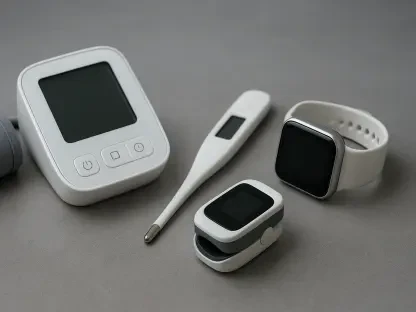
The advancement of human-hardware interaction has led to the creation of non-invasive tools like PocketCardio, which fundamentally changes how cardiovascular health is managed at home. Traditionally, monitoring blood pressure required the use of inflatable cuffs that could be uncomfortable and cumbersome for regular daily use, leading to poor patient compliance. However, by utilizing a smartphone as a direct interface with human biology, this new software allows users to obtain blood pressure readings through simple touch or visual capture. This breakthrough is not merely a convenience; it represents a fundamental change in how the medical community approaches hypertension and other silent killers. By making the measurement process seamless and pain-free, the technology encourages frequent check-ins, providing a comprehensive view of a patient’s health trajectory. Such innovations bridge the gap between complex engineering and the user experience, making wellness accessible for every person.
Artificial Intelligence and Pattern Recognition
The effectiveness of these mobile tools is amplified by the integration of advanced artificial intelligence models trained on massive repositories of physiological data. Just as contemporary language models learn the nuances of human speech, these diagnostic systems are taught to recognize the earliest markers of disease by analyzing longitudinal health signals. This approach allows the AI to detect subtle anomalies that may be invisible during a single, isolated visit to a physician’s office, where white coat syndrome or limited time can mask underlying issues. By constantly monitoring data over weeks or months, the software can identify trends that suggest a decline in cardiovascular or respiratory health. This transition from a snapshot-based diagnostic model to a continuous one provides doctors with a richer dataset for making informed decisions. The goal is a system where the AI serves as a vigilant assistant, alerting both the patient and the provider before any symptoms become severe.
Beyond simple monitoring, these AI-driven tools are being refined to predict the onset of chronic conditions long before they manifest as acute emergencies. This predictive capability is grounded in the analysis of diverse data points gathered from the smartphone’s accelerometers and gyroscopes, which can track mobility changes or tremors associated with neurological disorders. By identifying these patterns in their infancy, medical interventions can be initiated much earlier, significantly improving patient outcomes and reducing the overall burden on the healthcare system. The training process for these models from 2026 to 2028 focuses on refining accuracy across diverse populations to ensure the algorithms are effective for everyone. This level of precision transforms the smartphone into a diagnostic hub that acts as a primary defense against the progression of lifestyle-related diseases, effectively democratizing the power of high-end pathology through affordable and universally available digital platforms.
Ensuring Data Security and Patient Trust
As smartphones begin to archive and process sensitive biological information, the architecture of mobile health systems must prioritize robust privacy and security measures. The transition of medical data from secured hospital servers to personal mobile devices introduces risks that must be mitigated through advanced encryption and decentralized processing. Researchers are currently developing secure system architectures that protect user identities while allowing for the necessary transmission of health metrics to authorized medical professionals. This involves implementing edge computing techniques, where data is processed locally on the device rather than being sent to a central cloud, thereby minimizing the exposure of raw physiological signals. By keeping the most sensitive information within the physical possession of the user, these systems provide a layer of protection that balances the need for health insights with the right to personal privacy. Security is the foundation of digital health.
Establishing a foundation of public trust is essential for the widespread adoption of smartphone-based diagnostic tools, as users must feel confident in how their data is handled. This trust is built through transparency and the rigorous testing of security protocols against potential cyber threats that target health information. Engineers are working to ensure that the user interface clearly communicates when data is being collected and how it is being used, giving individuals full control over their biological digital footprint. The success of mHealth depends on the psychological comfort of the user as much as it does on the technical accuracy of the sensors. Without absolute certainty that their most intimate health details are shielded from unauthorized access, many patients would be hesitant to utilize home-based monitoring. Therefore, the development of these tools includes a focus on ethical data management and the creation of impenetrable security barriers to protect the public.
Collaborative Research and Practical Implementation
The development of these revolutionary tools relies on a unique synergy between computer science departments and clinical practitioners in nursing and medical schools. This collaborative approach ensures that the engineering solutions being developed are grounded in the actual needs of the healthcare sector and are practical for real-world application. By involving medical professionals early in the design phase, researchers can identify the specific pain points in patient care that mobile technology is best suited to address. This interdisciplinary effort has already yielded promising results in clinical trials conducted from 2026 to 2027, where smartphone-based systems were tested against traditional gold-standard equipment. These studies confirmed that mobile devices could deliver diagnostic accuracy comparable to expensive hospital machinery. Such validation is a critical step in moving these innovations out of the lab and into the hands of healthcare providers and patients alike.
The path to market success for mobile diagnostic tools is becoming increasingly clear as interest from the commercial and startup sectors continues to grow rapidly. Plans are currently underway to launch specialized startups that will refine these prototypes into consumer-ready products that can be distributed globally. These companies aim to bridge the gap in healthcare disparities by providing affordable monitoring options to low-income populations and those living in rural areas where medical infrastructure is sparse. By focusing on scalability and ease of use, these commercial ventures seek to make the smartphone the primary point of contact for routine health checks. The transition from academic research to commercial availability involves navigating complex regulatory environments to ensure that every device meets stringent safety standards. This commercialization phase is vital for transforming research into a widely available tool for social improvement and individual empowerment.
Strategic Evolution: Integrating Mobile Diagnostics Into Global Health
Despite rapid technical progress, the successful integration of mHealth into the standard of care required addressing the human element and existing psychological barriers. Many individuals remained skeptical of the idea that a common communication device could provide medical-grade data, necessitating a focused effort on public education and awareness. It was important to communicate the safety and efficacy of these tools to non-technical users, ensuring they understood that these systems were not just simple applications but sophisticated medical instruments. Research into user behavior from 2026 to 2028 focused on how to best present health data to patients without causing unnecessary anxiety. Overcoming these barriers involved a combination of intuitive design and clear messaging about the benefits of proactive monitoring. When users felt empowered and informed, they were much more likely to embrace the shift toward personalized, home-based healthcare solutions for their families.
The journey toward decentralizing medical care through mobile technology established a new standard for how society interacted with health data. Stakeholders recognized that empowering individuals to monitor their own well-being reduced the strain on clinical resources and prioritized early intervention over emergency response. This shift demanded that developers and healthcare providers collaborated more closely to ensure these tools remained accurate and secure. Looking forward, the focus transitioned toward making these technologies a permanent fixture of public health policy, ensuring that every smartphone owner possessed a gateway to high-quality diagnostics. Actionable steps involved the implementation of standardized regulatory frameworks and the expansion of digital literacy programs to support older or less tech-savvy populations. By turning the most common device into a vital medical tool, the initiative succeeded in making proactive health a global reality for populations worldwide.