
Explainable AI is becoming a critical requirement as clinicians demand transparency to understand the specific logic behind algorithmic treatment recommendations. This fundamental shift marks the transition of artificial intelligence from a novel experimental technology to a primary pillar of the modern healthcare infrastructure. Rather than functioning as a replacement for the nuanced intellectual capacity of medical professionals, these advanced systems act as a powerful augmentative tool designed to process the staggering volumes of data generated during contemporary medical practice. The primary objective of this integration involves the optimization of patient care by streamlining complex administrative workflows, increasing diagnostic precision, and fostering a deeply personalized approach to treatment. As global healthcare systems finalize their digital transformations, the synergy between human expertise and algorithmic processing is establishing a new gold standard for evidence-based medicine that bridges the gap between raw data and clinical action.
Clinical Decisions: Enhancing Support and Predictive Analytics
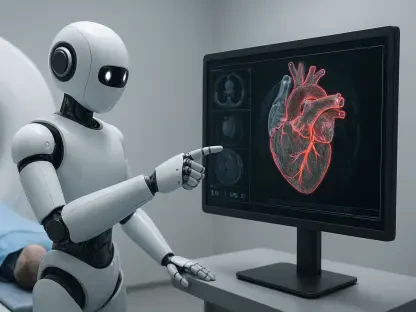
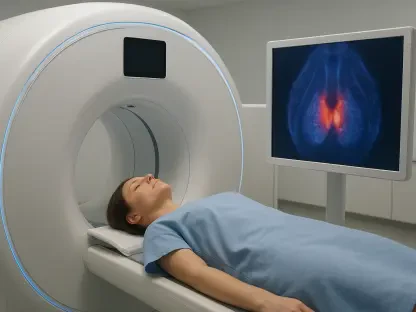
Modern clinical environments now rely heavily on the evolution of automated decision support to manage the complexities of modern patient management. These systems excel at interpreting diverse and unstructured datasets, including longitudinal electronic health records, high-resolution medical imaging, and real-time laboratory results, to identify subtle patterns that might escape even the most experienced human observer. By providing actionable insights during the point of care, these tools allow clinicians to make more informed choices with significantly greater speed than was possible in previous years. This technology facilitates a profound shift from reactive to proactive care models, utilizing sophisticated predictive analytics to forecast potential clinical crises such as sepsis or acute cardiac events before they manifest physically. This early warning capability represents a significant milestone in patient safety, allowing for interventions that prevent complications before they occur.
The medical industry has reached a firm consensus that digital intelligence serves best in a supportive rather than autonomous capacity, leading to the widespread adoption of the human-in-the-loop model. In this framework, the algorithm provides a robust, data-driven foundation, but the final clinical judgment and therapeutic responsibility remain strictly with the licensed professional. There is also a significant and growing demand for transparency within these systems, ensuring that algorithms are not perceived as black boxes but as interpretable partners in care. Professionals must be able to understand the underlying logic of a specific recommendation to ensure it aligns with established safety standards and rigorous clinical reasoning. This level of accountability is essential for maintaining trust between patients and their providers, ensuring that every technological intervention is validated by a human expert who understands the context of the individual patient’s history.
Personalized Medicine: Advancing Patient Outcomes and Security
The synthesis of artificial intelligence into daily practice correlates directly with improved patient outcomes and the accelerated rise of personalized medicine across various specialties. By merging comprehensive genetic profiles with lifestyle data and historical records, these systems enable the development of tailored treatment plans that were previously difficult to coordinate manually. Continuous monitoring tools further enhance this capability by analyzing physiological data in real time, alerting nursing and medical staff to the most subtle changes in a patient’s condition. This level of constant oversight leads to a measurable reduction in hospital readmissions, fewer preventable medical errors, and more efficient resource allocation across the entire healthcare system. When treatments are customized to the biological and environmental specifics of a patient, the speed of recovery increases, and the likelihood of adverse reactions to standard protocols decreases significantly.
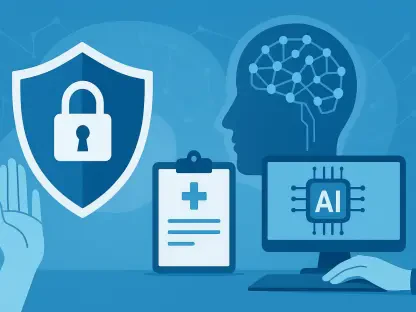
Despite these clear benefits, the integration of advanced algorithms introduces significant ethical and operational challenges that require careful navigation by hospital administrators and policy makers. Protecting patient privacy and ensuring data security are paramount, especially when handling the massive datasets required to train and refine these systems within cloud-based environments. Furthermore, healthcare organizations are now focused on rigorous algorithmic stewardship to combat potential biases that might reside within the software. Because machine learning is only as objective as its training data, regular audits and validation cycles have become necessary to ensure that recommendations remain fair and accurate across diverse patient populations. Ensuring that technology does not inadvertently perpetuate existing health disparities is a critical priority for the industry, necessitating a transparent approach to how data is collected and processed for marginalized groups.
The Human Element: Integrating Intuition and Professional Literacy
A recurring finding in contemporary healthcare technology research is that empathy, ethics, and clinical intuition cannot be codified into software or automated processes. While computational systems process data with unmatched speed and accuracy, they lack the innate ability to navigate the nuances of human emotion and the complex social determinants of health that influence patient wellness. Treatment goals often involve highly complex conversations regarding quality of life, spiritual beliefs, and cultural values that a machine simply cannot interpret or prioritize effectively. Human judgment acts as the essential filter for digital insights, ensuring that the psychological and emotional components of healing remain central to the patient experience. The art of medicine requires a connection that transcends data points, focusing on the patient as a whole person rather than a collection of physiological metrics that need to be optimized.
To thrive in this new environment, the healthcare workforce prioritized digital literacy and specialized professional development as essential components of their practice. Medical education underwent a necessary restructuring to include comprehensive training on data interpretation and the ethical implications of using advanced technological tools in the clinic. This transition ensured that the next generation of providers could critically evaluate algorithmic outputs rather than following them without necessary scrutiny. Staying informed about technological advancements became just as vital as keeping up with new surgical techniques or pharmaceutical developments during this period. Organizations invested in ongoing training programs that emphasized the importance of maintaining a balance between automated efficiency and human-centered care. These steps solidified a future where practitioners used technology to enhance their natural abilities while preserving the sanctity of the provider-patient relationship.