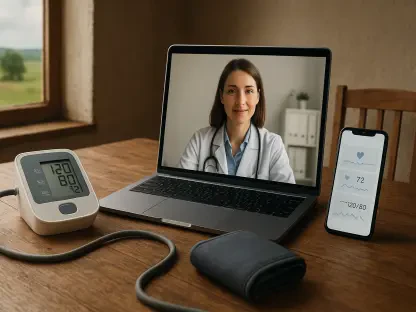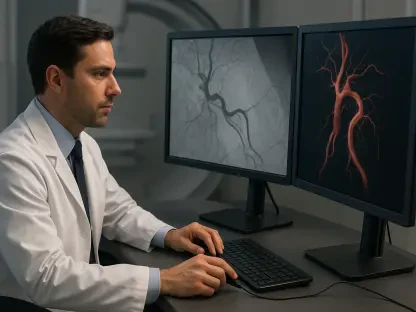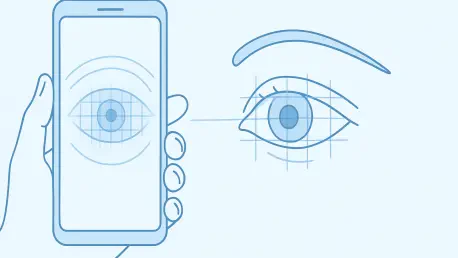

Ophthalmologists at the Chattogram Lions Eye Institute & Hospital developed a multilingual platform to empower local communities to monitor their own eye health. In a world where vision loss is often preventable yet remains a life-altering reality for millions, this technological breakthrough offers a beacon of hope for underserved populations. The project, aptly named ALO—the Bengali word for light—was recently unveiled at the 130th annual meeting of the American Academy of Ophthalmology. By leveraging the power of artificial intelligence through everyday mobile devices, the initiative targets the staggering backlog of cataract cases that currently define the public health landscape in developing nations. While traditional medical outreach requires significant infrastructure and expert manpower, this digital solution aims to democratize diagnostic capabilities. It shifts the focus from reactive treatment to proactive early detection, ensuring that the burden of distance and economic status no longer dictates a person’s ability to see clearly.
Addressing the Logistics: Why Accessibility Matters
In rural Bangladesh, cataracts account for nearly 92% of all cases of blindness, yet the path to treatment is fraught with obstacles. For many villagers, a visit to a specialized eye clinic involves hours of travel and the loss of critical daily wages, a sacrifice that most families simply cannot afford. Consequently, patients often wait until their condition becomes “mature,” a stage where the lens is completely opaque and surgery becomes significantly more complex. The resulting surgical risks and extended recovery times create a cycle of poverty and disability that persists across generations. Traditional screening camps, while helpful, are frequently overwhelmed by the sheer volume of patients and the limited time medical teams can spend in any single location. This disconnect between the availability of high-quality surgical care and the people who need it most highlights a systemic failure that requires a more flexible and scalable intervention strategy to succeed.
The ALO application addresses these fundamental challenges by utilizing the widespread availability of low-cost Android smartphones. Instead of requiring a physician to travel to every remote village, the system allows local community health workers or even family members to perform preliminary screenings with no specialized hardware. This decentralized approach effectively brings the clinic to the doorstep of the patient, bypassing the traditional bottlenecks of the healthcare system. By identifying potential cataract cases early, the app enables medical providers to prioritize those in greatest need and schedule surgeries before the condition reaches a debilitating or complicated stage. Furthermore, the digital nature of the platform allows for seamless data collection and patient tracking, ensuring that those flagged for follow-up do not fall through the cracks. This shift in the healthcare model represents a transition toward a proactive strategy where technology serves as the primary conduit.
Technical Performance: Building a Scalable Diagnostic Model
To ensure the reliability of the diagnostic tool, the development team trained the underlying artificial intelligence on a massive dataset consisting of over 12,000 unique eye images. This rigorous training process allowed the software to learn the subtle visual cues associated with various stages of cataract development. During internal validation tests, the AI achieved a remarkable 96% accuracy rate, demonstrating its ability to distinguish between healthy eyes and those affected by cataracts. When the platform was moved into real-world field conditions for further testing against 4,000 hospital patients, it maintained an impressive 85% accuracy level. While the software occasionally encountered difficulties in differentiating between immature and mature cataract stages, its primary mission of identifying the presence of the condition remained highly effective. This level of precision is critical for a screening tool, as it minimizes false negatives and ensures that individuals are correctly directed toward surgery.
Moving forward, the adoption of AI-driven screening tools required a concerted effort from global health policymakers to integrate these technologies into national blindness prevention programs. Stakeholders worked to establish standardized protocols for data privacy and clinical referral pathways, ensuring that every digital diagnosis led to a concrete medical outcome. It was also recommended that governments invest in training for community health workers to maximize the effectiveness of these mobile platforms on the ground. By prioritizing the expansion of high-speed internet and mobile connectivity in rural corridors, authorities facilitated the real-time transmission of diagnostic data to central hospitals. These combined actions moved the global health community closer to the goal of eliminating cataracts as a leading cause of preventable blindness. The transition from reactive care to a proactive, technology-enabled strategy offered a clear blueprint for addressing other chronic health conditions in resource-limited settings.