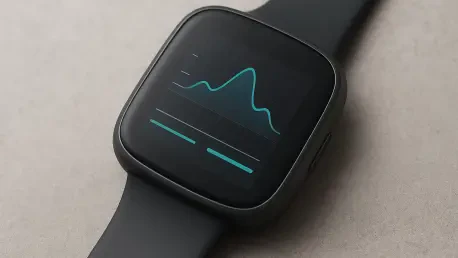
The Fitbit Edge's user interface focuses on streamlined interactions, yet the temporary lack of integrated Google Maps navigation remains a point of contention for hikers. This launch represents a significant shift in strategy since Google acquired the brand, ending a period of relative quiet where

Engineers are leveraging the precision of electromagnetic steering to move medical devices through the heart without the need for internal power supplies. This breakthrough by the team at Johns Hopkins University introduces a pair of rice-sized robotic modules designed to address infective

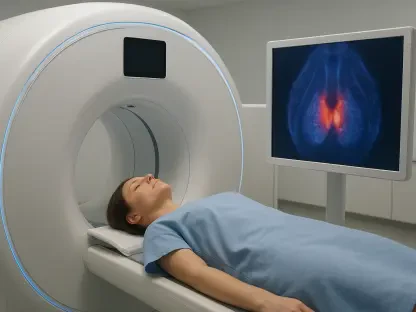
Success in treating recurrent prostate cancer hinges on the ability to detect disease at extremely low PSA values where traditional imaging often fails. For years, clinicians struggled with blind spots during biochemical recurrence, where rising PSA levels indicated the presence of cancer, yet

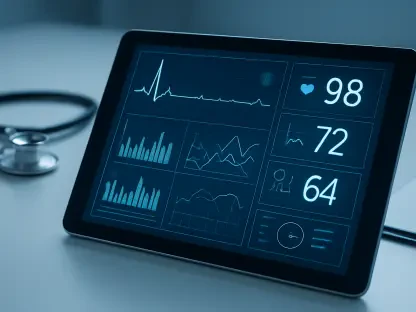
When a modern physician enters an examination room today, they are no longer just competing with time and fatigue but with a tidal wave of medical data that grows more complex every single hour of every single day. The doubling time of medical knowledge has shrunk from decades to mere weeks,

The ongoing evolution of the medical sector has recently reached a pivotal crossroads where the heavy burden of administrative tasks is finally being met by high-performance artificial intelligence. Suki’s recent procurement of a $90 million Series E funding round signifies a transformative moment

Scarlet plans to utilize its new seventy-five million dollars in total capital to expand its specialized team of AI reviewers and engineers into the Asia-Pacific market. This aggressive expansion follows a successful fifty million dollar Series B funding round led by Headline, with significant