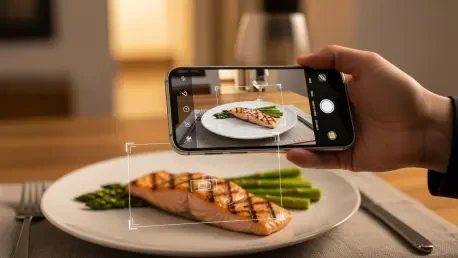

The traditional burden of logging every single gram of protein or carbohydrate into a clunky digital spreadsheet has been replaced by sophisticated artificial intelligence systems that interpret natural language and visual data with nearly perfect accuracy. As the year 2026 progresses, the dietary landscape is no longer defined by the friction of manual entry, but rather by the seamless integration of intelligent coaching into the rhythms of daily life. Modern consumers are increasingly moving away from the “dieting” mentality and toward a more holistic view of metabolic health, where data serves as a silent partner in achieving long-term wellness. This shift is primarily driven by the realization that motivation is a finite resource, while a well-designed technological ecosystem can provide the consistency needed to transform temporary changes into permanent habits. By leveraging large language models and advanced computer vision, the latest generation of nutrition applications has turned the chore of food logging into a secondary background process, allowing users to focus on the quality of their food and the joy of eating rather than the math behind it.
Building on this foundation, the current market for health technology emphasizes personalized interventions that adapt to individual metabolic needs rather than forcing a one-size-fits-all caloric restriction. The effectiveness of these tools is measured not just by their database size, but by how effectively they reduce the “cognitive load” of maintaining a healthy lifestyle. When the barrier to entry is lowered through conversational interfaces and automated photo recognition, users are significantly more likely to maintain their logs during stressful periods or travel. This period in health technology represents a fundamental departure from the past, moving toward a proactive model where the application anticipates needs and suggests adjustments before a plateau occurs. Understanding which of these sophisticated tools aligns with specific fitness targets is the primary challenge for health-conscious individuals who wish to optimize their physical and mental performance through data-driven nutrition.
1. The Evolution of Dietary Management: Why AI Dominates Today
The transition from manual database searching to intelligent, automated recognition represents the single most significant advancement in personal health technology since the invention of the calorie counter. In the preceding years, the primary reason for user abandonment was the significant “friction” associated with entering every ingredient of a complex meal, which often felt like a part-time job. Today, artificial intelligence has effectively solved this problem by enabling users to simply describe their meals in natural language or capture a high-resolution image of their plate. The underlying neural networks are now capable of estimating portion sizes and identifying ingredients with a level of precision that rivals professional dietitians. This automation ensures that the data being collected is not only more frequent but also more accurate, as it eliminates the guesswork and rounded numbers that typically plague manual logs. By removing these technical hurdles, AI has shifted the focus from the act of tracking to the meaning of the data, allowing for deeper insights into how specific foods affect energy levels, sleep quality, and athletic recovery.
Furthermore, the dominance of AI in this sector is rooted in its ability to prioritize consistency over the unattainable goal of dietary perfection. Historical tracking methods often led to a “binary” success-or-failure mindset, where a single missed meal could derail an entire week of progress. In the current 2026 health climate, AI-driven applications treat nutrition as a dynamic system, offering grace for deviations and providing real-time adjustments to keep the user on a sustainable trajectory. These systems analyze long-term patterns rather than isolated incidents, recognizing that a festive dinner or a busy workday is part of a normal human experience. By providing contextual advice—such as suggesting a higher-protein lunch after a low-protein breakfast—the technology acts as a supportive coach rather than a rigid record-keeper. This psychological shift is crucial for long-term adherence, as it fosters a positive relationship with data and food, ultimately leading to more permanent lifestyle changes and better metabolic outcomes across diverse populations.
2. Conversational and Database Giants: Welling and MyFitnessPal
Welling has emerged as a disruptive force in the nutrition space by pioneering a conversational-first approach that mirrors the experience of texting a knowledgeable friend. Rather than navigating complex menus and dropdown lists, users interact with a chat-based interface that processes natural language descriptions like “I had a bowl of spicy tuna poke with extra avocado and a side of miso soup.” The system immediately deconstructs these descriptions into their constituent macronutrients, leveraging a verified international food database that avoids the inaccuracies common in crowdsourced platforms. This method is particularly effective for those who find traditional interfaces overwhelming or clinically sterile. Beyond simple logging, the platform functions as a real-time coach, identifying patterns in the user’s eating habits and offering proactive suggestions. For instance, if the AI detects a consistent energy dip on Tuesday afternoons, it might suggest a specific snack adjustment or hydration change based on the user’s unique history.
In contrast, MyFitnessPal maintains its position as a powerhouse through the sheer scale of its digital library, which now exceeds 14 million verified items. This massive repository makes it the preferred tool for individuals who require extreme precision or those who frequently consume packaged goods and restaurant meals across various global regions. The 2026 version of the platform has integrated advanced AI meal suggestions into its premium tier, moving away from being a passive repository and toward becoming an active participant in the user’s fitness journey. This is particularly valuable for adherents of specific dietary protocols, such as the Mediterranean diet or high-protein bodybuilding regimens, where hitting exact macronutrient targets is essential. While its interface remains more traditional than conversational newcomers, its barcode scanning technology and recipe import features are highly refined, ensuring that even the most complex homemade dishes can be documented with minimal effort. The choice between these two often comes down to whether a user prefers the fluidity of a chat interface or the granular control of a data-dense spreadsheet.
3. Specialized Precision: Cronometer and Noom
For the segment of the population that views nutrition through the lens of biochemistry and micronutrient optimization, Cronometer stands out as the most rigorous tool available. Unlike many general-purpose trackers, it focuses on over 82 distinct vitamins, minerals, amino acids, and fatty acids, pulling data exclusively from verified scientific sources such as the USDA and NCCDB. This level of detail is indispensable for “biohackers,” athletes, or individuals managing specific medical conditions that require the careful monitoring of electrolytes or fat-soluble vitamins. The 2026 updates have further refined its biomarker tracking, allowing users to correlate their nutritional intake with blood glucose levels or other laboratory results. While it lacks the automated photo recognition of its competitors, it compensates with unparalleled data integrity. It is a tool designed for the “power user” who is less concerned with the time spent logging and more concerned with the absolute accuracy and depth of the resulting nutritional profile.
On the other end of the spectrum, Noom addresses the psychological foundations of eating behavior, utilizing principles of cognitive behavioral therapy to facilitate lasting change. It recognizes that most people already know what they should be eating; the challenge lies in the emotional and habitual barriers that prevent them from doing so consistently. The application uses a color-coded system—green, yellow, and red—to help users understand calorie density without the stress of strict prohibition. Every day, users engage with short, evidence-based lessons designed to rewire their relationship with food, addressing topics like stress eating, social pressure, and the “all-or-nothing” mindset. This approach is supplemented by access to human coaches and community support groups, creating a social ecosystem that reinforces the digital lessons. For those who have cycled through multiple diets without success, this focus on the “why” of eating provides a missing piece of the puzzle that purely data-driven apps often overlook, making it a premier choice for sustainable weight management.
4. Seamless Integration: Lose It! and Wearable Ecosystems
Lose It! continues to appeal to the “minimalist” segment of the market by offering a clean, streamlined experience that prioritizes speed and simplicity. Its “Snap It” feature remains a hallmark of efficient design, allowing users to log entire meals with a single photograph while the AI handles the categorization and estimation in the background. The interface is intentionally designed to be non-intimidating, making it an excellent starting point for beginners who might be scared off by the complexity of a micronutrient tracker. It focuses heavily on the “energy balance” equation, providing clear visual feedback on how a user’s daily intake aligns with their weight loss or maintenance goals. This simplicity does not mean a lack of depth, as the premium version provides weekly reports that highlight trends in sugar intake, fiber, and protein, offering enough insight to drive progress without overwhelming the user with unnecessary statistics. It is essentially the “entry-level” tool that many find they never need to outgrow.
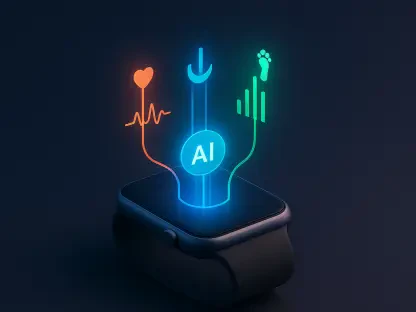
The true power of these 2026 nutrition applications is fully realized when they are paired with advanced wearable technology like the Apple Watch or Garmin ecosystem. These hardware devices provide a continuous stream of physiological data—including heart rate variability, sleep stages, and active calorie expenditure—which provides the necessary context for nutritional logs. For example, a high-carbohydrate meal might be interpreted differently by the AI if it is consumed immediately following a high-intensity interval training session detected by a Garmin watch. This bi-directional flow of information allows the nutrition app to adjust daily calorie targets based on actual movement rather than static estimates. Furthermore, sleep tracking data can alert users to potential cravings; a poor night’s rest often leads to an increase in ghrelin, the hunger hormone. When an app “knows” its user is sleep-deprived, it can proactively suggest higher-satiety meals to prevent impulsive snacking, creating a comprehensive health strategy that spans the entire twenty-four-hour cycle.
5. Implementing a Successful Framework: Strategic Habits
Success in the modern era of nutrition tracking is rarely the result of a single “perfect” app, but rather the implementation of a consistent, manageable framework. The first step involves selecting a primary platform that aligns with one’s personal logging style and specific health objectives. For those who value speed and conversational interaction, a chat-based system like Welling is the logical choice, whereas those needing medical-grade precision would be better served by a platform like Cronometer. Once the tool is selected, it should be integrated into a broader monitor of physical activity to ensure the energy balance data remains accurate. Relying on the app’s internal estimates for exercise is often less reliable than using a dedicated wearable device that tracks heart rate in real-time. This combination of “input” (nutrition) and “output” (activity) creates a high-fidelity map of a person’s metabolic health, making it much easier to diagnose why progress might have stalled.
Once the technological foundation is in place, the focus must shift to behavioral strategies that ensure the data leads to action. Users were most successful when they defined clear, measurable weekly objectives—such as reaching a specific fiber target or logging every meal for five consecutive days—rather than focusing solely on long-term weight goals. It was also found that bi-weekly reviews of the data were more effective than daily obsessions; looking at seven to fourteen days of trends allows for the identification of meaningful patterns while ignoring the noise of daily water weight fluctuations. When adjustments were needed, the most reliable results came from changing only one variable at a time, such as increasing protein by twenty grams or moving a daily walk to the morning. This systematic approach, combined with a target weight loss rate of 0.5 to 1 percent of total mass per week, ensured that the body had time to adapt without triggering significant muscle loss or metabolic slowdown.
The most effective health transformations were achieved when individuals viewed their AI nutrition apps as educational tools rather than digital wardens. Throughout the year, users who utilized these platforms to gain a deeper understanding of food density and satiety found that they eventually needed the apps less, as the AI had successfully “trained” them to make better intuitive choices. While the software provided the data, the human element remained essential, particularly for those with complex health histories who combined these tools with professional medical or dietetic guidance. Ultimately, the best application was not the one with the most advanced algorithms, but the one that the user found easy enough to interact with every single day. By prioritizing long-term adherence and reducing the friction of data entry, these artificial intelligence systems empowered people to take control of their health with a level of precision that was previously impossible. This integration of technology and behavior proved that the most powerful way to reach a goal was to make the process as invisible and effortless as possible.