
The landscape of personal wellness is undergoing a monumental shift as the traditional era of passive step-counting concludes with the retirement of the long-standing Fitbit application. This transition represents a strategic pivot toward a unified Google Health platform that prioritizes deep integration over fragmented data silos, effectively turning a simple tracker into a sophisticated digital mentor. By consolidating these disparate health services into a single, cohesive ecosystem, the organization is positioning itself to lead a highly competitive digital wellness market through the application of advanced generative intelligence. This change is not merely a cosmetic update or a rebranding exercise; it is a fundamental redesign of how individuals interact with their physiological data on a daily basis. The move signals a departure from retrospective health monitoring, where users merely reviewed what they had already achieved, toward a proactive model that anticipates needs and offers guidance in real-time. As this transition matures through 2026 and into 2028, the focus remains on leveraging extensive infrastructure to provide insights that were previously only available through high-end professional coaching services.
Strategic Market Positioning and Subscription Integration
The global rollout of the new platform, finalized on May 19, 2026, marks the point where the application officially exited its public preview phase to become the primary health interface for millions. In specific growth markets like India, the introduction of this service has been accompanied by a tiered subscription model designed to lower the barrier to entry for advanced AI-driven wellness. Priced at Rs. 99 per month or an annual rate of Rs. 999, the Google Health Coach is positioned as an affordable alternative to personal trainers, making high-level data analysis accessible to a broader demographic. Beyond the standalone cost, the service is strategically bundled within the Google Health Premium tier and is included for subscribers of the Google AI Pro and Ultra plans. This integration ensures that health management is not viewed as an isolated task but as a core component of a wider digital life, where generative capabilities and personal health metrics work in constant tandem to provide a holistic user experience across all supported devices and services.
Hardware compatibility remains a critical factor in the success of this transition, with the initial launch specifically tailored for the Fitbit and Google Pixel Watch product lines. However, the roadmap for the platform indicates a clear move toward hardware inclusivity, with engineers currently working to integrate a wider variety of third-party wearables into the ecosystem. For individuals using devices that are not yet natively supported, the app includes a sophisticated waitlist system that alerts them the moment their specific hardware becomes compatible with the AI’s processing requirements. This inclusive approach prevents the platform from becoming a closed system, allowing it to aggregate data from a diverse range of sensors and high-fidelity tracking tools. By expanding the reach of the Health Coach beyond its own branded hardware, the company is ensuring that its AI models have access to the largest possible datasets, which in turn improves the accuracy and relevance of the advice provided to every user, regardless of their preferred wrist-worn technology.
Evolution of the Predictive User Interface
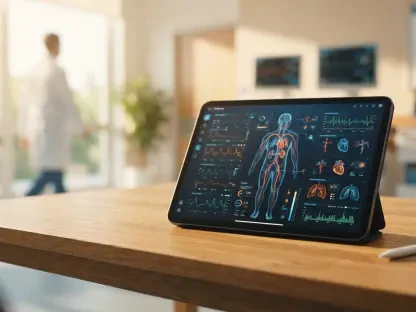
The cornerstone of the user experience within the newly launched Google Health app is a complete reimagining of the “Today” tab, which has been transformed from a static log into a dynamic command center. Traditional fitness interfaces often suffer from data fatigue, presenting users with an overwhelming amount of information that lacks immediate context or actionable value. In contrast, the Health Coach utilizes advanced filtering algorithms to identify and highlight significant behavioral patterns while suppressing irrelevant data noise. This approach facilitates the delivery of “timely nudges,” which are context-aware suggestions triggered by specific user goals rather than randomized notifications. Whether it is suggesting a brief walk during a gap in a work schedule or advising a higher water intake on a particularly humid day, the interface acts as a vigilant partner. This design philosophy shifts the focus from simple data collection to active health management, ensuring that the user is always looking forward at their potential rather than backward at historical metrics.
Establishing this relationship begins with a departure from the monotonous, form-based data entry that has characterized health apps for over a decade. Upon the first interaction, users engage in a conversational onboarding process with the AI, discussing their fitness aspirations, daily professional schedules, and any physical constraints or injuries. This dialogue allows the AI to construct a nuanced profile that accounts for real-world variables, such as available gym equipment or commute times, rather than relying on generic health benchmarks. Crucially, this profile is not a static document; the relationship between the user and the Coach is inherently dynamic and evolves as life circumstances change. If a user sustains a minor injury or shifts to a new work shift, they can simply update the AI through the conversation interface. The system then immediately recalibrates training suggestions, recovery goals, and nutritional advice to reflect the new reality, preventing the rigidity that often leads to user burnout in traditional fitness programs.
Comprehensive Data Synthesis and Interactive Support
The technical efficacy of the Google Health Coach is derived from its ability to synthesize a vast and diverse array of data points into a single, coherent physiological narrative. Beyond basic wearable metrics like heart rate and sleep stages, the platform can integrate manual nutrition logs, reproductive health records, and even clinical data from personal medical files. This holistic view is further enhanced by environmental signals, such as local weather patterns and air quality indices, which allow the Coach to provide safety warnings or suggest optimal times for outdoor activities. By merging internal physiological data with external environmental factors, the AI can explain why a user might feel fatigued or why their recovery is taking longer than usual. This level of synthesis transforms raw numbers into deep insights, helping users understand the complex web of factors that influence their daily well-being and long-term health trends, thereby providing a more complete picture than any previous iteration of the software.
To make this wealth of information easily accessible, the platform introduced the “Ask Coach” feature, which serves as a 24/7 on-demand resource for health-related inquiries. Instead of waiting for the system to generate a proactive nudge, users can initiate a query at any time to receive immediate, contextually relevant answers based on their specific health history. For instance, a user might ask for a low-impact alternative to a scheduled workout due to unexpected knee pain, or they might seek clarification on how their recent sleep patterns are affecting their cognitive performance. To ensure these interactions remain fluid and low-friction, Google implemented “quick-reply chips” that allow for one-tap responses to AI suggestions. This focus on usability reduces the cognitive load typically associated with health tracking, encouraging consistent engagement over long periods. The combination of sophisticated background analysis and a simplified, conversational front-end represents the next step in digital wellness, where technology serves as a seamless extension of the user’s own health awareness.
Future Considerations for Digital Health Management
The transition from the legacy Fitbit application to the integrated Google Health platform established a new standard for how artificial intelligence interacts with human wellness. This move successfully moved the industry beyond the limitations of basic telemetry and into the realm of meaningful, personalized guidance that adapts to the complexities of modern life. As the ecosystem continues to expand, the primary focus shifted toward ensuring that these advanced insights remained actionable and grounded in clinical accuracy. Users were encouraged to maintain a continuous dialogue with the AI, treating the platform as a collaborative tool rather than a passive monitor. This approach required a fundamental change in user behavior, where regular updates regarding lifestyle changes and physical sensations became essential for maintaining the precision of the coaching algorithms. The success of this model ultimately depended on the transparency of the data integration process and the clarity of the resulting advice.
Moving forward, the primary objective for those utilizing this technology is to leverage the “Ask Coach” and conversational features to bridge the gap between data collection and behavioral change. It is recommended that users periodically review their shared medical records and environmental permissions to ensure the AI has the most accurate context for its recommendations. As the platform matures between 2026 and 2028, the integration of even more diverse data sources, such as genomic information or advanced metabolic tracking, will likely further refine the personalization of the experience. The proactive nature of the new “Today” tab should be used as a tool for preventive health, allowing individuals to address potential issues before they manifest as significant problems. By embracing this conversational and integrated approach, users have successfully transformed their wearable devices from simple accessories into essential components of a proactive health strategy, setting the stage for a more informed and health-conscious society.