
The healthcare landscape is currently undergoing a massive transformation as providers move away from reactive office-based treatments toward proactive, home-centered management strategies that leverage advanced technology. At the forefront of this evolution is the strategic partnership between ThoroughCare, a leader in care coordination software, and Withings Health Solutions, a pioneer in connected health technology. This collaboration focuses on integrating cellular-connected smart scales into daily patient routines to tackle the logistical and clinical hurdles that have historically slowed the progress of Remote Patient Monitoring. By combining a robust software platform with intuitive medical-grade hardware, the two organizations aim to bridge the gap between clinical settings and the home environment. This synergy is particularly relevant as the industry seeks to reduce hospital readmissions and improve the quality of life for millions of individuals living with chronic conditions. The shift toward a continuous care model represents a significant departure from the traditional episodic approach, promising more timely interventions and better long-term health outcomes for patients across the country.
Bridging the Gap in Digital Health Accessibility
Overcoming Technical Friction: The Senior Care Perspective
For years, the true potential of remote monitoring was limited by the technical complexity required of the patient, which often created significant barriers for those who needed the technology most. Many individuals, particularly seniors managing multiple chronic conditions, struggled with the digital friction of pairing devices via Bluetooth, configuring Wi-Fi settings, or navigating complex smartphone applications that were not designed with their specific needs in mind. These persistent technical barriers often led to high dropout rates and created data deserts where clinicians lacked the consistent information needed to make informed medical decisions. When a device fails to sync or requires constant troubleshooting, the patient is likely to abandon the tool altogether, rendering the entire remote monitoring program ineffective. This lack of reliable data has historically made it difficult for care teams to maintain a clear picture of a patient’s health status between scheduled office visits, often leading to missed opportunities for early intervention.
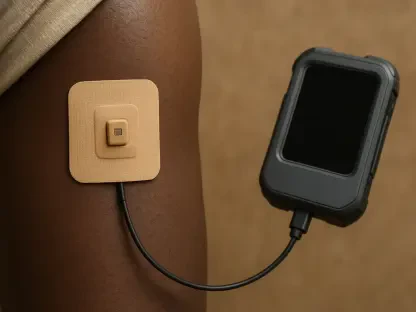
The partnership addresses these challenges by prioritizing an invisible technology experience through cellular-connected devices that operate independently of a patient’s home internet or smartphone. By utilizing plug-and-play smart scales that require zero configuration from the user, weight data is automatically transmitted to the care team the moment a patient steps on the scale. This seamless approach removes the onboarding hurdle entirely, fostering long-term adherence and ensuring that the technology serves the patient rather than becoming a burden to them. Because the device uses its own cellular connection, it eliminates the need for complex setup processes, making it accessible even to those with limited technical proficiency or no home internet access. This democratization of digital health tools is essential for reaching vulnerable populations who might otherwise be left behind by the digital divide. By simplifying the user experience, ThoroughCare and Withings are ensuring that clinical data remains consistent and high-quality over the long term.
Enhancing Patient Engagement: The Power of Connectivity
A successful remote care program depends on the ability to maintain high levels of patient engagement without causing device fatigue or frustration during the daily routine. Cellular connectivity serves as the backbone of this strategy, providing a reliable link between the patient’s home and the clinical team without requiring any manual data entry or technical maintenance. When patients see that their health metrics are being monitored effortlessly and that their care team is responding to those metrics, it reinforces the value of the program and encourages continued participation. This sense of being watched over provides a layer of psychological comfort to patients, knowing that any significant changes in their health will be noticed and addressed promptly. This level of connectivity transforms the smart scale from a simple weighing tool into a critical communication hub that supports the broader care plan. The automation of data transmission ensures that the relationship between the patient and the provider remains focused on health outcomes rather than technical support.
Furthermore, the integration of these devices into a comprehensive care coordination platform allows for a more personalized approach to patient management and education. As data flows into the system, care managers can provide tailored feedback and guidance based on the actual trends observed in the patient’s weight and other health metrics. This proactive communication helps to build trust and accountability, as patients receive recognition for their progress or support when they encounter setbacks. The ability to track trends over time rather than relying on a single data point enables a much deeper understanding of the patient’s journey and the factors that influence their health. By reducing the effort required to participate, the cellular-connected model allows patients to focus on their health goals rather than the mechanics of the technology. This shift in focus is a critical component of modern chronic disease management, where consistent engagement is the key to preventing complications and maintaining stability.
Advancing Clinical Outcomes Through Proactive Monitoring
Turning Objective DatLife-Saving Interventions in Practice
The clinical heart of this integration is the transformation of weight monitoring from a passive metric into a dynamic, actionable indicator that can drive immediate clinical decisions. By funneling real-time data from Withings scales directly into the ThoroughCare dashboard, healthcare providers can move away from relying on a patient’s memory or sporadic in-person visits that may miss critical health shifts. This continuous stream of objective data allows for a more nuanced understanding of how lifestyle choices and medical treatments impact a patient’s health over time. For example, clinicians can see how a new medication affects a patient’s weight in real time, allowing for faster dosage adjustments and better management of side effects. This granularity of data is a major improvement over the traditional model, where a provider might only see a patient every few months. The availability of high-frequency data points makes it possible to spot subtle trends that would otherwise go unnoticed until they become serious problems.
This real-time visibility is particularly critical for managing high-risk conditions like congestive heart failure, where sudden weight gain often signals dangerous fluid retention. With automated alerts and analytics, care teams can identify these red flags immediately and intervene, perhaps by adjusting a prescription or scheduling a telehealth consultation, well before the situation escalates. This type of early intervention has been shown to significantly reduce the risk of emergency department visits and hospitalizations, which are both costly and taxing for the patient. By catching these issues early, providers can keep patients in the comfort of their own homes while still providing a level of oversight that rivals traditional clinical settings. The ability to act on data within hours rather than weeks is a game-changer for cardiac care and other chronic conditions. This proactive approach not only saves lives but also optimizes the use of clinical resources by focusing attention on the patients who are currently at the highest risk of decompensation.
Managing Chronic Conditions: Precision through Analytics
The integration of smart scales into a care coordination platform provides a wealth of data that can be used to refine treatment plans for a variety of chronic conditions. For patients managing hypertension or diabetes, consistent weight data is often a leading indicator of broader health trends that can influence blood pressure and glucose levels. By analyzing this data alongside other vital signs, care teams can develop a more comprehensive view of the patient’s health and identify patterns that might be missed in a vacuum. This multi-dimensional view enables a level of precision medicine that was previously difficult to achieve in a home setting. The software can automatically flag deviations from the patient’s baseline, allowing clinicians to focus their efforts on outliers who require immediate attention. This efficiency is vital for large practices that need to manage thousands of patients simultaneously without sacrificing the quality of care provided to each individual.
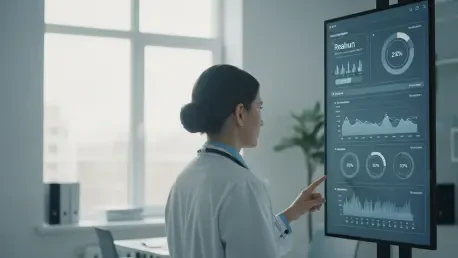
In addition to immediate interventions, the long-term data collected through this partnership allows for more informed discussions during scheduled telehealth or in-person appointments. Instead of spending valuable time trying to reconstruct a patient’s history from memory, providers can review clear, visual charts of the patient’s weight trends over the past several months. This data-driven approach facilitates more productive conversations about diet, exercise, and medication adherence, as the evidence is presented clearly for both the patient and the provider to see. It also empowers patients to take a more active role in their own care, as they can see the direct impact of their daily choices on their health metrics. The move toward data-driven chronic care management is essential for improving population health outcomes and reducing the overall burden on the healthcare system. By providing the tools for precise, continuous monitoring, ThoroughCare and Withings are setting a new standard for how chronic diseases are managed in the community.
Maximizing Strategic Success in Integrated Care
Maximizing Reimbursement: Strategic Value-Based Success
Beyond clinical benefits, the partnership is strategically aligned with the ongoing transition toward Value-Based Care within the United States healthcare system. In this model, healthcare providers are financially incentivized to maintain patient health and prevent hospitalizations rather than simply increasing the volume of procedures and tests. This shift makes effective remote monitoring a cornerstone of a sustainable business strategy for modern medical practices that are looking to thrive in a competitive landscape. By demonstrating improved outcomes and reduced costs through the use of integrated remote monitoring tools, practices can secure better contracts with payers and improve their overall financial health. The ability to document these outcomes through the ThoroughCare platform provides the evidence needed to justify the investment in remote care technology. This alignment of financial incentives with patient outcomes is a powerful driver for the adoption of innovative health technologies across the entire industry.
The integration simplifies the financial side of remote care by streamlining the documentation required for Medicare reimbursement and other value-based incentive programs. Using specific CPT codes for device supply and clinical monitoring time, organizations can generate consistent recurring revenue while the software handles the administrative heavy lifting of tracking. Because data flows directly into the coordination platform, providers can easily track monitoring minutes and data transmission frequency, ensuring they meet federal requirements without the overhead of manual data entry. This automation reduces the risk of billing errors and ensures that the practice is fairly compensated for the time spent managing patients outside of traditional office visits. By making the financial aspect of remote monitoring as seamless as the clinical aspect, the partnership enables practices of all sizes to implement these programs effectively. This economic logic is essential for the long-term scalability of remote patient monitoring as a standard of care for the general population.
Streamlining Operations: Administrative Efficiency in RPM
The operational efficiency gained through the integration of Withings hardware and ThoroughCare software is a critical factor for healthcare organizations looking to scale their remote care programs. Managing a large fleet of remote devices can be an administrative nightmare if the systems are not properly integrated, leading to lost devices and inconsistent data collection. This partnership simplifies the deployment process, allowing practices to ship devices directly to patients’ homes with the assurance that they will work immediately upon arrival. The software provides real-time visibility into which patients are using their devices and which may need additional outreach or support, allowing for more targeted interventions. This level of oversight ensures that clinical resources are not wasted on manual tracking and that every patient in the program is receiving the intended level of care. The reduction in administrative burden allows clinical staff to focus on what they do best, providing high-quality care and support to their patients.
Building on this foundation, the use of a unified platform for both care coordination and remote monitoring reduces the need for clinicians to switch between multiple software systems. This consolidation of tools improves the user experience for the healthcare team and reduces the likelihood of data being missed or misinterpreted during the transition between systems. Having all of the patient’s information, from clinical notes to real-time vital signs, in a single location enables a more holistic approach to care management and improves the speed of decision-making. The partnership also addresses the security and compliance requirements that are paramount in the healthcare industry, ensuring that all data is handled in accordance with HIPAA and other regulatory standards. As organizations look toward 2027 and beyond, the focus will continue to be on finding integrated solutions that provide the best possible experience for both patients and providers. By streamlining the operational side of remote monitoring, ThoroughCare and Withings are paving the way for more widespread adoption of these life-changing technologies.
Setting Standards: Chronic Disease Management in the Modern Era
In an increasingly crowded digital health market, the ThoroughCare and Withings alliance stands out by offering deep, API-level integration rather than relying on third-party data aggregators that can introduce delays. This creates a secure, closed-loop system that reduces data silos and ensures that information is immediately available to every member of the care team. This comprehensive approach lowers the total cost of ownership for providers and offers a more reliable infrastructure for large-scale chronic disease management across diverse patient populations. By owning the relationship between the hardware and the software, the two companies can ensure a higher level of reliability and security for the sensitive health data being transmitted. This move signifies the maturation of the remote monitoring market, where the focus has shifted from simple data collection to the creation of integrated ecosystems that support the entire patient journey. Such a model is essential for the future of healthcare, where the boundaries between the home and the clinic are becoming increasingly blurred.
The success of this partnership suggested that the future of healthcare depended on the simplicity of the user interface combined with the sophistication of the backend analytics. By linking easy-to-use home technology with a robust financial and clinical framework, the collaboration provided a blueprint for how chronic care was delivered as a standard of care for millions. Moving forward, healthcare organizations should prioritize the adoption of cellular-connected, plug-and-play solutions to maximize patient adherence and data quality. It was also recommended that providers integrate these tools into a broader value-based care strategy to ensure long-term financial sustainability and clinical effectiveness. As the industry continued to evolve, the focus remained on reducing technical friction and making remote monitoring a seamless part of daily life for both patients and clinicians. The integration of advanced analytics with intuitive hardware was the key to unlocking the full potential of remote care and improving health outcomes on a global scale. This proactive approach became the new benchmark for excellence in the management of chronic diseases during the late 2020s.