The healthcare technology sector is currently facing an unprecedented wave of regulatory hurdles as oversight bodies significantly increase the frequency of rejections for medical device submissions that do not meet rigorous cybersecurity criteria. This trend reflects a broader shift in the

Medical practitioners have long struggled with the limitations of static diagnostic software that remains frozen in time once its initial training phase is complete, often failing to account for the rapid emergence of new viral strains or shifting demographic health trends. Unlike conventional

The landscape of modern medical practice is increasingly defined by a relentless tension between clinical excellence and the crushing weight of administrative bureaucracy that threatens to strip physicians of their professional autonomy. As independent dermatology practices navigate the
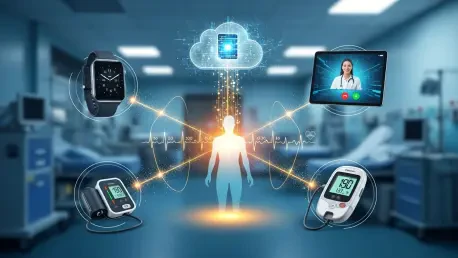
The traditional architecture of the medical system is experiencing a fundamental realignment as clinical expertise moves from sterile hospital wards into the intimate settings of residential living spaces. This profound transformation relies on Remote Patient Monitoring as its primary engine,

Surgeons operating on complex bone fractures or performing total joint replacements rely heavily on the tactile feedback and consistent power delivery of their handheld instruments to ensure every cut is precise. In the modern operating room, where surgical precision is measured in microns and

For decades, American businesses have been forced to navigate a labyrinthine healthcare system where they pay billions of dollars for services without ever truly understanding the quality or the underlying costs of the care their employees receive. To address this fundamental market failure,