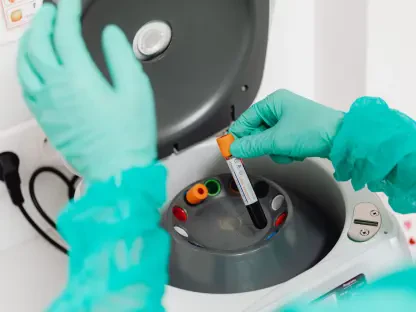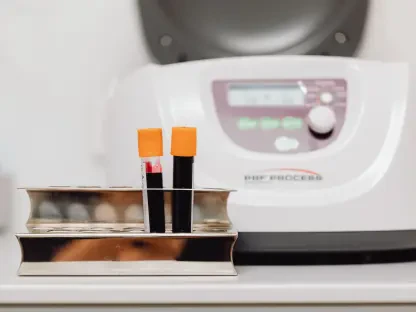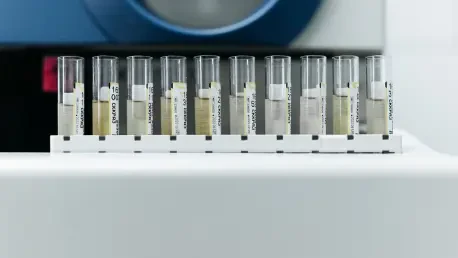

The integration of next-generation sequencing into routine clinical practice represents a major leap forward for oncology, moving beyond invasive tissue extraction toward highly sensitive liquid biopsy techniques that monitor circulating tumor DNA in the bloodstream. The oncNGS project, reaching its primary implementation milestones in 2026, served as a catalyst for this transformation by bridging the gap between sophisticated laboratory research and everyday patient care across several European nations. By utilizing liquid biopsy, clinicians could identify genetic mutations with a level of precision that was previously unattainable through traditional methods. This transition reduced the physical burden on patients while providing a more comprehensive view of tumor heterogeneity and evolution during treatment. Throughout the initiative, the focus remained on making these advanced diagnostic tools accessible within public health systems. This required a concerted effort to standardize procedures to ensure that genomic data could be translated into actionable clinical decisions.
Modernizing Cancer Care Through Strategic Procurement
Addressing Critical Gaps in Diagnostics
The primary motivation for this ambitious initiative stemmed from the persistent limitations of existing diagnostic tools, which often failed to provide the speed or accuracy required for effective cancer management. Traditional tumor profiling was frequently restricted by high costs and a lack of sensitivity, making it difficult for public healthcare providers to implement comprehensive testing for every patient. Consequently, many individuals were unable to benefit from the growing library of targeted therapies that rely on identifying specific genetic markers. By focusing on high-precision genetic profiling, the project sought to develop a more efficient alternative that could integrate seamlessly into existing healthcare budgets. This effort focused on optimizing the diagnostic workflow to ensure that results could be delivered within a timeframe that significantly impacts treatment decisions. Reducing these barriers was essential for moving away from a one-size-fits-all approach toward a model where every patient receives a treatment plan tailored to the unique molecular characteristics of their illness.
The Power of a Shared Purchasing Framework
Innovation in the medical sector often faces hurdles related to market fragmentation and the high risk associated with developing new technologies. To overcome these obstacles, the project utilized a Pre-Commercial Procurement model that allowed public buyers to collectively drive the development of novel diagnostic solutions. A consortium of eight prominent hospitals and health organizations from Belgium, France, Germany, Italy, and Spain joined forces to challenge the industry to produce tools that met rigorous clinical standards. Instead of selecting existing products, these institutions defined their specific needs and invited technology providers to compete in creating prototypes that addressed real-world challenges. This collaborative approach ensured that the final products were not only scientifically advanced but also practically applicable in diverse clinical settings. By pooling resources and expertise, the consortium successfully mitigated the financial risks for individual hospitals while encouraging the industry to invest in high-sensitivity liquid biopsy platforms that might otherwise have been deemed too expensive.
Transforming Prototypes Into Clinical Reality
Validating Technology in Hospital Environments
The transition from laboratory prototypes to practical clinical tools required a systematic validation process to ensure the reliability and accuracy of the new sequencing systems. This was achieved through a phased development strategy that allowed for continuous refinement based on feedback from medical professionals. In the final stage, two leading developers integrated their technologies into the workflows of seven pilot hospital sites to test the systems under realistic conditions. Unlike standard laboratory trials, these validations utilized actual clinical samples, providing a true measure of how the technology performed when faced with the complexities of patient diagnostics. The success of these trials demonstrated that liquid biopsy could be effectively performed using existing hospital infrastructure, proving that the move toward advanced genomic testing was both feasible and sustainable. This phase was critical for building trust among clinicians, as it provided the evidence needed to show that blood-based testing could match or exceed the performance of tissue biopsies in a fraction of the time.
Improving Outcomes and Shaping Future Healthcare
The successful implementation of the pilot programs established that high-sensitivity liquid biopsy could identify a significantly broader range of genetic mutations than previous diagnostic methods. By detecting these mutations early and accurately, medical teams were able to unlock new therapeutic options for patients who previously had limited treatment paths available. The project proved that advanced genomic profiling could be incorporated into national healthcare frameworks without causing a prohibitive spike in costs, offering a scalable solution for public health systems. Strategic roadmaps were developed to facilitate the integration of these tools into standard oncology protocols across Europe. This initiative demonstrated that international cooperation could effectively bridge the gap between research and clinical application, ensuring that precision medicine reached a wider population. The lessons learned from this collaborative effort provided the necessary foundation for future advancements in non-invasive diagnostics, securing a path toward a more equitable and effective approach to cancer care that prioritized the individual patient.