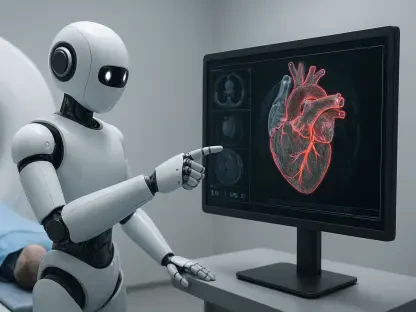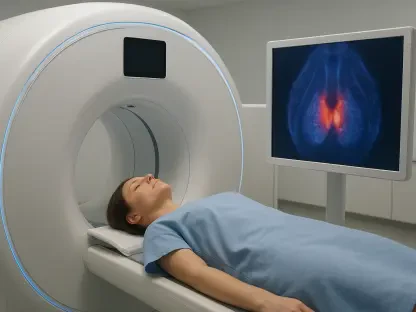

Advanced machine learning models are now capable of interpreting preoperative MRI scans to identify highly aggressive liver tumors before a surgical incision is ever made. This breakthrough, originating from a significant multicenter research initiative in China, represents a pivotal shift in how
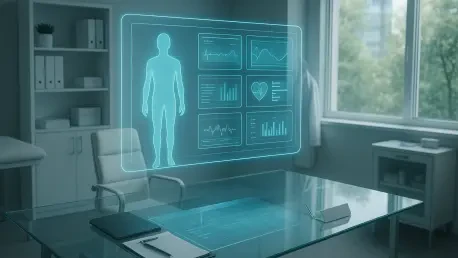
Patients are increasingly willing to trade the human touch for speed when it comes to logistical tasks like scheduling appointments, with fifty-seven percent preferring immediate automated responses over human interaction. This shifting preference marks a pivotal moment in modern medicine, as

Under the leadership of Prof. Mohanasankar Sivaprasad, the TARaNGaM hub at IIT Madras is developing next-generation diagnostics for currently unmet clinical needs. This initiative forms a critical part of a broader national strategy by the Indian Council of Medical Research to revolutionize the

Actionable intelligence gathered from these informal workarounds reveals a significant need for software engineering fixes that prioritize the actual movement of clinical labor over data rigidity. The United States Department of Veterans Affairs is currently navigating a monumental shift in its
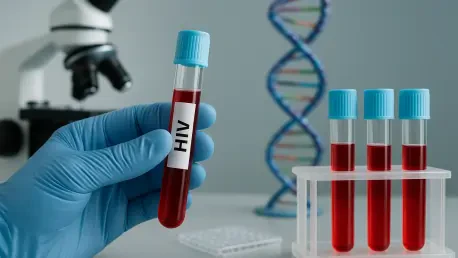
Economic barriers to advanced diagnostics are falling as the cost of DNA quantification in major Chinese medical centers is now comparable to standard RNA viral load testing. This shift is critical as the global effort to eradicate HIV/AIDS continues to be anchored in the ambitious 95-95-95 targets
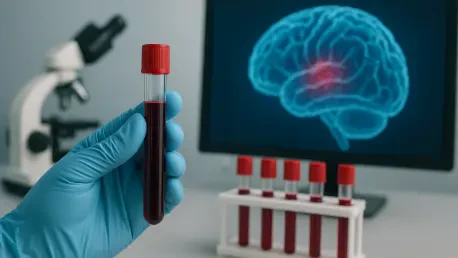
The collaboration between Quanterix and Innovita leverages localized manufacturing and regulatory expertise to bring advanced diagnostic kits to the Chinese healthcare market. This initiative emerges as a critical response to the mounting pressure on the region's medical infrastructure, which