
Scaling mobile health interventions requires navigating complex scope-of-practice regulations that dictate the clinical decisions paramedics can make independently. This challenge is at the heart of the “Mighty Heart” program, an initiative led by the Columbia University School of Nursing to address the precarious period following hospital discharge for heart failure patients. This timeframe, often called the “vulnerable window,” is characterized by a high risk of readmission as patients struggle to manage complex medication regimens and monitor subtle physiological changes. By deploying specially trained paramedics into domestic settings, the program creates a clinical extension of the hospital. These professionals provide a critical safety net, ensuring that minor health fluctuations do not escalate into full-blown medical crises. This shift represents a broader evolution in modern medicine, moving away from reactive, hospital-centered models toward proactive, home-based care strategies.
A Hybrid Approach: Clinical Assessment and Real-Time Connectivity
The Mobile Integrated Health (MIH) framework redefines the traditional role of paramedics, expanding their utility from emergency response to longitudinal clinical management. In the Mighty Heart program, these professionals operate as hybrid clinicians capable of performing comprehensive home evaluations that go beyond basic vital sign checks. During a visit, a paramedic conducts thorough medication reconciliations, assesses physical symptoms like edema or respiratory distress, and monitors for sudden weight gain—a key indicator of fluid retention. This physical presence is vital because it captures data points that remote sensors might miss, such as a patient’s mobility within their living space or the cleanliness of their environment. By identifying these nuances early, the care team can intervene before a patient’s condition worsens, effectively turning a private residence into a sophisticated monitoring site that maintains the high clinical standards without associated costs.
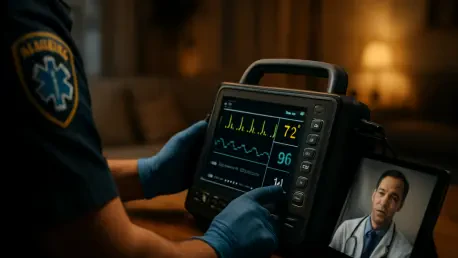
Parallel to the physical evaluation is a robust telehealth infrastructure that bridges the geographical gap between the home and the hospital. While the paramedic provides the “hands-on” component, high-definition video conferencing and integrated diagnostic tools allow hospital-based specialists to participate in the assessment in real time. This “high-tech, high-touch” synergy enables physicians and advanced practice nurses to apply their diagnostic expertise to the data being gathered on-site. If a patient shows signs of decompensation, the specialist can immediately adjust dosages or order further tests, with the paramedic executing these changes instantly. This collaborative model eliminates the need for patients to endure the physical and logistical strain of traveling to a clinic for routine follow-ups. By merging on-the-ground clinical skill with remote specialist oversight, healthcare systems create a more responsive and personalized ecosystem for chronic disease management.
Patient Perspectives: The Value of Domestically Centered Care
Patient and family feedback reveals a profound preference for medical monitoring that occurs within the comfort and security of the home. For individuals dealing with limited mobility or a lack of reliable transportation, the ability to receive a professional evaluation without leaving their house removes one of the most significant barriers to successful recovery. The emotional impact of this model is equally significant; caregivers often report a substantial reduction in the anxiety typically associated with post-discharge care. Knowing that a trained professional will regularly assess their loved one alleviates the psychological burden of managing a complex condition in isolation. This sense of security fosters a more positive environment for healing, as patients feel supported rather than overwhelmed by the demands of their recovery plan. Consequently, the MIH model serves not only as a clinical intervention but also as a vital psychosocial support system for families navigating heart failure.
From a clinical perspective, home visits reveal “invisible” data that is frequently lost in a traditional office-based setting. When a paramedic enters a patient’s home, they gain a direct view of the social determinants of health that impact medical adherence and long-term outcomes. For instance, they might discover that a patient is struggling to afford their prescriptions, lacks access to nutritious food, or is confused by complex discharge instructions provided at the hospital. These environmental and social factors are often the root causes of treatment failure, yet they are rarely addressed during a brief clinic appointment. By relaying these observations back to the broader care team, paramedics allow clinicians to translate medical advice into practical, actionable behaviors that fit the patient’s specific life circumstances. This holistic approach ensures that the medical strategy is grounded in reality, increasing the likelihood that the patient will maintain stability outside the hospital.
Institutional Evolution: Culture and the Catalyst of Change
The success of MIH programs is heavily predicated on an institution’s internal culture and the strength of its interdisciplinary leadership. Findings from the Columbia study suggest that the most effective implementations occur when emergency medicine, nursing departments, and hospital administration work in close unison. For a program like Mighty Heart to achieve long-term viability, it must be viewed as an integrated clinical workflow rather than a temporary or experimental pilot project. This level of organizational commitment ensures that the necessary resources—such as specialized training for paramedics and advanced telecommunication hardware—are consistently available. When leadership prioritizes cross-departmental cooperation, it breaks down the traditional silos that often hinder patient care. By establishing clear protocols and shared goals, healthcare institutions can build a stable foundation that allows mobile health teams to manage complex patients effectively, ensuring that the hospital remains a place for acute intervention.
The recent global health landscape, shaped by the needs of the previous years, has acted as a significant catalyst for the widespread adoption of mobile health strategies. As telemedicine became a standard component of healthcare delivery, both providers and patients grew increasingly comfortable with digital consultations and remote monitoring technologies. This shift in behavior essentially redrew the boundaries of where “hospital-level” care could safely occur, demonstrating that sophisticated medical oversight is both feasible and effective in a domestic setting. The cultural momentum gained during this period has paved the way for programs like Mighty Heart to gain wider institutional acceptance and community trust. By leveraging this familiarity with digital health tools, healthcare systems are now better positioned to scale these interventions. The transition is no longer seen as a radical departure from the norm but as a necessary evolution of a healthcare system striving to meet patients where they are most comfortable and safe.
Strategic Integration: Overcoming Operational and Regulatory Barriers
Implementing a successful MIH program involves overcoming substantial operational hurdles, ranging from logistical coordination to data security. Managing a mobile workforce requires sophisticated scheduling software that can account for travel times and varying levels of patient acuity throughout the day. Furthermore, ensuring that the data collected in the field is transmitted securely and integrated seamlessly into the hospital’s electronic health record system is a technical necessity. Without a reliable and fast information exchange, the benefits of real-time monitoring are lost to administrative delays. Additionally, programs must navigate regional variations in healthcare laws that define the clinical actions paramedics can perform. Creating strict escalation protocols is essential to ensure that when a patient’s condition exceeds a paramedic’s scope of practice, a supervising physician is engaged immediately. These technical and procedural frameworks are the backbone of any mobile health initiative.
The relationship between emergency medical teams and cardiology specialists serves as the cornerstone of the Mighty Heart model’s effectiveness. Before launching such a program, clinicians must establish mutual trust and agree upon specific pathways for managing patient deterioration or adjusting high-risk medications. This collaborative planning prevents the default response of immediate transportation to the emergency room, which often occurs when communication is fractured. By defining when a patient can safely remain at home and under what conditions they must be admitted, the care team can provide more nuanced and targeted interventions. These pre-negotiated agreements allow paramedics to act with confidence, knowing they have the full support and clinical guidance of the patient’s specialized doctors. Strengthening these interdisciplinary bonds is a proactive measure that reduces the burden on emergency departments and ensures that hospital resources are reserved for the most critical cases, while chronic conditions are managed in the community.
Future Pathways: Financial Sustainability and Outcome-Based Models
The primary obstacle to the long-term viability of mobile integrated health resided in the outdated nature of traditional medical reimbursement systems. Historically, emergency medical services were compensated primarily for the transportation of patients to a hospital, creating a financial paradox where preventing a visit resulted in lost revenue. For programs like Mighty Heart to move beyond the experimental phase, the industry needed to transition toward payment models that prioritized health outcomes and cost avoidance over service volume. Establishing dedicated reimbursement codes for home-based clinical evaluations and preventative monitoring was a crucial step in aligning financial incentives with patient wellness. This shift encouraged healthcare providers to invest in mobile teams, recognizing that keeping a patient stable at home was more cost-effective than managing a readmission. By proving that MIH could reduce total healthcare spending, advocates successfully argued for an equitable distribution of clinical funds.
Moving forward, the focus turned to creating standardized frameworks that could be replicated across different healthcare regions and demographic populations. The success of initial programs provided a blueprint for how to integrate paramedics into the primary care and cardiology networks effectively. Future considerations involved the use of predictive analytics and artificial intelligence to identify which patients were most likely to benefit from home-based interventions, allowing for even more targeted resource allocation. Healthcare leaders began to advocate for national policies that supported the expansion of MIH, ensuring that rural and underserved communities could access the same level of sophisticated heart failure care as urban centers. By embracing these innovative strategies and continuing to refine the intersection of technology and hands-on clinical skill, the medical community established a sustainable path for managing chronic diseases. This evolution transformed the home into a vital hub of the entire medical system.