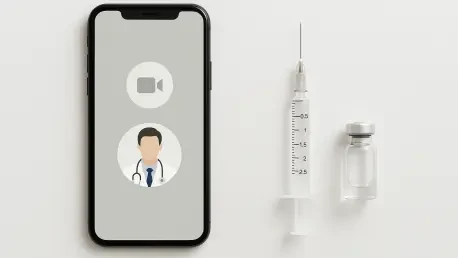

The landscape of breast cancer therapy is shifting away from the rigid confines of the infusion chair and toward the sanctuary of the home, as medical systems look to prioritize patient autonomy. Research recently published in JAMA Network Open suggests that virtual oversight allows medical teams to maintain safety while decentralizing routine oncology injections. This evolution is particularly relevant for patients requiring gonadotropin-releasing hormone (GnRH) agonist therapy, a cornerstone of treatment for premenopausal women with hormone-receptor-positive breast cancer. Traditionally, these essential medications necessitated monthly or quarterly trips to a specialized facility for administration by professional medical staff. While the injections themselves are relatively brief procedures, the cumulative impact of these recurring appointments creates a logistical hurdle that often interferes with a patient’s professional life and personal well-being. By moving this routine yet critical task into the residential setting, providers aim to preserve the high standards of clinical efficacy while significantly reducing the secondary burdens associated with long-term cancer management.
Advancing Care Through Remote Support
The Hybrid Framework: Coordinating Home-Based Administration
The shift toward home administration for GnRH agonists represents a meticulously designed hybrid model rather than a simple delegation of clinical tasks to the patient. This framework operates through a sophisticated coordination between the primary oncology team, specialized pharmacies, and insurance providers to ensure that the medication reaches the patient in a sterile and timely manner. At the core of this transition is a structured training program that empowers both the patient and their designated caregivers to manage the preparation and administration process themselves. This education covers everything from the initial unboxing of the medication to the specific techniques required for effective dosing.
By establishing this level of support, the healthcare system ensures that moving the injection site from the clinic to the living room does not dilute the quality of the medical intervention. Furthermore, this decentralization strategy acknowledges that the success of at-home therapy depends on a robust supply chain that bridges the gap between the manufacturer and the end user. Specialty pharmacies play a pivotal role here, providing pre-filled syringes or detailed kits that simplify the process for non-professionals. This approach transforms the patient into an active participant in their own recovery journey while allowing facilities to focus on complex cases.
The Virtual Bridge: Telemedicine as a Clinical Safeguard
Telemedicine functions as the critical clinical link that allows for remote supervision without sacrificing medical quality. Through structured video consultations, healthcare providers observe the injection process in real-time to verify correct technique and site selection. This digital oversight provides a platform for immediate feedback, allowing clinicians to troubleshoot issues and answer questions as they arise. Such interaction maintains the standard of care by ensuring that the medication is administered according to strict protocols. These platforms effectively extend the reach of the oncology clinic into the home environment.
Beyond technical guidance, virtual platforms enable continuous monitoring of potential side effects and dosing schedules. Clinicians utilize these digital checkpoints to document patient progress and confirm that storage requirements, such as refrigeration, were consistently met. This constant availability of professional support reduced the anxiety often associated with self-administration. By leveraging high-quality communication tools, oncology teams successfully expanded their oversight beyond the clinic walls, creating a secure environment for home care. This technological bridge ensures that physical distance does not translate into a decrease in clinical vigilance.
Evaluating Patient Impact and Systemic Challenges
Reclaiming Time: Minimizing the Daily Disruption of Therapy
A primary finding of the investigation into home-based injections was the substantial reduction in the overall treatment burden for patients. By eliminating the need for frequent travel, parking, and time spent in clinic waiting rooms, individuals were able to reclaim significant portions of their daily lives. This improvement in the patient experience is a vital metric in modern oncology, as reducing the disruptions caused by medical appointments can significantly enhance a patient’s emotional well-being. Reclaiming this time allows patients to maintain their professional commitments and spend more quality time with their families.
The logistical ease of home administration also addresses the mental fatigue that often accompanies long-term cancer therapy. When a patient no longer views their treatment as a series of taxing errands, they are more likely to maintain a positive outlook on their recovery process. This shift in the delivery model recognizes that the life of a patient extends far beyond their diagnosis and that healthcare should adapt to those external realities. By streamlining the delivery of routine medications, the oncology community is demonstrating a deeper commitment to the holistic quality of life for those undergoing treatment.
The Financial Challenge: Overcoming Reimbursement Disparities
Despite the clear logistical benefits, the move toward home-based care highlighted significant systemic obstacles regarding insurance coverage and out-of-pocket costs. A complex paradox exists where a model that saves a patient time may actually increase their financial liability due to how medications are categorized by payers. When an injection moves from a medical benefit to a pharmacy benefit, copayments can rise sharply, creating a barrier to access. Addressing these reimbursement structures is essential to ensure that the convenience of home care does not lead to increased financial toxicity.
Solving these financial discrepancies requires a collaborative effort between healthcare providers, insurance companies, and policy advocates. If the system fails to align the costs of home administration with those of in-clinic visits, the benefits of telemedicine-supported care may only be accessible to a limited demographic. Future policy developments must focus on creating a sustainable economic model that rewards efficiency and patient-centered delivery. Ensuring that insurance benefits are flexible enough to cover decentralized care is a critical step in making this modern approach a standard pillar of the American oncology landscape.
Future Integration: Lessons from Decentralized Care Implementation
The overarching trend identified by researchers showed a clear shift toward a more flexible and individualized care delivery system. While the biological goal of suppressing estrogen remained the constant objective, the study proved that the method of delivery could be adapted to fit the patient’s existing lifestyle. Stakeholders observed that successful implementation required a delicate balance between digital innovation and clinical rigor. This evolution demonstrated that patient-centered care was not only possible but highly effective when supported by the right tools and a well-trained medical workforce.
To fully realize the potential of these programs, the healthcare industry looked toward addressing the remaining financial and digital inequities. Policy changes were recommended to align insurance benefits with modern telehealth capabilities, ensuring that home-based care did not impose new financial burdens. Moving forward, the integration of these remote models offered a blueprint for a more resilient and accessible oncology landscape. These advancements paved the way for a future where cancer treatment was defined by its clinical excellence and its respect for a patient’s time. Broadening these initiatives could soon revolutionize routine care for various chronic conditions.