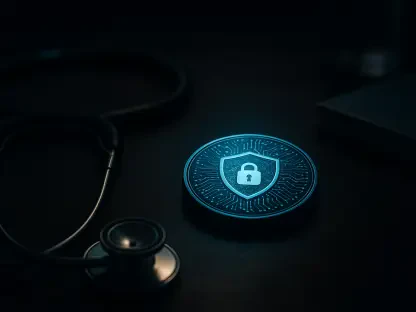

Physicians are strictly prohibited from sharing or delegating their digital access tokens to maintain the security of remote medical record authentication. As healthcare continues its rapid transformation toward a fully digital ecosystem, the National Medical Commission (NMC) has stepped in to

Researchers at Wake Forest University are investigating whether a virtual-first approach can help patients overcome the systemic barriers that frequently hinder blood pressure control. High blood pressure, often termed the silent killer, remains a significant public health challenge in the United
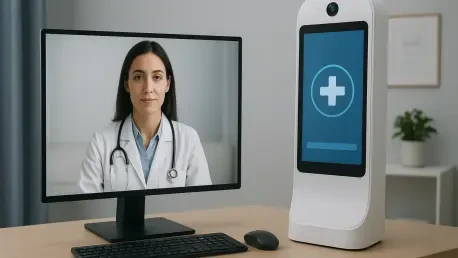
Ingenio Medical Group intends to function as the connective tissue between disparate healthcare settings, such as virtual clinics, local specialists, and diagnostic laboratories. This initiative emerges at a time when the American healthcare system remains deeply fragmented, often leaving patients

Fraudulent equipment orders signed by telemedicine doctors who never examined their patients have resulted in more than thirty million dollars in false claims against Medicare and TRICARE. This systemic abuse of the healthcare infrastructure reflects a significant challenge in 2026, where the rapid
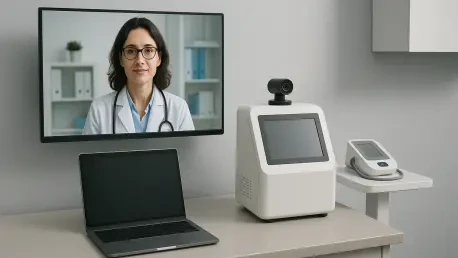
While the consumer interface of a medical website remains simple, the backend must manage a complicated chain of events to ensure clinical and legal compliance. The American telehealth sector has undergone a massive transformation, evolving from a temporary pandemic-era fix into a permanent pillar
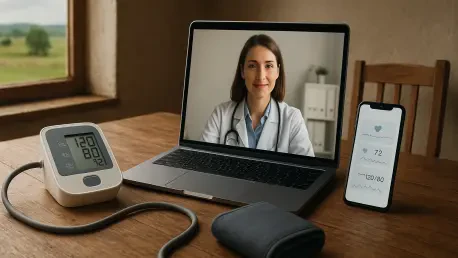
Advocacy groups are urging the Centers for Medicare and Medicaid Services to develop targeted safeguards rather than implementing a total ban on third-party clinical partnerships. This plea comes at a pivotal moment as the federal government prepares to overhaul the reimbursement framework for
1 2 3 4 5 6 7 8 9 10 11 12 13 14 15 16 17 18 19 20 21 22 23 24 25 26 27 28 29 30 31 32 33 34 35 36 37 38 39 40 41 42 43 44 45 46 47 48 49 50 51 52