
Limited public awareness remains a primary obstacle preventing millions of Filipinos from utilizing the free diagnostic services they are entitled to under PhilHealth. Despite the expansion of the PhilHealth Konsulta package, which aims to provide comprehensive outpatient benefits, many families continue to bypass preventive check-ups due to long-standing misconceptions about cost and accessibility. This hesitance often leads to late-stage diagnoses for chronic conditions such as hypertension, diabetes, and various forms of cancer, significantly increasing the burden on the national healthcare system. Recent data suggests that the shift from reactive to proactive care could save the government billions in emergency hospitalizations and long-term treatment costs. However, achieving this transition requires a fundamental change in how health literacy is disseminated across both urban centers and remote rural provinces. Strengthening the primary care network is essential for creating a sustainable health environment where every citizen understands that their right to health begins with a simple, early screening rather than an emergency room visit.
Modernizing the National Diagnostic Infrastructure
Digital Integration: The Role of Unified Health Records
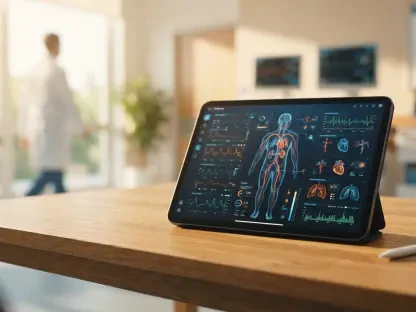
The integration of the Electronic Health Record system across municipal health offices marks a significant milestone in streamlining patient data management for the current year. By centralizing medical histories, healthcare providers can now track patient progress from 2026 to 2028 with unprecedented precision, ensuring that diagnostic results are not lost in a fragmented paper-based system. This digital transformation allows for the automatic flagging of high-risk patients who are overdue for routine screenings, such as mammograms or fasting blood sugar tests. Furthermore, the interoperability between private diagnostic centers and public hospitals ensures that a patient’s laboratory data follows them regardless of where they seek treatment. This connectivity reduces the need for redundant testing, which has historically drained both personal finances and public resources. As the system matures, the ability to utilize predictive analytics will further enhance the capacity of local health units to identify potential outbreaks of non-communicable diseases before they reach a critical mass within the community.
Remote Access: Telemedicine and Mobile Screening Units
Telemedicine platforms have emerged as a vital bridge for geographically isolated and disadvantaged areas where specialized diagnostic equipment is often scarce. By utilizing high-definition video consultations and mobile diagnostic kits, rural health physicians can now consult with specialists in metropolitan areas to interpret complex imaging results in real-time. This approach effectively brings tertiary-level expertise to the barangay level, minimizing the physical and financial barriers that previously prevented remote populations from seeking early intervention. Additionally, the deployment of mobile diagnostic vans equipped with portable X-ray machines and point-of-care testing tools has proven effective in reaching indigenous communities and offshore islands. These mobile units are integrated into the PhilHealth reimbursement framework, ensuring that the services remain free at the point of care. The synergy between mobile technology and localized healthcare delivery is proving that physical distance should no longer be a determinant of health outcomes. This model not only improves diagnostic rates but also fosters a sense of inclusivity within the national health agenda.
Socio-Economic Impacts of Early Detection
Community Engagement: The Impact of Local Health Workers
The success of early diagnosis initiatives depends heavily on the frontline efforts of Barangay Health Workers who serve as the primary link between families and the formal medical system. Investing in the continuous professional development of these community leaders is essential for translating complex medical guidelines into actionable advice for the average citizen. Training programs now focus on equipping these workers with the skills to perform basic screenings, such as blood pressure monitoring and glucose testing, during routine home visits. This proactive outreach helps normalize the concept of regular health check-ups, gradually eroding the culture of fear regarding medical results that persists in many low-income neighborhoods. By incentivizing community workers through performance-based grants, local government units are seeing a measurable increase in the number of residents registering for preventive services. This grassroots movement ensures that the push for early diagnosis is not seen as a top-down mandate but as a community-driven effort to protect the well-being of every household.
Strategic Pathways: Scaling Preventive Care Nationally
Stakeholders recognized that achieving universal health coverage required more than just policy changes; it demanded a total reimagining of the patient journey. Moving forward, the government prioritized the expansion of laboratory networks to ensure that even the smallest municipalities had access to advanced screening technologies like molecular diagnostics. Public-private partnerships played a crucial role in this endeavor, as private firms provided the necessary technical infrastructure while the public sector ensured equitable access through PhilHealth subsidies. Educational campaigns were redesigned to target younger demographics, instilling the value of preventive health from an early age through school-based programs. This multi-sectoral approach fostered a culture of health consciousness that extended beyond the walls of hospitals. By addressing the social determinants of health, such as nutrition and sanitation, alongside clinical diagnostics, the country moved closer to a holistic healthcare model that focused on long-term wellness rather than acute intervention.