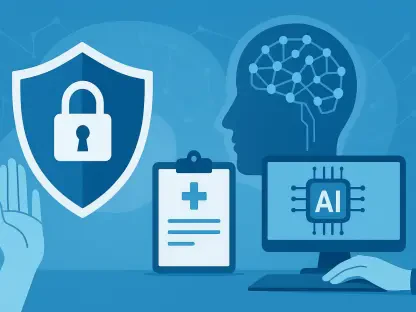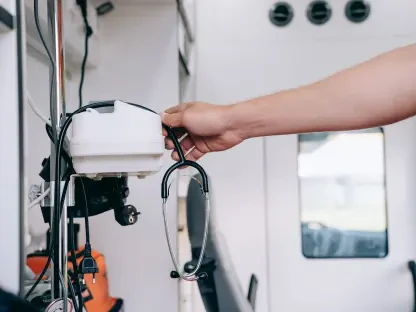

Healthcare workers in Jamaica are receiving the necessary tools to improve administrative efficiency and clinical accuracy through recent technological upgrades. This transition is largely driven by a structured alliance with the diaspora, which has moved beyond financial aid toward providing high-level technical expertise. By establishing specialized networks of medical professionals abroad, the island is now integrating sophisticated systems that streamline patient triage and clinical documentation. These advancements are essential for alleviating the burden on urban medical centers where manual systems previously led to significant delays in care delivery. The deployment of advanced networking infrastructure in rural clinics has enabled a more cohesive approach to public health, ensuring that patient data is accessible across the entire healthcare network. This evolution is fostering a clinical environment where decisions are guided by real-time analytics, marking a shift toward a modern, data-driven system that effectively bridges the gap between local resources and international standards of care for every citizen.
Strengthening Infrastructure: Technological Integration and Resource Allocation
Modernizing Diagnostic Capabilities: Digital Solutions for Patient Care
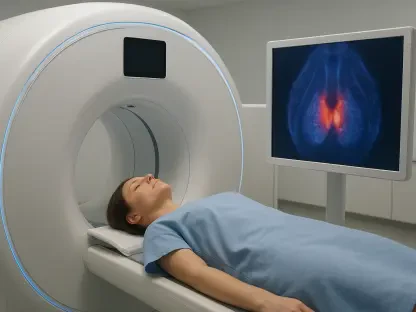
The modernization of diagnostic facilities has fundamentally altered the standards of preventative care available throughout the nation. Through collaborative efforts with diaspora-led foundations, regional hospitals have successfully upgraded their imaging suites with high-resolution digital X-ray and ultrasound equipment. These tools allow physicians to identify chronic illnesses and oncological conditions with a degree of precision that was once only possible through expensive overseas travel. Furthermore, the integration of cloud-based diagnostic platforms enables local doctors to consult with international specialists in real-time, ensuring that complex cases benefit from a global pool of expertise. This connectivity is particularly impactful in the field of pathology, where rapid data sharing can accelerate the commencement of life-saving treatments for patients in underserved areas. These upgrades provide a foundation for more equitable healthcare delivery nationwide, ensuring that the highest medical standards are maintained regardless of a facility’s size or specific location.
Enhancing Data Management: Implementing Comprehensive Health Records
Standardizing patient information through a unified electronic health record system has resolved many of the systemic inefficiencies that previously hindered clinical continuity. Under the guidance of technical experts from the overseas community, the health ministry has implemented a secure digital registry that tracks patient history and medication protocols across all public facilities. This initiative minimizes the risks associated with missing paper files and reduces the likelihood of adverse drug reactions during emergency procedures. The system also includes predictive analytics modules that assist administrators in tracking the distribution of essential medicines, thereby preventing critical shortages in high-demand areas. By leveraging the software development skills of the diaspora, the government has ensured that these platforms are both resilient and tailored to the unique operational needs of the Caribbean environment. This digital foundation not only improves immediate patient outcomes but also provides the long-term data necessary for more effective public health planning and strategic resource allocation.
Human Capital Development: Knowledge Exchange and Clinical Training
Collaborative Education: Professional Mentorship Programs
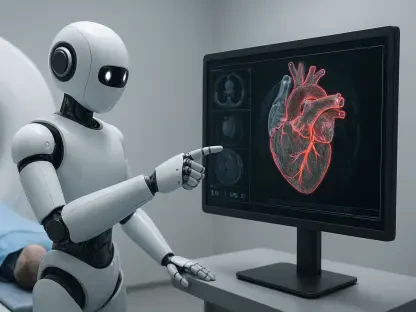
The transfer of clinical knowledge from the diaspora to local practitioners is serving as a cornerstone for the long-term sustainability of the medical sector. Beyond the donation of hardware, international experts are participating in comprehensive mentorship programs designed to enhance the skills of the local workforce. These programs include virtual surgical demonstrations and weekly tele-health seminars where specialists share the latest protocols for managing complex cardiovascular and neurological conditions. Such interactions have directly led to the establishment of advanced specialty units within public hospitals, allowing more complicated procedures to be performed locally. This continuous professional development ensures that the nursing and surgical staff are well-equipped to operate the new digital and robotic tools being introduced to the facilities, creating a culture of clinical excellence. By investing in human capital, the diaspora helps empower Jamaican healthcare professionals to deliver world-class care while remaining at the forefront of global medical trends and innovative practices.
Strategic Sustainability: Institutional Frameworks and Next Steps
To maintain the momentum of these technological upgrades, stakeholders finalized a strategic roadmap that focused on institutional resilience and policy modernization. They established a permanent liaison office to coordinate international donations with national health priorities, ensuring that every contribution addressed a specific, documented need. Policymakers also implemented new legal frameworks for telemedicine, which provided a clear path for expanding remote consultations while strictly protecting patient data privacy. Additionally, dedicated maintenance funds were set up to provide for the continuous servicing and software calibration of high-tech medical equipment, preventing the problem of hardware obsolescence. These coordinated actions were designed to shift the relationship with the diaspora from a reactive model to a proactive partnership that prioritized the long-term health of the population. By securing these administrative and technical foundations, the nation moved toward a future where healthcare was defined by its efficiency, its accessibility, and its ability to adapt to new global challenges.