
Health equity is fundamentally about ensuring that everyone receives the care they need, regardless of demographic factors such as race, ethnicity, religion, sex, gender, or age. In the United States, the ability to pay plays a significant role in access to care, though this is not as prevalent an

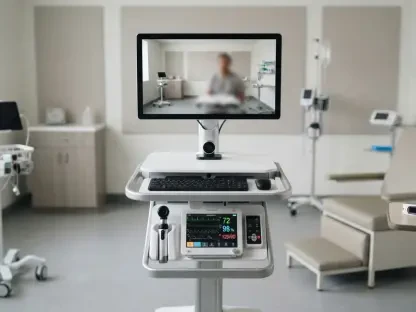
Telemedicine has revolutionized healthcare delivery, particularly in remote and underserved regions. By enabling patients to access medical services from the comfort of their homes, telemedicine has bridged gaps in healthcare accessibility and convenience. The integration of artificial intelligence

President Joe Biden recently enacted a funding bill carrying significant implications for the healthcare sector. This legislation addresses key areas such as telehealth flexibilities, Medicare payment cuts for physicians, and pharmacy benefit managers (PBMs). The bill's contents, stakeholder

The African continent is witnessing a transformative wave in its healthcare sector, driven by the rise of Healthtech startups. These innovative companies are leveraging technology to address long-standing healthcare challenges, improve accessibility, and enhance the quality of medical services. The

The healthcare sector is grappling with an unprecedented rise in cyber threats, as the increasing reliance on digital infrastructure makes it a prime target for cybercriminals who exploit vulnerabilities. As we approach 2025, it's vital to assess whether healthcare organizations are ready to face

At Freeman School, an innovative telemedicine program has been introduced to provide students with an alternative to missing school due to health issues. This program employs telemedicine technology, enabling nurse practitioners like Whitney Franklin to perform medical examinations remotely. School