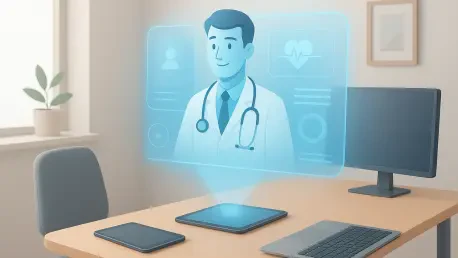

Specialists note that remote sessions can hide subtle physical indicators of distress that would be immediately apparent during a face-to-face office visit. The legal proceedings following the tragic events involving Lindsay Clancy have brought these technological gaps into sharp focus, raising critical questions about the sufficiency of virtual mental healthcare for high-risk patients. While telehealth expanded access to services during previous public health crises, the reliance on digital screens can create a dangerous barrier when a patient is spiraling into postpartum psychosis or other severe conditions. Clinicians often depend on doorway assessments, observing how a patient walks, smells, or reacts to the physical environment, which are sensory details lost in a standard video call. As the medical community examines the timeline of treatment, which reportedly included numerous medications and remote consultations, the debate centers on whether a physical presence could have detected the escalating crisis.
The Technical Blind Spots: Challenges of Remote Observation
Beyond the emotional connection, the technical constraints of current communication platforms often obscure the physiological markers essential for accurate diagnosis. Video compression and limited camera angles frequently mask tremors, rapid breathing, or skin pallor, which are primary indicators of a patient’s deteriorating mental state. In the context of medication management, where a provider might prescribe dozens of different psychotropic drugs over a short period, the inability to perform a physical exam becomes a liability. Akathisia, a movement disorder often caused by high-potency antipsychotics, involves a physical restlessness that is easily missed if the patient is only seen from the shoulders up. Furthermore, the digital divide is not merely about internet speed but about the sensory data that informs a clinician’s intuition. When a psychiatrist cannot see a patient’s hands shaking under a table, the diagnostic picture remains dangerously incomplete and potentially misleading.
The rapid evolution of psychiatric delivery systems from 2026 to 2028 has prioritized convenience and scale over the intensity of clinical observation required for acute psychopathology. While virtual platforms are highly effective for low-acuity management such as general anxiety or mild depression, they were never designed to manage the volatility of conditions like postpartum psychosis. The Clancy case highlights a systemic failure where the convenience of a remote follow-up may have replaced the necessary rigors of a comprehensive in-person evaluation. Current software lacks the integrated biometric feedback necessary to compensate for this lack of physical proximity, leaving doctors to rely almost entirely on self-reporting from patients who may be too delusional to provide accurate data. This reliance on a patient’s subjective narrative during a screen-based interview can result in a false sense of security, as individuals in crisis often mask their symptoms during digital sessions.
Refining Standards: The Future of Hybrid Mental Healthcare
Addressing these vulnerabilities requires a rigorous reevaluation of medical licensing and standard-of-care protocols that currently govern telepsychiatry. Healthcare systems are now looking toward tiered diagnostic frameworks that mandate in-person evaluations for any patient undergoing significant medication changes or exhibiting signs of severe mood disorders. State boards are considering policies that would require a physical examination every time a patient is transitioned between high-potency medications, ensuring that clinicians can observe the full range of physical responses to new chemical interventions. This approach moves away from the virtual-first mentality that has dominated the industry, repositioning digital tools as a supplementary rather than a primary mode of care for high-risk demographics. By establishing clear red-flag protocols that trigger an automatic shift to office visits, providers can better manage the risks of misdiagnosis and ensure that the most vulnerable patients remain safe.
Looking ahead, the integration of advanced biometric sensors and ambient intelligence offered a partial solution to the gaps identified in recent legal cases. Wearable devices that tracked heart rate variability, sleep patterns, and gait provided clinicians with objective data to supplement the limited visual information provided by video calls. However, technology served as an enhancement to, rather than a replacement for, the nuanced human interaction found in traditional clinical settings. Medical professionals were encouraged to prioritize the development of hybrid models that leveraged the strengths of both remote and physical care, ensuring that every patient received a level of scrutiny commensurate with their clinical risk profile. Moving forward, the industry emphasized the importance of longitudinal physical monitoring and fostered a culture where the safety of the patient outweighed the efficiency of the digital platform. These steps were taken to rebuild trust in psychiatric systems worldwide.