
Shortening the mandatory five-year service commitment for grant recipients could help stabilize the dwindling healthcare workforce in underserved rural regions. For decades, the closure of small-town hospitals has forced residents to travel hours for basic screenings or specialized care, creating a dangerous gap in health equity. The rapid evolution of telecommunications technology has offered a lifeline, but the sustainability of this model relies on more than just high-quality video feeds. It requires a fundamental restructuring of how rural clinics operate and how providers are incentivized to remain in these communities. While the adoption of remote care tools initially surged as a response to necessity, it has now matured into a deliberate strategy for survival. By integrating digital diagnostics with traditional hands-on care, rural systems are attempting to overcome the physical barriers of distance. However, the question remains whether these technological interventions can fully replace the shrinking footprint of brick-and-mortar facilities. Success hinges on a combination of legislative support, patient trust, and the reliable deployment of high-speed connectivity across the American heartland.
Technological Infrastructure: The Foundation of Remote Care
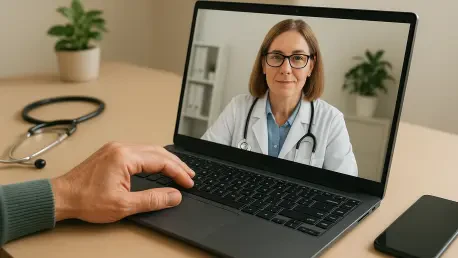
The realization of a functional telehealth network depends heavily on the expansion of high-speed broadband into areas where cellular signals remain notoriously unreliable. In the current landscape, federal initiatives have prioritized fiber-optic and satellite deployments to ensure that even the most isolated farming communities can maintain a stable connection for high-definition video consultations. This infrastructure is not merely a convenience but a critical component of medical safety, as lag times or disconnected calls can lead to misdiagnoses or incomplete patient assessments. Modern rural health hubs are now utilizing advanced cellular boosters and dedicated public-safety networks to provide a redundant layer of connectivity. These advancements allow local providers to consult with world-class specialists in real time, bringing academic-level expertise to community clinics. Without this physical backbone of connectivity, the promise of virtual medicine would remain an urban luxury rather than a rural reality. As investments continue to flow into rural internet projects, the disparity between city and country health outcomes is beginning to narrow.
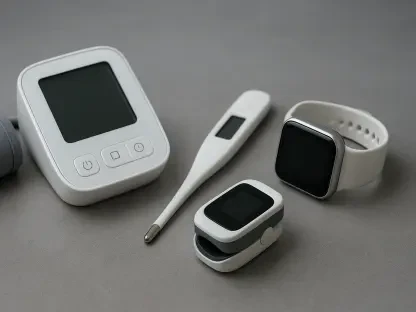
Beyond basic video calls, the integration of remote patient monitoring devices has fundamentally changed the management of chronic conditions such as diabetes and hypertension. Rural patients now utilize wearable sensors and Bluetooth-enabled medical equipment that transmit vital statistics directly to their primary care teams without requiring a trip to the doctor’s office. These tools provide a continuous stream of data, allowing for early intervention before a manageable health issue escalates into an emergency room visit. For a rancher living fifty miles from the nearest hospital, a smart blood pressure cuff that alerts a nurse to a spike in readings is a life-saving innovation. Furthermore, artificial intelligence platforms are being deployed to sort through this influx of data, highlighting the most at-risk patients for immediate follow-up. This proactive approach alleviates the burden on local clinics, which often operate with limited staffing and resources. By transforming the home into a point of care, technology is effectively extending the walls of the hospital into the most remote corners of the country, ensuring that distance no longer dictates a patient’s prognosis.
Legislative Support: Ensuring Long-Term Financial Viability
The transition from temporary emergency waivers to permanent legislative frameworks has been the most significant hurdle for the longevity of rural telehealth services. Insurance providers and government programs like Medicare have had to normalize reimbursement rates, ensuring that a virtual visit is compensated at the same level as an in-person consultation. This financial parity is essential for small hospitals that operate on razor-thin margins and cannot afford to subsidize underfunded digital programs. Legislators are increasingly focused on simplifying the complex web of cross-state licensing, which previously prevented doctors in one state from treating patients just across a border. By streamlining these regulations from 2026 to 2028, the medical community can create regional networks of care that pool resources and expertise. This shift in policy reflects a growing consensus that virtual care is an equivalent, and sometimes superior, method of delivery for routine check-ups and follow-up appointments. As these billing structures stabilize, rural administrators are gaining the confidence to invest in long-term digital strategies rather than viewing telehealth as a temporary stopgap.
The integration of virtual health systems provided a necessary blueprint for addressing the severe shortages of medical personnel in the most isolated regions of the country. Leaders in the healthcare sector recognized that technology alone was not a panacea; rather, it functioned as a vital bridge to a more integrated and flexible delivery model. To secure this progress, stakeholders focused on deepening the collaboration between academic medical centers and local practitioners. They implemented training programs that taught nursing students how to navigate digital diagnostic tools alongside traditional clinical methods. Efforts to improve digital literacy among the elderly population proved successful in increasing engagement and reducing the fear associated with using new platforms. Policy experts advocated for continued public-private partnerships to maintain the hardware and software necessary for these operations. Ultimately, the move toward permanent telehealth solutions demanded a sustained commitment to equity and innovation. By prioritizing the human element of digital care, the medical community established a foundation that allowed rural patients to access high-quality services regardless of their physical location.