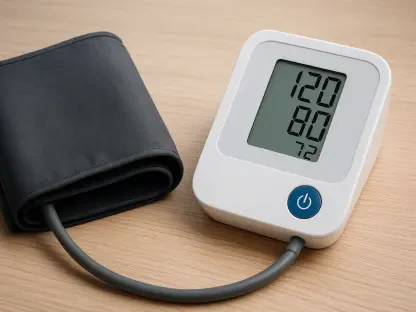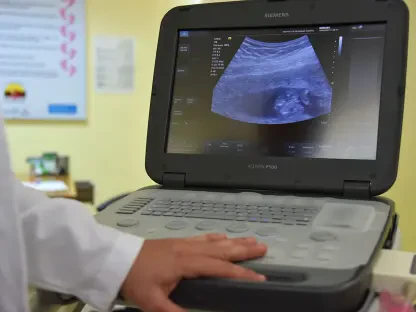

Results from portable diagnostic devices allow clinicians to identify serious infections or cardiac events without waiting for a traditional laboratory analysis. This development represents a cornerstone of the Scottish Ambulance Service’s mission to bridge the healthcare divide between urban centers and the rugged, isolated terrains of the Highlands and Islands. Historically, distance often dictated emergency outcomes, as the time required for transport to a centralized facility delayed critical interventions. By equipping paramedics with advanced point-of-care testing units, the system effectively brings hospital-grade diagnostic accuracy directly to the patient’s doorstep. This shift ensures that life-saving decisions are guided by empirical data rather than purely clinical observation. Whether managing a suspected cardiac episode or the early onset of sepsis, the ability to obtain immediate results allows for rapid triaging into appropriate care pathways, thereby optimizing the entire response chain.
Enhancing Emergency Response in Rural Regions
Bridging the Gap: The Role of Rapid Testing
The introduction of handheld analyzers like the LumiraDx platform has significantly expanded the diagnostic toolkit available to paramedics in the field. These devices utilize microfluidic technology to measure biomarkers such as troponin and C-reactive protein using only a small blood sample. In remote areas where a journey to the nearest emergency department might involve a ferry or a lengthy drive through mountain passes, the value of these immediate results cannot be overstated. By quantifying the severity of a condition on-site, paramedics can determine with a high degree of certainty whether a patient requires an urgent air evacuation or can be safely treated within the local community. This assessment reduces the reliance on precautionary hospital admissions, which often place unnecessary stress on patients. The portability and rugged design of these units ensure they remain functional in harsh environmental conditions, maintaining high standards of care regardless of the location.
Clinical Efficiency: Streamlining the Diagnostic Process
Integrating these portable diagnostic tools into the digital health infrastructure has transformed the workflow of emergency medical technicians. When a test is performed at the scene, the digital results are synchronized with the patient’s health record and shared with regional medical hubs. This connectivity allows consulting physicians to review live data and collaborate with field paramedics to refine the treatment plan before the patient even arrives at a facility. For conditions like acute coronary syndrome, where every second counts, having a specialist pre-interpret the findings means that the receiving hospital can mobilize the necessary resources in advance. This coordinated approach not only improves patient survival rates but also maximizes the use of specialized hospital facilities. By ensuring that only those in genuine need of acute intervention are transported to major centers, the system maintains greater capacity for high-acuity cases while reducing the overall burden on the network.
Strategic Implementation and Future System Integration
Economic Impact: Reducing Unnecessary Hospital Admissions
From a structural perspective, the economic benefits of decentralized diagnostics are profound, particularly within a public health system facing resource constraints. Every unnecessary hospital admission avoided through accurate on-site screening translates into significant cost savings for the National Health Service. These savings are especially pronounced in rural logistics, where the expense of a single helicopter transfer can equal the cost of multiple diagnostic units. By enabling more patients to be managed safely in a community setting, the Scottish Ambulance Service is optimizing its fleet utilization and reducing operational overhead. Furthermore, the ability to rule out life-threatening conditions on the spot prevents the cascading costs associated with prolonged hospital stays for patients who may not have needed intensive care. This fiscally responsible model demonstrates how targeted technological investments lead to long-term sustainability by prioritizing efficiency and accuracy at the first point of contact.
Long-term Scalability: Infrastructure and Training Evolution
The government successfully prioritized the development of robust digital networks to support the seamless transmission of diagnostic data from isolated coastal regions. Paramedics underwent specialized training that moved beyond traditional emergency procedures to include advanced data interpretation and biochemical analysis. This professional development ensured that the workforce remained proficient in utilizing technological advancements to enhance patient outcomes. Clinicians adopted standardized protocols that integrated rapid test findings into the broader decision-making framework, which effectively minimized diagnostic uncertainty. Future considerations focused on expanding the library of detectable biomarkers to include markers for stroke and metabolic crises, offering even greater diagnostic versatility. This initiative proved that geographic isolation was no longer a barrier to receiving high-quality care. By establishing a durable framework for point-of-care testing, the health service demonstrated a proactive approach to modernizing rural medicine.