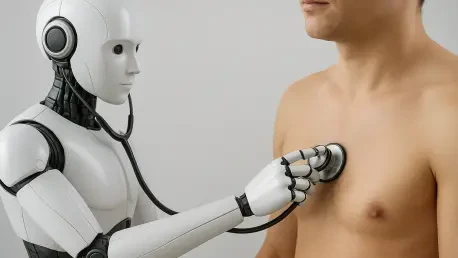
The HEART-POD project utilizes a multidisciplinary approach involving robotics experts and business analysts to assess the economic viability of automation in public health. This innovative collaboration, involving the National Robotarium, Edinburgh Business School, and NHS Tayside, represents a
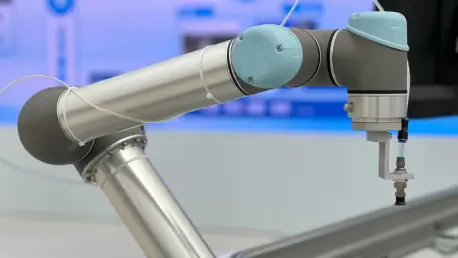
The three-year stall of Harbin Sirui Medical’s STAR Market registration highlights the increasing regulatory skepticism regarding the long-term innovative status and financial health of domestic medical device startups. This institutional caution signals a broader structural transformation within

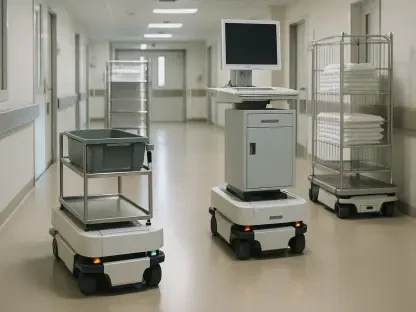
The integration of the NVIDIA-powered A2000 compute module allows the latest hospital automation systems to perceive and interpret complex clinical environments up to 15 times faster than previous models. This technological leap serves as the backbone for the recently unveiled Moxi 2.0, a
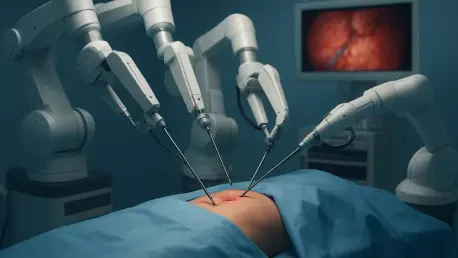
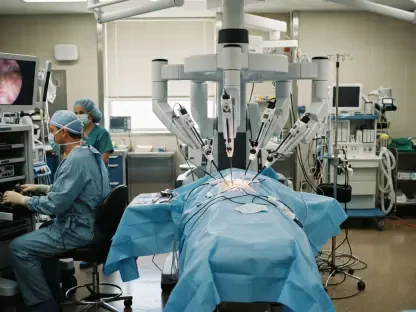
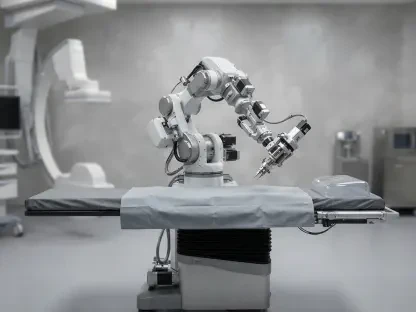
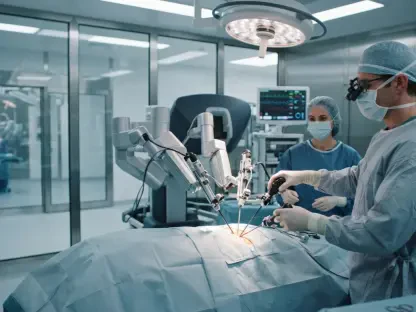
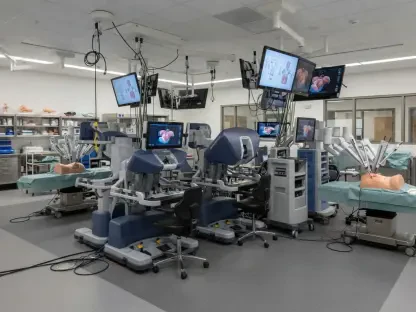
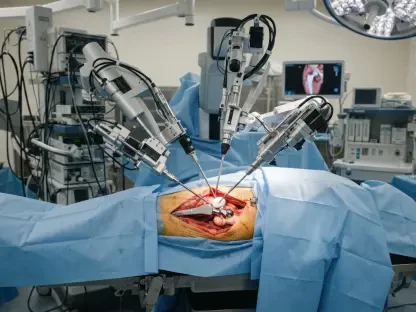
Surgeons utilize robotic arms to achieve a wider range of motion than the human wrist can provide, allowing for delicate maneuvers in tight anatomical spaces. This leap in technology has fundamentally altered the landscape of cancer treatment, moving away from the large incisions of the past. As of

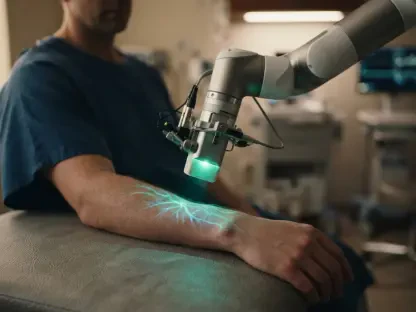
The modern healthcare environment demands a sophisticated equilibrium between the rapid deployment of groundbreaking technologies and the uncompromising mandate for patient safety and clinical efficacy. As surgical robotics and connected therapeutic systems become more integrated into routine care,
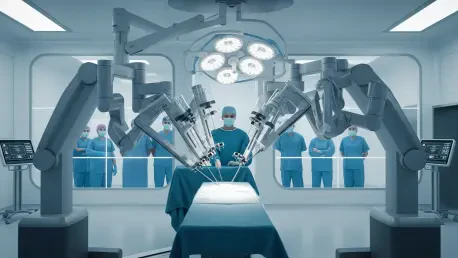
The geographic vastness of the Texas Panhandle has traditionally posed a significant barrier to accessing specialized surgical care, forcing residents to endure long journeys to urban centers for routine procedures. This dynamic shifted dramatically this past July when the Texas Tech University