
The geographic vastness of the Texas Panhandle has traditionally posed a significant barrier to accessing specialized surgical care, forcing residents to endure long journeys to urban centers for routine procedures. This dynamic shifted dramatically this past July when the Texas Tech University Health Sciences Center introduced its inaugural class of general surgery residents to a specialized robotic curriculum. By embedding high-end medical technology directly within the Amarillo medical community, the university effectively bridged the gap between rural healthcare limitations and the sophisticated services typically reserved for top-tier metropolitan medical centers. This initiative ensures that local residents no longer need to navigate the logistical and financial burdens of traveling to Dallas or Houston for complex surgeries. Instead, they can receive cutting-edge treatment closer to home, supported by a new generation of surgeons trained on the most advanced platforms currently available. This localized approach to medical education not only retains talent within the region but also modernizes the regional standard of care.
Evolution of Surgical Technology: Enhancing Precision
From Manual Incisions to Robotic Precision
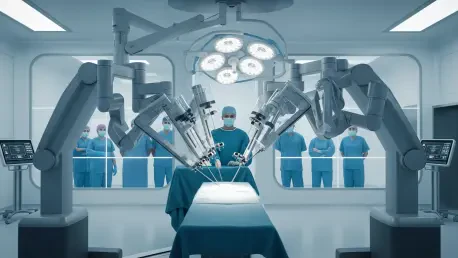
Traditional surgical techniques have undergone a profound transformation, moving away from large, invasive open incisions toward laparoscopic methods that utilize cameras and small access ports. While laparoscopy represented a major leap forward, robotic surgery now defines the current standard of excellence by offering surgeons a three-dimensional view and an extended range of motion that the human hand simply cannot replicate. These robotic systems provide practitioners with multiple degrees of freedom, enabling them to perform highly intricate tasks inside the human body with a level of accuracy that was previously unimaginable. By utilizing digital interfaces, surgeons can filter out minor tremors and execute precise movements within confined anatomical spaces. This technological leap allows for more complex reconstructions and delicate dissections, providing a broader set of technical tools that enhance the safety and efficacy of modern abdominal and thoracic operations. The transition to these automated assistants marks a new era where technology amplifies human skill.
Groundbreaking Advancements in Haptic Feedback
The integration of the Da Vinci 5 platform introduces groundbreaking haptic force feedback, a feature that addresses one of the primary limitations of earlier robotic generations. This sophisticated system allows surgeons to virtually feel the resistance of human tissue through the console controls, which helps them modulate the amount of pressure applied during delicate maneuvers. Research indicates that by providing this tactile data, the technology helps reduce physical trauma to the tissue by approximately 43%, making operations safer than ever before. Furthermore, the system utilizes virtual reality-style imaging to enhance depth perception, allowing for a more intuitive understanding of anatomical structures. This synergy of visual and tactile feedback ensures that surgeons can operate with high confidence, even when navigating the most challenging physiological environments. The result is a refined surgical process that prioritizes patient safety through technological innovation, effectively reducing the risks associated with manual force application during surgery.
The Path to Surgical Mastery: Simulation and Skill
A Low-Stress, Simulation-Based Curriculum
The training philosophy at the Texas Tech University Health Sciences Center prioritizes a low-stress learning environment where residents develop their skills through simulation before ever interacting with a live patient. Because the cognitive load of learning complex robotic controls under pressure can hinder effective skill acquisition, the program utilizes immersive virtual reality scenarios to build fundamental muscle memory and technical proficiency. This methodical approach acknowledges that while experienced surgeons might adapt to the technology within a few months, new residents require a dedicated five-year period to master these tools as a core component of their medical education. By removing the immediate risks associated with the operating room, the curriculum allows trainees to focus entirely on the mechanics of the robot. This ensures that when they eventually transition to real-world cases, their movements are fluid, deliberate, and backed by hundreds of hours of simulated practice. This safety-first model is essential for producing surgeons.
Progressive Training and Technical Proficiency
Trainees follow a strictly structured progression that begins with basic simulator exercises and gradually moves toward fundamental surgical tasks like suturing and knot-tying. As their proficiency grows and their metrics improve, they transition to more complex simulated operations, such as hernia repairs and gallbladder removals, which mirror the challenges of actual clinical cases. This hierarchical training model ensures that every resident is fully prepared for the operating room, having logged extensive time mastering the nuances of the robotic console. The curriculum is designed to identify and correct technical weaknesses early in the educational cycle, preventing the development of poor habits that could compromise patient outcomes. By the time a resident participates in their first real-world surgical procedure, they possess a high level of confidence and a deep understanding of the equipment, which ultimately translates to better surgical precision and enhanced patient safety across the board. Every hour spent on the simulator acts as a critical investment in future success.
Redefining Patient Care and Regional Access: Future Models
Faster Recovery and Expanded Clinical Outcomes
One of the most immediate and significant advantages for patients undergoing robotic procedures is the drastic reduction in post-operative recovery time compared to traditional methods. Smaller incisions lead to significantly less physical pain and allow for quicker mobility, which is critical for preventing common post-operative complications such as deep vein thrombosis or pneumonia. In the past, major procedures like colon resections often required a week-long hospital stay and an extended period of inactivity, but with the aid of robotic assistance, many patients can now be discharged within twenty-four hours. This rapid turnaround allows individuals to return to their families and professional lives much faster, while simultaneously easing the administrative and financial burden on the local healthcare system. The precision of the robot also reduces the likelihood of blood loss and infection, further contributing to a streamlined healing process that benefits both the patient and the provider throughout the region.
Strategic Expansion of Rural Healthcare Services
The strategic implementation of this robotic consortium established a permanent framework for elevating medical standards across the entire Texas Panhandle. By decentralizing advanced surgical skills, the program allowed smaller regional hospitals to offer procedures that previously required complex support teams only available in large cities. This shift not only improved patient outcomes but also optimized the allocation of resources within the broader healthcare system. Moving forward, it was clear that administrators needed to maintain a robust pipeline of haptic-enabled technology to ensure residents remained at the forefront of surgical innovation. Furthermore, the expansion of these training models to include nursing and support staff became a critical next step in creating a holistic environment for robotic excellence. This collaborative approach proved to be the most effective method for ensuring that high-tech medical advancements translated into tangible health improvements for every member of the community, regardless of their proximity to an urban center.