
The operating room has undergone a radical transformation, shifting from large incisions to microscopic interventions that once seemed like science fiction. Clinical evidence suggests that robotic-assisted surgery is not a replacement for human skill but a sophisticated tool designed to improve accuracy during delicate maneuvers. This reality is best illustrated by the recent milestone achieved at Orlando Health Sebastian River Hospital, where Dr. Joseph Bedway completed his 1,000th robotic-assisted procedure. This achievement spans a variety of complex operations, including gallbladder removals and colon cancer excisions, demonstrating that the technology is now a cornerstone of general surgery. While some patients still harbor deep-seated anxieties about the role of machines in healthcare, the data from these 1,000 cases highlight a consistent trend of improved patient outcomes. The success of these procedures underscores the importance of merging technical innovation with seasoned medical judgment to redefine the current standards of surgical care in 2026. This evolution ensures that the modern surgical suite remains a place of high-tech precision.
Technical Authority: The Surgeon Commands Every Robotic Movement
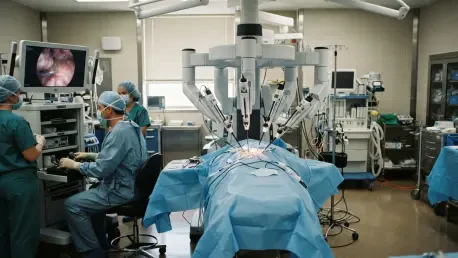
One of the most pervasive misunderstandings in modern medicine is the idea that the robotic system operates autonomously or makes decisions on behalf of the medical team. In reality, the machine is an intricate mechanical extension of the surgeon’s own hands, responding to every micro-movement with absolute fidelity. Dr. Bedway emphasizes that the robot does nothing without a direct command; it lacks the programming to initiate any action independently. Instead, the surgeon sits at a specialized console, viewing a high-definition, three-dimensional image of the surgical site that provides far greater clarity than the naked eye or traditional monitors. This level of visual immersion allows for the identification of tiny structures, such as nerves and blood vessels, that might be difficult to navigate otherwise. By filtering out natural hand tremors and providing a stable platform, the technology ensures that the physical execution of the surgery matches the cognitive precision of the physician’s intent.
Beyond visual clarity, the mechanical advantages of the robotic platform provide a range of motion that exceeds the natural capabilities of the human wrist. Traditional laparoscopic tools are often straight and rigid, which can limit a surgeon’s ability to reach difficult angles within the abdominal cavity. Robotic instruments, however, feature wristed joints that can rotate and pivot with seven degrees of freedom, mimicking the dexterity of a human hand but on a much smaller scale. This capability is particularly beneficial during intricate tasks like suturing or dissecting tissue in tight spaces, where a fraction of a millimeter can make a significant difference in the outcome. The synergy between the surgeon’s anatomical knowledge and the robot’s mechanical flexibility allows for a level of finesse that was previously unattainable. Consequently, the procedure becomes less about the machine’s power and more about its ability to facilitate the surgeon’s existing expertise with higher mechanical efficiency.
Future Standards: Advancing Clinical Excellence in Modern Healthcare
The successful completion of over 1,000 surgeries at Orlando Health Sebastian River Hospital proved that the human element remained the most vital component of surgical excellence. Throughout these procedures, it was clear that the robot functioned as a sophisticated extension of the surgeon’s judgment rather than a replacement for it. The clinical outcomes achieved during this period reflected a deep synergy between advanced engineering and the intuitive decision-making that only an experienced physician could provide. Hospital leadership and medical staff recognized that while the technology was impressive, the trust established between the provider and the community was the true foundation of their success. The milestone highlighted that surgical precision was not merely a mechanical output but a combination of years of rigorous training and the application of cutting-edge tools. As these technologies continued to mature, the focus shifted from proving the efficacy of the machine to optimizing the ways in which surgeons interacted with digital interfaces.
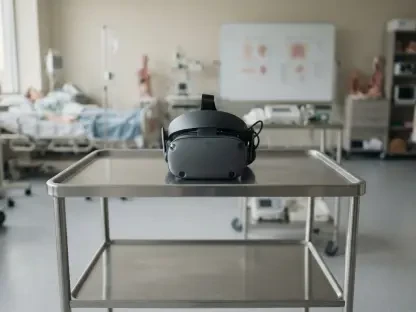
Looking forward from this achievement, the focus transitioned toward standardized training protocols and expanded patient education to demystify the role of robotics in the operating room. Healthcare institutions prioritized investment in simulation-based training that allowed the next generation of surgeons to master these platforms in a controlled environment before entering live cases. Additionally, transparent communication regarding the limitations and strengths of robotic systems became essential in maintaining public trust and ensuring informed consent. Patients were encouraged to ask specific questions about their surgeon’s experience level and the specific benefits of a robotic approach for their unique condition. By integrating these advanced tools into a broader framework of multidisciplinary care, hospitals ensured that technology served as a bridge to better health rather than a barrier to the human touch. The next decade of surgical innovation was defined by how well artificial intelligence and data analytics were integrated into these platforms.