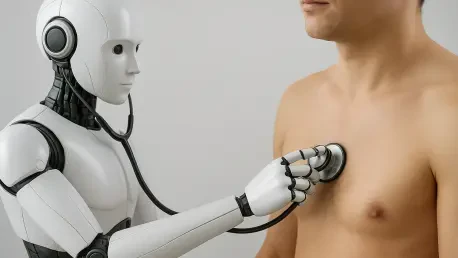

The HEART-POD project utilizes a multidisciplinary approach involving robotics experts and business analysts to assess the economic viability of automation in public health. This innovative collaboration, involving the National Robotarium, Edinburgh Business School, and NHS Tayside, represents a pivotal shift in how the United Kingdom addresses the growing demands on its primary care services. As medical facilities face unprecedented pressure to manage chronic conditions, the introduction of automated systems serves as a critical intervention. By delegating routine cardiovascular screenings to advanced robotics, the initiative aims to free up significant time for medical professionals, allowing them to dedicate their specialized skills to more complex patient scenarios. This strategic integration is not merely about technological novelty; it focuses on creating a sustainable framework for healthcare delivery in an era where workforce shortages and an aging population necessitate more efficient data-driven solutions. By 2026, the success of such projects will be measured by their ability to integrate into the existing medical infrastructure without disrupting the essential human elements of patient care.
Integrating Robotics Into the Primary Care Workflow
Central to this initiative is the Temi robot, a sophisticated mobile platform that navigates busy clinical environments with autonomous precision. When a patient enters a participating facility for a scheduled cardiovascular check-up, they are greeted not by a busy receptionist but by this intuitive robotic assistant. The robot utilizes advanced navigation software to guide patients toward private assessment stations, ensuring a seamless and modern transition into the clinical workflow. This interaction is designed to mimic the professional standard of a traditional medical encounter while removing the logistical hurdles of manual check-ins. Equipped with a high-resolution touchscreen and an array of sensors, the robot serves as the first point of contact, effectively managing the flow of individuals through the practice. This automation of the initial greeting and transit process significantly reduces the administrative burden on front-of-house staff and medical assistants who are often stretched thin by high patient volumes.
The physical presence of the robot is complemented by a sophisticated backend system that ensures every interaction is recorded accurately within the clinical database. As the robot guides the patient, it can provide context-specific information about the upcoming tests, helping to alleviate any anxiety associated with medical procedures. This proactive approach to patient management allows the robot to function as more than just a navigational tool; it becomes an active participant in the diagnostic process. By streamlining the movement of patients from the entrance to the screening area, the facility can optimize its daily schedule and reduce waiting times. Furthermore, the autonomous nature of the system means that it can operate continuously throughout the day, providing a reliable and consistent level of service regardless of the staff’s current workload. This foundational step is essential for establishing the robot as a trusted and capable assistant within the busy primary care environment.
Enhancing Diagnostic Accuracy Through AI Integration
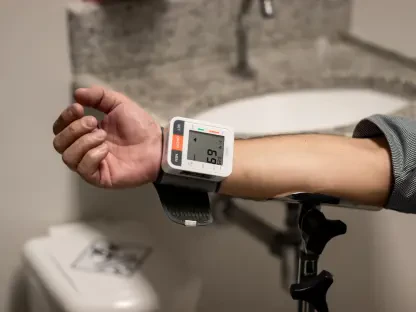
The HEART-POD system incorporates a Large Language Model to facilitate natural and meaningful conversations between the patient and the robotic interface. This allows patients to describe their symptoms and lifestyle habits in a conversational manner rather than simply checking boxes on a digital form. Natural language processing software then interprets these spoken responses and translates them into standardized medical codes that are instantly recognizable by general practitioners. To complement this verbal data collection, the robot utilizes Bluetooth connectivity to synchronize with a variety of diagnostic tools, including automated blood pressure cuffs and digital scales. This integration ensures that vital signs are recorded with high precision and transmitted in real-time to the patient’s electronic health record. By eliminating the need for manual transcription, the system significantly reduces the risk of human error during the data entry phase of a cardiovascular screening, ensuring higher reliability.
By utilizing high-speed data synchronization, the robotic assistant provides clinicians with a comprehensive health profile before they even step into the examination room. The use of advanced AI for initial data processing means that the information is not only recorded but also categorized based on its clinical significance. For example, if a patient’s blood pressure reading falls outside of the normal range, the system can flag this immediately for the attending physician. This real-time analysis allows for a more proactive approach to cardiovascular health management, where potential issues are identified at the earliest possible stage. Moreover, the integration of multiple diagnostic sensors into a single robotic platform ensures that the screening process is thorough and consistent for every individual. As the technology continues to evolve, the capacity for robots to handle even more complex biometric data will only increase, further solidifying their role as essential tools in the modern medical diagnostic toolkit.
Evaluating the Psychological Impact of Robotic Interaction
One of the most profound outcomes observed during the trial period involved the unexpected psychological comfort that patients experienced when interacting with the robot. Researchers found that many individuals felt a reduced sense of social pressure when disclosing sensitive information about their health habits, such as alcohol consumption or diet, to a machine. Unlike human clinicians, who may inadvertently convey non-verbal cues of judgment, the robot provides a neutral and objective environment for data collection. This lack of perceived judgment encouraged patients to provide more honest and accurate reports, which is vital for assessing cardiovascular risk levels. Furthermore, the robot’s consistent and unhurried pace offered a stress-free experience for patients who might otherwise feel rushed during a standard ten-minute appointment with a doctor. This relaxed atmosphere not only improved the quality of the data gathered but also enhanced overall patient satisfaction.
To ensure that the robotic assistant was a practical addition to the medical setting, the development team conducted a comprehensive evaluation involving various stakeholders. Patients and medical staff provided qualitative feedback that was instrumental in refining the robot’s interaction protocols and physical movements. This phase of the study emphasized the importance of trust and ease of use, ensuring that the technology was accessible to people of all ages and technological backgrounds. By involving the public early in the design and testing phases, the creators successfully tailored the robot to meet the specific needs of a diverse patient population. The feedback loop allowed for the adjustment of the robot’s speech patterns and the sensitivity of its interface, making it a more effective tool for communication. This collaborative approach ensured that the robotic intervention felt like a supportive addition to the clinic rather than a cold or intrusive technological replacement in the office.
Addressing Technical Challenges and Future Security
The transition to a robotic screening model has not been without its technical challenges, specifically regarding the complex environment of a modern clinic. Engineering teams identified that background noise in busy waiting areas could occasionally interfere with the robot’s microphone sensitivity, making voice recognition less effective. In response, specialized noise-canceling hardware and improved software filters are being integrated to ensure clear communication even in high-traffic settings. Additionally, the stability of Bluetooth connections remains a focus of ongoing development, as the prevalence of other electronic devices in medical facilities can sometimes cause signal interference. Maintaining a constant and secure link between the robot and diagnostic peripheral devices is essential for the seamless flow of biometric data. Researchers are also investigating more sophisticated spatial mapping techniques to ensure that the robot can navigate through crowded corridors without obstructing staff.
The evaluation of the HEART-POD project highlighted several actionable steps that were necessary for the successful expansion of robotic healthcare assistants into the wider primary care sector. Administrators focused on developing standardized training modules that helped medical teams integrate robotic data into their daily consultation routines efficiently. Engineers worked to stabilize hardware configurations, ensuring that battery life and connectivity could withstand the rigors of full-day operations. Furthermore, the establishment of a dedicated maintenance protocol ensured that any technical disruptions were addressed promptly without impacting patient care schedules. The project also promoted a policy of continuous feedback, where patients and clinicians contributed to the ongoing improvement of the AI’s conversational abilities. These foundational efforts demonstrated that with the right combination of technical refinement, automated systems could significantly enhance the operational capacity of public health services.