
Acquisition activity in the sensor space, such as VitalConnect’s expansion, aims to create unified monitoring suites from the inpatient setting to the home. This strategic shift reflects a broader movement in the healthcare industry where the traditional boundaries of the hospital are expanding to encompass the patient’s residence. This transition is not merely a convenience but a logistical necessity as health systems grapple with increasing patient volumes and the physical constraints of brick-and-mortar facilities. By deploying high-fidelity, medical-grade sensors, providers can maintain a digital tether to those under their care, ensuring that high-acuity oversight is not sacrificed for the sake of location. The maturation of this technology represents the realization of “virtual wards,” where the standard of care remains rigorous while the patient recovers in a familiar environment. This evolution is fundamentally changing the economics of healthcare, moving from episodic interventions to continuous, data-driven management that prioritizes early detection and personalized treatment protocols.
The financial narrative surrounding this technological leap is equally compelling, illustrating a market that is rapidly transitioning from a niche experimental phase into a cornerstone of global health infrastructure. Starting from a valuation of approximately $685.3 million in 2025, the market for wearable biosensors in the home setting is expected to rise to $810.0 million by the end of 2026. This immediate growth is indicative of a broader institutionalization of remote monitoring tools across both public and private health systems. Looking further ahead, the sector is projected to reach an impressive $4,311.8 million by 2036, representing a compound annual growth rate of 18.2%. This fivefold increase in market size over the next decade underscores the permanence of the Hospital-at-Home model. As clinical evidence continues to mount in favor of home-based recovery—citing lower infection rates and improved psychological outcomes—the procurement of biosensor hardware has moved from discretionary spending to a core operational requirement for hospitals worldwide.
Technological Advancements in Remote Monitoring
The Dominance of Multi-Parameter Wearable Patches
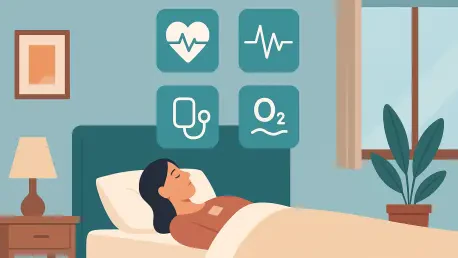
The transition toward multi-parameter wearable patches represents a significant departure from the fragmented monitoring systems of the past. Previously, patients might have required several distinct devices to track different vital signs, a process that was cumbersome for the patient and logistically complex for the clinician. Modern patches have solved this by consolidating sensors for heart rate, respiratory rate, oxygen saturation, and blood pressure into a single, discreet adhesive unit. These devices now command over 50% of the market share, largely because they solve the problem of patient compliance. When a device is easy to wear and requires minimal interaction from the user, the quality and consistency of the data stream improve dramatically. For clinical teams, this means receiving a synchronized view of the patient’s physiology, where changes in one vital sign can be immediately contextualized by shifts in another, leading to more accurate diagnoses and timely interventions in the home environment.
Engineering these multi-parameter devices involves balancing sophisticated sensor accuracy with the practicalities of daily life. Current versions of these patches are designed with advanced biocompatible materials to prevent skin irritation during extended wear, which is a critical factor for patients in acute recovery phases. Furthermore, improvements in battery density and low-power communication protocols have allowed these sensors to transmit data continuously for days or even weeks without needing a recharge. This reliability is the bedrock of the “virtual ward” concept, as any gap in data could represent a significant risk to patient safety. As the technology continues to mature, we are seeing the integration of even more variables, such as skin temperature and posture detection, which provide additional layers of clinical insight. By providing a holistic view of the patient’s state in real-time, these patches are effectively moving the capabilities of a hospital telemetry unit into a wearable format that fits into the palm of a hand.
Focus on Cardiac and Respiratory Vitals
The monitoring of cardiac and respiratory functions remains the highest clinical priority within the Hospital-at-Home framework, as these parameters are the primary indicators of a patient’s immediate physiological stability. Respiratory rate, in particular, is often the first vital sign to change when a patient’s condition begins to deteriorate, yet it was historically one of the most difficult to measure accurately outside of a clinical setting. Modern biosensors have addressed this by using advanced plethysmography and accelerometry to track breathing patterns with a high degree of precision. These developments have made it possible to manage patients with chronic obstructive pulmonary disease or congestive heart failure in their own homes, as clinicians can detect early signs of exacerbation long before the patient requires an emergency room visit. The revenue generated from devices focused on these core vitals continues to lead the market, reflecting their status as the essential “entry-level” requirement for any high-acuity remote care program.
In addition to respiratory tracking, the refinement of cardiac monitoring has allowed for more nuanced home-based care. High-resolution sensors can now detect arrhythmias and other subtle cardiac events that might be missed by intermittent checks. However, this increased sensitivity has brought new regulatory and clinical challenges, particularly regarding the accuracy of sensors across diverse patient populations. Recent initiatives by regulatory bodies, including the FDA, have emphasized the need for pulse oximeters and heart rate monitors to perform reliably across all skin pigmentations. This focus on clinical equity is pushing manufacturers to utilize more sophisticated light-sensing technologies and algorithms that can compensate for physiological variations. As these standards become more rigorous, the biosensors that successfully navigate these requirements are becoming the trusted standard for hospitals. This shift ensures that the safety net provided by remote monitoring is equally effective for every patient, regardless of their demographic background or the complexity of their underlying condition.
Strategic Market Drivers and Regional Insights
Regulatory Support and Reimbursement Pathways
The rapid proliferation of Hospital-at-Home programs is inextricably linked to the evolving landscape of healthcare policy and the creation of sustainable reimbursement models. In the United States, the federal government has played a pivotal role by extending waivers that allow hospitals to receive inpatient-level payments for services delivered in a residential setting. This policy, which is currently secured through September 2030, has removed the primary financial barrier that previously prevented many institutions from investing in remote monitoring infrastructure. With the certainty of reimbursement, health systems are now more willing to purchase high-end wearable biosensors and build the necessary clinical teams to oversee the incoming data. This regulatory environment has created a competitive market where hospitals are incentivized to optimize their home-based care models to improve patient throughput and reduce the overhead associated with maintaining physical hospital beds.
On a global scale, structured telemonitoring is becoming a standard feature of national health services, particularly in Europe and parts of Asia. In the United Kingdom, the NHS has successfully scaled its virtual ward initiatives, achieving high occupancy rates by focusing on standardized care pathways for conditions like frailty and acute respiratory infections. Similarly, Germany has formalized telemonitoring for chronic heart failure, providing a clear legal and financial framework for how these services should be delivered and who is qualified to monitor the data. In East Asia, countries like South Korea and Japan are leveraging biosensors to address the health needs of their rapidly aging populations. South Korea, for instance, has expanded its home medical care centers to hundreds of districts, creating a nationwide network of supervised care. These regional efforts demonstrate that while the specific clinical focus may vary, the underlying driver is a universal need to modernize healthcare delivery through the integration of remote sensing technology and supportive public policy.
Overcoming Operational and Clinical Barriers
Despite the clear benefits and technological progress, the implementation of Hospital-at-Home programs faces significant operational hurdles that can limit their effectiveness. One of the most pressing issues is the logistical complexity of managing the physical hardware. Hospitals must develop robust systems for the distribution, recovery, and decontamination of wearable sensors to ensure they are available for the next patient. This “reverse logistics” challenge represents a significant administrative burden, particularly for institutions that are not accustomed to managing medical equipment outside their own walls. Furthermore, the reliability of the home internet connection and the patient’s ability to correctly apply and maintain the sensor are variables that clinical teams cannot always control. To mitigate these risks, many vendors are now offering managed services that handle the delivery and technical support of the devices, allowing doctors and nurses to focus solely on the clinical data.
Another major challenge is the phenomenon of “alert fatigue,” where the continuous stream of data from biosensors generates a high volume of notifications that can overwhelm clinical staff. If every minor fluctuation in a patient’s heart rate triggers an alarm, the truly critical events may be lost in the noise, leading to clinician burnout and potential safety lapses. To address this, the industry is moving toward more sophisticated data filtering and rules-based engines that only escalate alerts when a specific combination of physiological changes occurs. This shift from raw data to actionable intelligence is crucial for making remote monitoring sustainable at scale. By refining these alert protocols, health systems can manage larger populations of home-based patients with the same number of clinical staff, thereby achieving the efficiency gains that the Hospital-at-Home model promises. The success of these programs ultimately depends on the seamless integration of technology into the clinical workflow, ensuring that the biosensor acts as an aid rather than a distraction.
The Competitive Landscape of Biosensor Providers
Enterprise Giants and Workflow Integration
The market for wearable biosensors is currently dominated by a mix of established healthcare technology giants and specialized innovators, each bringing different strengths to the table. Major players like Philips, Medtronic, and GE HealthCare leverage their massive existing presence within hospitals to provide a seamless transition from bedside monitoring to home-based care. Their primary competitive advantage lies in “workflow integration”—the ability to funnel data from a home-worn patch directly into the hospital’s central electronic health record (EHR) system. For a clinician, being able to view a patient’s home vitals in the same interface used for inpatient rounds is a significant benefit that reduces the learning curve and improves decision-making. These enterprise companies are increasingly forming strategic partnerships to combine their software expertise with next-generation sensor hardware, creating “full-stack” solutions that cover every aspect of the monitoring process from the device to the dashboard.
The strategy for these large corporations often involves building a unified ecosystem where the brand of the sensor used in the intensive care unit is the same as the one sent home with the patient. This continuity of brand and technology builds trust among hospital administrators and clinical staff, who are often hesitant to adopt unproven platforms from smaller startups. By offering a familiar interface and reliable support infrastructure, these giants make it easier for large health systems to scale their Hospital-at-Home programs across multiple departments. However, this dominance also places a high bar for innovation, as these companies must ensure that their home-based products meet the same rigorous safety and reliability standards as their traditional diagnostic equipment. The ongoing competition in this space is driving a rapid cycle of product updates, with a focus on making the devices more user-friendly for non-clinical users while maintaining the high data fidelity required for acute medical supervision.
Specialized Platform and Sensing Providers
In contrast to the broad approach of the enterprise giants, a group of specialized providers has emerged to focus specifically on the unique challenges of the home-care environment. Companies like Biofourmis and Current Health have built their entire business models around the “episode of care,” providing not just the sensors but the end-to-end logistics and clinical support required to run a virtual ward. These firms often act as the connective tissue between the hospital and the patient’s home, managing everything from device delivery and patient onboarding to the initial triaging of alerts. Their platforms are designed to be “device-agnostic,” meaning they can integrate data from a variety of different sensors depending on the specific needs of the patient. This flexibility is highly valued by hospitals that may want to use a specific patch for cardiac patients and a different wrist-worn monitor for those recovering from surgery.
The innovation coming from these specialized players is often focused on the patient experience and the longevity of the hardware. For instance, some companies have developed metabolic sensors that can be worn for up to 15 days, significantly reducing the frequency with which a patient must interact with or replace their device. These advancements are critical for long-term monitoring and for patients with complex chronic conditions who may remain in a virtual ward for weeks at a time. As the market matures, we are seeing a wave of consolidation as specialized sensor developers are acquired by larger platforms to create more comprehensive monitoring suites. This trend is leading to a more integrated healthcare delivery chain, where the focus is moving toward a continuous “longitudinal” view of the patient’s health rather than a series of disconnected medical encounters. By focusing on the specific needs of the home environment, these specialized providers are pushing the entire industry toward more patient-centric and efficient care models.
Future Opportunities in Remote Care
AI-Enabled Predictive Interventions
The next frontier for wearable biosensors is the move from reactive monitoring to predictive intervention, powered by advanced artificial intelligence and machine learning algorithms. While current systems are excellent at alerting clinicians when a vital sign crosses a certain threshold, the future lies in identifying the subtle physiological trends that precede a clinical crisis. By analyzing thousands of data points across diverse patient populations, AI models can learn to recognize the early “fingerprints” of deterioration, such as a slight increase in resting heart rate combined with a minor decrease in oxygen saturation. This “early warning system” allows medical teams to intervene hours or even days before a patient becomes symptomatic, potentially preventing a costly and traumatic hospital readmission. This proactive approach is the key to truly transforming the Hospital-at-Home model into a preventative tool that enhances patient safety beyond the levels found in traditional wards.
One of the most significant advantages of AI in this context is its ability to establish a personalized “baseline” for each individual patient. Traditional medical triggers are often based on broad population averages, which may not be appropriate for a patient with a chronic condition whose “normal” vitals are atypical. AI can learn what is normal for a specific individual over the first few hours of monitoring and then only trigger an alert if there is a significant deviation from that person’s unique physiological pattern. This personalization dramatically reduces the number of false alarms and ensures that clinical attention is focused where it is most needed. As these algorithms become more refined and receive regulatory approval for clinical decision support, they will become an indispensable partner for physicians. The shift toward AI-driven care represents a move toward a more intelligent and efficient healthcare system where technology does the heavy lifting of data analysis, leaving clinicians free to focus on direct patient care.
Expanding Beyond Acute Care
While the current focus of Hospital-at-Home programs is on high-acuity acute care, there is a burgeoning opportunity to apply these same biosensor technologies across a much wider spectrum of the healthcare journey. Post-discharge transitional care is one such area, where patients who have just left the hospital are monitored for a short period to ensure their recovery remains on track. This “step-down” approach provides a safety net during the most vulnerable period of recovery and has been shown to significantly reduce the “revolving door” effect of rapid readmissions. Similarly, the field of oncology-at-home is gaining traction, as patients undergoing intensive treatments like chemotherapy can be monitored for adverse reactions or signs of infection from the comfort of their homes. This not only improves the patient’s quality of life but also allows oncologists to adjust treatment plans in real-time based on the patient’s physiological response.
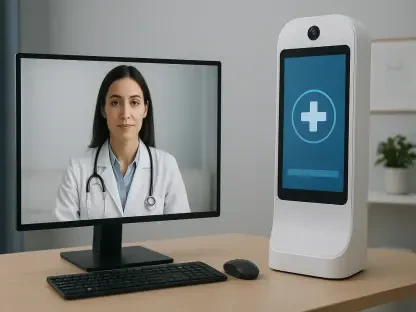
Furthermore, the integration of vital sign data with existing telehealth platforms is creating a more holistic and powerful diagnostic tool. During a video consultation, a doctor can now view the patient’s real-time biometrics, providing a level of clinical context that was previously only possible during an in-person exam. This combination of visual assessment and digital diagnostics is particularly valuable for rural and underserved populations who may have limited access to physical medical facilities. As biosensors become more affordable and ubiquitous, we may see them used for long-term chronic disease management and even wellness monitoring for the elderly, allowing them to age in place with greater security. The versatility of this technology means that its impact will eventually be felt in almost every medical specialty, fundamentally changing the way we think about the relationship between the patient, the provider, and the home environment.
The Long-Term Impact on Global Health
Enhancing Patient Well-Being and Safety
The most profound impact of the biosensor revolution in Hospital-at-Home care is the significant improvement in patient well-being and overall safety. Recovering in a familiar home environment has been consistently linked to better mental health outcomes, as patients are surrounded by their families and can maintain some semblance of their daily routines. This psychological comfort is not just a secondary benefit; it has direct physiological effects, such as lower stress levels and improved sleep quality, both of which are critical for the body’s healing process. Moreover, the home environment inherently carries a lower risk of hospital-acquired infections, which remain a major cause of complications in traditional clinical settings. By keeping vulnerable patients out of the hospital whenever possible, health systems are effectively reducing one of the most significant risks associated with modern medical treatment.
From a safety perspective, the continuous monitoring provided by wearable biosensors offers a level of oversight that often exceeds what is available on a standard hospital floor. In many traditional wards, vitals are only checked by a nurse every four to six hours, leaving long windows where a patient’s condition could deteriorate unnoticed. In a virtual ward, those same vitals are tracked every minute of every day, with automated systems standing ready to alert a clinical team the moment an abnormality is detected. This continuous “digital watch” provides a safety net that is both persistent and precise, ensuring that no patient is ever truly alone in their recovery. As the technology continues to prove its worth, the perception of home-based care is shifting from a “lesser” alternative to a “superior” model for many types of recovery. This transition is making healthcare more humane and patient-centric, aligning the delivery of medical services with the actual lives and preferences of the people they serve.
Achieving System-Wide Scalability
As global healthcare systems face the unprecedented challenges of rising costs and an aging population, the ability to scale care through technology has become a financial and operational imperative. Wearable biosensors allow hospitals to increase their capacity without the massive capital investment required to build new wings or facilities. By converting thousands of private residences into “monitored beds,” health systems can manage surges in demand, such as during seasonal flu outbreaks or public health emergencies, with much greater flexibility. This virtual expansion is the only sustainable way to meet the growing demand for medical services in a world with limited physical resources. The data collected by these devices also provides a massive new resource for public health research, allowing scientists to study the recovery patterns of millions of people in real-world settings and develop more effective clinical protocols.
The long-term vision for this technology is a fully integrated healthcare ecosystem where the hospital acts as a central hub for high-intensity interventions, while the home becomes the primary site for recovery and long-term management. This shift will require continued investment in digital infrastructure and a commitment to data interoperability, but the potential rewards are immense. By reducing the reliance on expensive inpatient care and focusing on early, data-driven interventions, we can create a global health system that is not only more efficient but also more equitable. The lessons learned from the rapid adoption of biosensors in 2026 and beyond will serve as the blueprint for this new era of medicine. Ultimately, the transformation of Hospital-at-Home care is about more than just technology; it is about reimagining the very nature of the medical experience to be more accessible, resilient, and responsive to the needs of every individual.
The implementation of wearable biosensors has successfully shifted the focus of high-acuity care from the hospital room to the patient’s residence, proving that location is no longer a barrier to medical excellence. Healthcare administrators and clinical leaders prioritized the integration of these devices into standard workflows, which led to a measurable reduction in hospital readmissions and an increase in patient satisfaction scores. Moving forward, the industry addressed the challenge of data fragmentation by adopting unified platforms that allowed for a continuous flow of biometric information across different care settings. These efforts ensured that the safety and efficacy of home-based care were maintained through rigorous clinical oversight and advanced predictive analytics. The evolution of this model demonstrated that a patient-centered approach, supported by robust technology and clear regulatory frameworks, could create a more sustainable and compassionate global healthcare infrastructure.