
The current healthcare landscape is shifting rapidly as individuals increasingly choose to bypass traditional administrative delays in favor of proactive, patient-initiated diagnostic services that prioritize immediate results over bureaucratic approval. In a period defined by physician shortages and long wait times for specialized consultations, many seek direct ways to manage their well-being. Services like the Echo Body Scan have emerged as a streamlined alternative, offering a comprehensive $400 ultrasound designed to uncover potential health issues before they escalate into emergencies. By eliminating hurdles of insurance authorizations and formal doctor referrals, this approach provides a faster route to understanding one’s internal health. It represents a departure from the standard reactive medical model, where diagnostic testing is often reserved for those with severe symptoms. Consequently, taking initiative through accessible screenings offers a level of clarity and peace of mind that was previously difficult to obtain without extensive medical justification.
A Comprehensive Approach to Internal Health
High-Resolution Imaging: The Technical Process
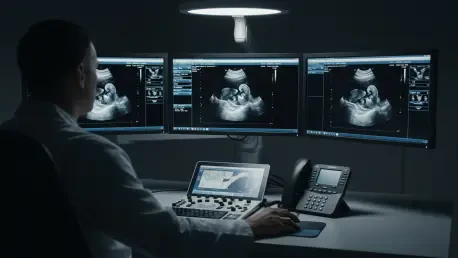
The process involves a 40-minute, non-invasive procedure that provides a thorough and detailed evaluation of several major internal organs and glands. While traditional diagnostic pathways are typically narrow in scope—often focusing on a single symptom or specific area of concern—this comprehensive screening acts as a multi-point inspection of the body’s internal systems. To maintain the highest clinical standards, these scans are performed by certified sonographers who utilize sophisticated imaging equipment to capture clear, real-time data from within the torso and neck. Once the raw images are collected, they undergo a rigorous review process by board-certified radiologists who interpret the findings with the same level of scrutiny found in major hospital settings. This ensures that every individual receives a high standard of professional care, even though the screening takes place outside the complex and often intimidating environment of a traditional medical facility.
Vital Organ Assessment: Breadth of the Exam
A primary strength of this imaging technique is its ability to examine a diverse array of vital organs in a single session, including the thyroid, liver, kidneys, and gender-specific glands. For example, imaging the liver can reveal signs of fatty liver disease or other structural changes that might otherwise go unnoticed for years, while scanning the kidneys can detect cysts or stones before they cause significant pain. The inclusion of the thyroid allows for the identification of nodules or enlargements that could impact metabolic function or overall energy levels. By checking these various systems simultaneously, the scan offers a broader perspective on health than a localized test ever could. This holistic view is particularly valuable for those who have a family history of certain conditions or those who simply want a baseline assessment of their internal health status. It transforms the diagnostic experience from a fragmented search for problems into a unified, proactive survey of the body’s current state.
Addressing the Threat of Silent Conditions
Cardiovascular Screenings: Identifying Arterial Plaque
One of the most vital components of the Echo Body Scan is its capacity to detect atherosclerosis, a condition characterized by the silent buildup of plaque within the artery walls. This specific health threat is notoriously difficult to identify through standard physical exams because it often manifests no outward symptoms until a major cardiovascular event occurs. By focusing specifically on the carotid arteries in the neck and the abdominal aorta, the ultrasound provides a window into the structural health of the circulatory system. Detecting early signs of arterial thickening or plaque formation can be life-saving, as it allows individuals to make informed lifestyle or medical changes long before a heart attack or stroke becomes an immediate risk. This level of early insight is critical in a world where cardiovascular diseases remain a leading cause of mortality, often striking individuals who otherwise appear healthy. Utilizing advanced imaging to spot these issues early changes the narrative from emergency response to proactive management.
Strategic Wellness: Investing in Long-Term Vitality
Adopting this type of preventative screening encourages a fundamental shift in how people view their physical health, treating it as an ongoing investment rather than a series of reactive responses to crises. For many, the ability to see the internal state of their arteries and organs provides a powerful motivation to adhere to better nutritional habits, exercise routines, or prescribed medication regimens. When health data is presented clearly through professional radiology reports, it removes the guesswork and provides a concrete foundation for making meaningful choices. This proactive stance is increasingly necessary in modern society, where sedentary lifestyles and dietary habits often contribute to silent internal damage over several decades. Rather than waiting for a catastrophic health failure to prompt action, individuals are now using these scans to gain a competitive edge against potential diseases. This proactive approach not only improves long-term health outcomes but also reduces the immense psychological and financial stress of sudden medical emergencies.
Integrating Screenings into Long-Term Care
Paradigm Shifts: The Evolution of Personal Health Monitoring
The emergence of accessible body scanning services marked a significant milestone in the shift toward decentralized and patient-centric healthcare models. By providing a detailed look at internal organs and cardiovascular health without the need for traditional gatekeepers, these screenings established a new standard for personal health literacy. Individuals who utilized these tools gained a clearer understanding of their baseline wellness, which allowed them to identify subtle changes before they developed into chronic conditions. This transition toward proactive monitoring proved that the traditional, symptom-based approach to medicine was no longer the only viable path for maintaining long-term vitality. The data generated by these scans served as a bridge between the individual and the medical community, fostering a more collaborative relationship between patients and their physicians. Looking ahead, the integration of these high-resolution screenings into regular wellness routines will likely become a cornerstone of preventative medicine for health-conscious people.
Actionable Next Steps: Strengthening the Provider Partnership
Choosing to undergo a comprehensive screening was an essential first step for many who sought to take full responsibility for their physical well-being. The actionable insights provided by these reports allowed patients to engage in more informed discussions with their healthcare providers regarding specialized treatments or lifestyle adjustments. For those who discovered early markers of risk, such as arterial plaque or organ nodules, the scan provided a critical window of opportunity for early intervention that significantly improved their clinical outcomes. Moving forward, individuals should continue to view these diagnostic tools as part of a broader, integrated strategy that includes regular physical exams and professional medical consultations. By combining the precision of advanced ultrasound imaging with the expertise of primary care doctors, a more comprehensive and effective health management plan was achieved. This collaborative approach ensured that potential health risks were not just identified, but were also managed through evidence-based medical practices.