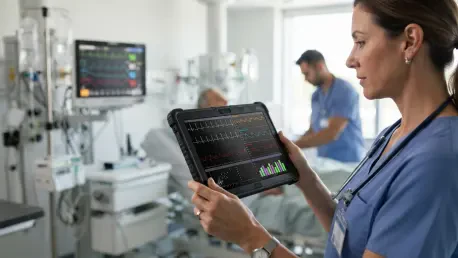

The implementation of standardized C-CDA templates ensures that transition summaries and encounter notes are consistently formatted for ingestion into local charts. In the modern medical landscape of 2026, healthcare providers require a seamless method to access patient information across diverse networks without the traditional barriers of manual record requests or incompatible software systems. Carequality serves as this vital link, operating not as a central database but as a national-level, consensus-built interoperability framework that connects electronic health record systems, health information networks, and clinical platforms. By establishing a unified trust model, Carequality functions as a “network of networks,” enabling organizations to locate and exchange clinical data across vendor boundaries without the administrative burden of negotiating separate bilateral contracts. This federated approach ensures that patient data remains at the source while being discoverable and accessible to authorized clinicians whenever and wherever the patient seeks care.
Historically, the process of sharing medical records involved building individual point-to-point connections, which was both costly and inefficient for hospitals and smaller clinics alike. Carequality has transformed this fragmented ecosystem into a cohesive infrastructure by providing common legal terms, governance policies, and technical specifications. Participating healthcare organizations, ranging from massive multi-state systems to independent ambulatory groups, connect through authorized network implementers. This allows clinicians to query external treatment records directly from their native clinical workflows, ensuring that critical information like medication lists, allergies, and recent lab results are available at the point of decision-making. As digital health continues to evolve, the framework remains a cornerstone of the American health IT strategy, promoting a high-trust environment where data security and patient privacy are prioritized alongside the need for clinical transparency and efficiency.
1. The Three Pillars of the Framework
The operational success of Carequality rests upon three foundational pillars that provide the stability and predictability needed for nationwide data exchange. The first pillar consists of the Common Rules of the Road, which are standardized legal agreements including the Carequality Connected Agreement and flow-down Connection Terms. These documents establish binding rules for permitted exchange purposes, such as treatment, while ensuring strict compliance with HIPAA privacy protections and user authentication protocols. By adopting this universal legal structure, healthcare organizations eliminate the need for hundreds of individual Business Associate Agreements between different entities. This standardization not only reduces the workload for legal departments but also ensures that every participant operates under the same expectations regarding data handling and dispute resolution, creating a level playing field for all stakeholders in the healthcare ecosystem regardless of their size or technical capability.
The second and third pillars focus on technical rigor and organizational visibility. Well-defined technical specifications standardize data transactions based on established international protocols from Health Level Seven and Integrating the Healthcare Enterprise. These guides define specific profiles for patient discovery and document retrieval, ensuring that different software systems can “speak” the same language. Complementing these technical rules is the Central Participant Directory, a comprehensive registry that lists all connected implementers, participating organizations, and system service endpoints. When a clinician initiates a search, their system queries this directory to locate external patient records and verify the digital certificates of the responding systems. This directory acts as the GPS for the healthcare data world, allowing systems to navigate the complex web of networks and securely identify exactly where a patient’s records are stored, thereby facilitating a secure and efficient exchange of information.
2. Governance and the Nationwide Operational Reach
Carequality is managed as an independent 501(c)(3) non-profit organization, having transitioned from its original roots under the stewardship of The Sequoia Project. Its governance structure is designed to be inclusive, featuring an elected Steering Committee and an Advisory Council that represent a diverse cross-section of the industry, including health IT developers, healthcare providers, health information exchanges, and patient advocates. This multi-stakeholder approach ensures that the framework remains responsive to the actual needs of those on the front lines of care. By maintaining a neutral position, Carequality fosters a collaborative environment where competitors can agree on the rules of engagement for the greater good of patient care. This independent oversight is crucial for maintaining the trust of both the public and private sectors, ensuring that the framework evolves alongside technological advancements and changing regulatory requirements.
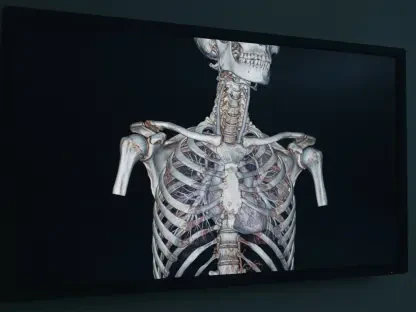
The scale of this framework is substantial, facilitating the exchange of over 300 million clinical documents every month across the United States. It connects more than 600,000 physicians and 50,000 clinics, reaching over 4,200 hospitals nationwide. Data indicates that a significant majority of non-federal acute care hospitals participate in at least one national health network, with Carequality serving as a primary backbone for integration. The scope of information exchanged is comprehensive, including lab results, medication histories, allergy information, and encounter notes. Furthermore, through partnerships with organizations like the Radiological Society of North America, the framework has expanded to include the digital retrieval of diagnostic DICOM studies. This advancement allows for the exchange of large imaging files across enterprise PACS systems and vendor-neutral archives, effectively replacing the obsolete practice of burning physical CDs for patients to carry between appointments.
3. Technical Workflows for Cross-Community Discovery
When a clinician needs to access external records, the process begins directly within their native electronic health record interface, avoiding the need for separate web portals. The workflow initiates with a patient query where the EHR verifies that the request satisfies permitted treatment criteria under federal law. The system then utilizes the IHE Cross-Community Patient Discovery profile to format a demographic query containing attributes such as the patient’s legal name, date of birth, and sex. This query is broadcast to candidate responding gateways identified through the Carequality Participant Directory. This initial step is critical as it sets the stage for accurate record matching across different healthcare systems that might have slightly different ways of identifying the same individual, ensuring that the clinician is looking at the correct medical history for the patient sitting in front of them.
Once the query is broadcast, responding systems compare the demographic data against their internal Master Patient Indices. If a match is confirmed, the responding system returns a unique community patient identifier to the initiating system. Using this confirmed identity, the local system issues a Cross-Community Access “Query for Documents” request, which prompts the external gateway to provide a manifest of available clinical records. The clinician can then review this list and select specific encounters or apply automated retrieval rules to pull encrypted records across the secure connection. These retrieved documents, often formatted as C-CDA summaries or FHIR resources, are then displayed for clinical review and can be integrated into the local medical chart. This five-step federated workflow ensures that data is only moved when requested, maintaining the privacy of the patient while providing the physician with a comprehensive view of the patient’s longitudinal health history.
4. Assessing Performance Benefits and Structural Limits
One of the primary strengths of Carequality is the elimination of administrative friction through its unified legal framework. By removing the need for bilateral contracts, healthcare systems can expand their reach almost instantly once they are connected to an authorized implementer. The framework also benefits from broad adoption among major commercial EHR developers, including Epic Systems, Oracle Health, and athenahealth, which ensures that most clinicians are using familiar tools to access the network. The high volume of monthly document transfers proves that the infrastructure is mature and capable of handling the high-speed demands of modern emergency departments and ambulatory clinics. Additionally, the support for multiple data domains, including complex imaging data, makes it a versatile tool that addresses the needs of various medical specialties beyond just general practice.
Despite these advantages, certain structural limits remain that require careful management by participating organizations. Because Carequality does not have a central repository, it relies entirely on the uptime of external endpoints; if a responding system is offline, the records are temporarily unreachable. Furthermore, the reliance on demographic matching rather than a national patient identifier means that typographical errors or outdated addresses can lead to failed searches or “no-match” results. Clinicians also face the challenge of information overload, as external C-CDA documents frequently contain duplicated notes and redundant data points that require manual filtering. There are also ongoing policy discussions regarding whether expanding connectivity to non-treatment service providers might stretch the original definitions of permitted use under the framework’s governance, requiring a constant balance between data accessibility and strict privacy controls.
5. Comparison with Alternative Health Information Networks
Carequality operates alongside other prominent networks such as the CommonWell Health Alliance and the eHealth Exchange. While Carequality is a federated framework that connects disparate networks, CommonWell is a trade association and service network that originally focused on providing a centralized Master Patient Index and record-location services. Today, the two are highly complementary; CommonWell acts as an authorized implementer of Carequality, which means that organizations on the CommonWell network can seamlessly exchange records with systems that are natively on Carequality, such as Epic-based hospitals. This interoperability between networks has largely solved the “vendor lock-in” problem that plagued health IT for decades, creating a more inclusive environment where the focus has shifted from how data is moved to how that data can be effectively used to improve patient outcomes.
In addition to private-sector networks, Carequality must be understood in relation to the Trusted Exchange Framework and Common Agreement, or TEFCA. This federal initiative, overseen by the Office of the National Coordinator for Health Information Technology, establishes a formal structure for Qualified Health Information Networks to communicate on a nationwide scale. While Carequality pioneered the private-sector “network of networks” model, TEFCA provides a government-backed legal baseline for broader categories of exchange beyond just clinical treatment, including public health and individual access. Many Carequality implementers are aligning their operations with TEFCA QHIN architectures to ensure they remain compliant with federal standards while continuing to leverage the mature technical and legal pathways that Carequality has spent years perfecting. This dual alignment ensures that the healthcare industry remains stable during the transition to more formalized federal oversight.
6. Strategic Recommendations for Future Integration
In the years leading up to 2026, healthcare organizations that prioritized deep integration with the Carequality framework realized significant improvements in clinical productivity and patient safety. These systems successfully moved beyond simple document viewing to implement automated reconciliation processes that identified discrepancies in medication lists and allergy records. By treating external data as a primary clinical asset rather than an optional attachment, providers were able to reduce redundant diagnostic testing and prevent adverse drug events. Strategic leaders focused on training their staff to utilize the “outside records” tools as a standard part of the intake process, ensuring that the full clinical picture was available before any new treatment plans were finalized. This proactive approach turned the promise of interoperability into a tangible reality for millions of patients across the country.
Looking forward, health systems and IT departments should focus on refining their data filtering and deduplication capabilities to mitigate the burden of information overload on clinicians. As the volume of exchanged data continues to grow, the ability to highlight only the most relevant changes in a patient’s medical history became a competitive advantage for EHR vendors. Organizations are encouraged to regularly audit their demographic data quality to improve patient matching rates within the federated network. Furthermore, staying actively involved in the Carequality Steering Committee and participating in pilot programs for new FHIR-based exchange protocols allowed forward-thinking groups to influence the direction of national standards. By continuing to invest in these standardized exchange pathways, the healthcare community ensured that the infrastructure remained robust, secure, and fully capable of supporting the next generation of digital health innovations.