
In the remote reaches of the Bwindi Impenetrable Forest and the vast cattle corridors of Karamoja, the physical distance between a sick child and a qualified physician often spans several days of arduous travel over difficult terrain. This geographic isolation has historically contributed to high mortality rates from preventable diseases, yet a profound shift occurred as digital infrastructure expanded into the most isolated corners of the country. By leveraging widespread mobile connectivity and innovative satellite links, healthcare providers successfully bypassed the need for traditional road infrastructure to deliver life-saving consultations. The integration of telemedicine platforms transformed the local healthcare landscape from a model based on physical proximity to one defined by digital accessibility and real-time intervention. As the Ministry of Health standardized protocols for remote diagnostics, the previous barriers of cost and distance began to dissolve, allowing rural clinics to access specialized expertise previously reserved for urban centers in Kampala or Entebbe.
Infrastructure Development: Powering Connectivity in Remote Regions
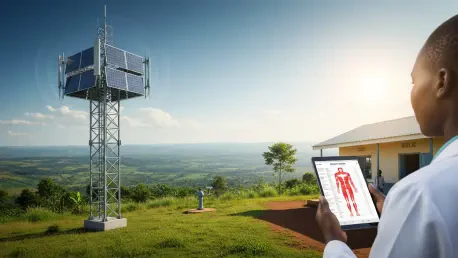
The success of these digital initiatives relied heavily on the strategic deployment of low-power wide-area networks and the proliferation of affordable smartphones tailored for rugged environments. Telecommunications firms collaborated with international development agencies to install solar-powered cell towers in regions where the national grid remained absent or unreliable. These installations provided the necessary bandwidth for video consultations and the transmission of high-resolution medical imagery, which are critical for accurate remote diagnosis. Beyond the hardware, the implementation of localized data centers ensured that patient records remained accessible even when international internet gateways faced latency issues or temporary outages. Furthermore, the adoption of simplified user interfaces allowed community health workers with limited formal technical training to navigate complex diagnostic software with high precision. This technological foundation established a permanent framework for a resilient healthcare ecosystem that prioritized data-driven decision-making and efficient resource allocation.
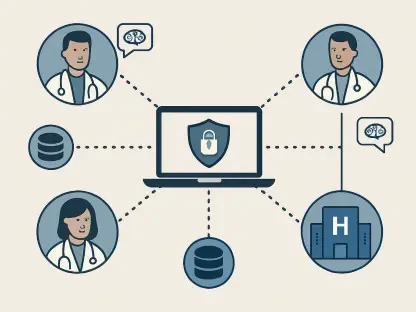
Building on this connectivity, specific software solutions like customized USSD protocols and mobile applications enabled patients in areas with only basic 2G or 3G coverage to interact with health systems. These light-weight digital tools facilitated the scheduling of appointments, medication reminders, and the reporting of early-warning symptoms of infectious diseases like malaria or tuberculosis. In areas where visual data was necessary, such as dermatology or wound care, health workers utilized integrated camera systems on mobile devices to send encrypted files to specialists in larger hospital hubs. The security of these transmissions was maintained through advanced end-to-end encryption, ensuring patient confidentiality in accordance with the data protection regulations enacted by the government. Consequently, the reliance on paper-based records gave way to a centralized digital registry that allowed for longitudinal tracking of patient health outcomes. This transition significantly improved the continuity of care, as doctors could view a patient’s full medical history regardless of where the consultation took place.
Specialized Care Delivery: Improving Maternal and Chronic Health
The implementation of telehealth has proven particularly transformative for maternal and neonatal health services in districts where traditional obstetric care was virtually non-existent. Through the use of portable ultrasound devices that sync with mobile tablets, midwives in rural villages now share live feeds with senior obstetricians located hundreds of miles away. This real-time collaboration facilitated immediate decisions regarding the necessity of emergency transport, thereby reducing the incidence of maternal mortality. Moreover, chronic disease management, particularly for diabetes and hypertension, saw a significant improvement as remote monitoring kits became more widely available to the general public. Patients used these devices to measure blood glucose levels and blood pressure, with the data automatically syncing to a clinician’s dashboard for review without the patient ever leaving their home. This proactive approach to health management reduced the burden on regional referral hospitals, as routine cases were managed remotely while hospital beds were reserved for patients requiring intensive medical intervention.
The comprehensive integration of these digital health strategies provided a definitive roadmap for expanding medical equity across sub-Saharan Africa during the most recent phase of development. It was determined that the success of the program depended on the continuous training of localized healthcare personnel who acted as the primary interface between the technology and the community members. Policymakers recognized that investments had to focus on the long-term sustainability of the satellite infrastructure and the subsidization of data costs for medical applications. The government prioritized the expansion of the National Backbone Infrastructure to ensure that every rural health center possessed a high-speed fiber connection. Furthermore, the development of cross-border telehealth protocols allowed for a broader regional pool of specialists to offer their expertise, effectively mitigating the localized shortages of surgeons and oncologists. These actions established a self-sustaining model that encouraged private sector innovation while maintaining a firm commitment to public health accessibility.