
RadNet’s evolution into an integrated imaging model combines physical infrastructure with digital health technology to address the pressing needs of early disease detection and population health. The recent announcement of a definitive agreement to acquire ONRAD represents a transformative milestone, shifting the company from a traditional outpatient facility operator to a diversified healthcare powerhouse. This deal, valued at an initial $350 million in cash and 5 million shares of common stock, includes a strategic earnout provision of up to $210 million based on 2027 performance. By integrating one of the nation’s premier radiology professional services companies, RadNet is building a foundation that transcends simple equipment ownership. The transaction is designed to incentivize long-term excellence while providing the financial agility necessary to scale in a competitive market. As the diagnostic imaging landscape becomes increasingly complex, this merger positions RadNet to lead through a combination of physical presence, physician expertise, and cutting-edge digital infrastructure.
Building a New Operational Pillar
Expanding Services Across the Continuum of Care
The cornerstone of this transaction is the creation of RadNet’s third reportable operating segment, known as Radiology Professional Services, which fundamentally alters the company’s service delivery model. This new pillar joins established outpatient imaging operations and the DeepHealth digital health technology business to offer a truly comprehensive suite of diagnostic solutions. By absorbing ONRAD’s extensive network of over 130 contracted radiologists, RadNet can now provide 24/7 teleradiology and on-site staffing to more than 225 hospital facilities across 26 states. This expansion allows the organization to move beyond the traditional confines of fixed-site outpatient centers and enter high-volume clinical environments such as large hospital systems and emergency departments. The integration of these professional services ensures that patient care remains seamless, regardless of where the diagnostic imaging takes place, effectively bridging the gap between private physician offices and the acute care environment.
Coordinating Care Through Workflow Integration
Managing the complex logistics of diagnostic imaging requires a sophisticated approach to workflow integration that matches interpretation capacity with fluctuating patient demand. The acquisition of ONRAD provides RadNet with the tools to handle these variations across a diverse array of clinical settings, including urgent care centers and specialized health systems. This capability is essential for maintaining high standards of care, as it ensures that imaging studies are interpreted by the most appropriate subspecialists in a timely manner. By leveraging a national network of radiologists, RadNet can alleviate the pressure on individual facilities that may be overwhelmed by sudden surges in patient volume. This holistic strategy not only improves the speed of diagnosis but also enhances the overall reliability of the healthcare continuum. As a result, the organization becomes a vital infrastructure partner for medical providers who require dependable, around-the-clock access to expert radiologic interpretations to make informed clinical decisions for their patients.
Technological Solutions for Industry Challenges
Leveraging AI to Solve the Radiologist Shortage
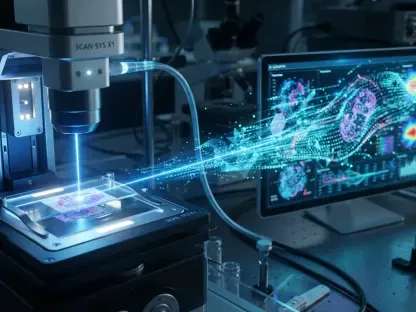
A critical driver behind this acquisition is the widening disparity between the rising demand for medical imaging and the finite supply of trained radiologists currently available in the workforce. To combat this chronic labor shortage, RadNet intends to deploy its DeepHealth AI technology across the ONRAD professional network to optimize interpretation workflows and maximize physician productivity. These advanced algorithms are specifically designed to prioritize urgent cases and automate routine administrative tasks, allowing radiologists to focus their expertise on the most complex clinical findings. By reducing the time spent on preliminary data processing, the AI-enabled tools help to eliminate diagnostic bottlenecks that often plague large hospital systems. This approach does not merely supplement the existing staff; it transforms the way radiologists interact with imaging data, creating a more efficient and accurate diagnostic process. Ultimately, the integration of artificial intelligence serves as a force multiplier that addresses the industry’s most pressing human capital challenges.
Transitioning Toward a Capital-Light Growth Model
Beyond the immediate technological advantages, the ONRAD deal signals a strategic pivot toward a capital-light business model that prioritizes physician expertise over physical infrastructure. Unlike traditional imaging centers that necessitate multi-million dollar investments in real estate and heavy machinery like MRI and CT scanners, a professional services platform scales through digital infrastructure and human capital. This shift allows RadNet to expand its national footprint and capture a larger share of the imaging market with greater agility and significantly lower overhead costs. By focusing on the intellectual component of radiology—the interpretation—the company can grow its revenue streams without the intensive capital expenditures typically associated with facility construction. This agile framework is particularly advantageous in the current economic climate, where traditional expansion can be slowed by high interest rates and supply chain disruptions for medical equipment. This model positions the company to adapt rapidly to new opportunities while maintaining a strong balance sheet.
Synchronizing Technology and Clinical Expertise
In the months following the close of the deal, the strategic alignment between professional services and digital health technology proved to be a decisive factor in improving patient outcomes. Stakeholders recognized that the ability to synthesize massive datasets through AI while maintaining a robust network of human experts was the only viable path forward for modern diagnostics. Health systems that adopted this integrated model observed a significant reduction in wait times for critical results, which directly translated to earlier interventions and more effective treatment plans. The move away from fragmented service providers toward a unified imaging partner highlighted the importance of data continuity and specialized staffing. Industry leaders began to view diagnostic imaging not as a series of isolated tests, but as a continuous stream of actionable intelligence. This evolution confirmed that the most successful organizations were those that treated technology and professional expertise as inseparable components of a single, high-performing ecosystem, setting a new standard for excellence in the field.