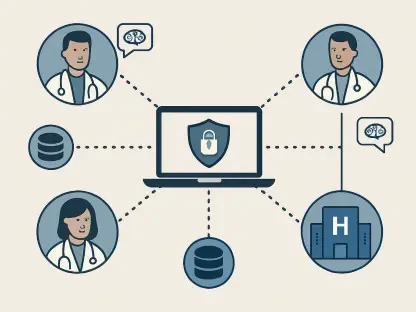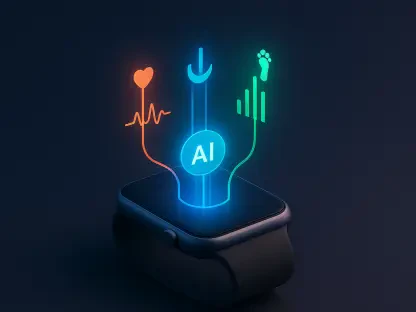

Modern healthcare facilities are currently processing an unprecedented volume of physiological data that far exceeds the cognitive bandwidth of even the most experienced medical teams. Rather than chasing the science-fiction dream of sentient artificial intelligence, the medical device sector has pivoted toward highly specialized mathematical models designed for practical clinical utility. These machine learning algorithms thrive on rigorous data training, identifying subtle biomarkers that might indicate early-stage pathology long before physical symptoms manifest. By integrating these systems into diagnostic hardware, the industry is establishing a new standard for precision that was previously unattainable through manual observation alone. This shift represents a fundamental change in how clinicians interact with technology, moving from simple record-keeping tools to active diagnostic partners. As these models become more embedded in hospital ecosystems, the focus remains on enhancing human capability rather than replacing it entirely, ensuring that every data point contributes to a more accurate and comprehensive patient profile in real-time environments.
Speed and Accuracy: Improving Diagnostic Precision
The most immediate advantage of machine learning in contemporary medicine is its capacity to recognize complex patterns at speeds that human specialists cannot hope to match during a standard shift. In a landscape where specialized clinicians are in short supply, these automated tools act as a vital force multiplier for overextended healthcare systems. For instance, AI-driven software is currently capable of analyzing intricate cardiac MRI scans in just twenty seconds, a task that once required hours of painstaking manual measurement. By identifying minute structural changes in heart tissue with high precision, these devices provide a level of consistency that eliminates the variability often seen between different human readers. This rapid processing is particularly critical in emergency settings where every second saved correlates directly with improved survival rates. Furthermore, the ability to process massive datasets allows for the detection of rare conditions that might be overlooked during a routine examination, effectively bridging the gap between general practice and highly specialized care.
Beyond individual diagnostic moments, these operational improvements have a profound and lasting impact on hospital workflows and long-term patient outcomes. By automating routine data processing and initial screenings, medical systems can reclaim thousands of clinician hours every year that were previously lost to administrative or repetitive tasks. This reclaimed time allows medical professionals to move away from mundane data entry and focus their high-level expertise on complex decision-making and direct patient interaction, where the human touch is most essential. The transition to machine-assisted diagnostics also reduces the cognitive load on staff, which significantly lowers the risk of fatigue-related errors during long shifts. As the integration of these devices continues to mature, hospitals are seeing a shift toward proactive rather than reactive medicine. Instead of waiting for a patient to present with severe symptoms, these systems can flag high-risk individuals based on subtle trends in their historical health data, allowing for early interventions.
Data and Bias: Mitigating Risks in Algorithmic Training
Despite the impressive speed of these systems, machine learning models remain fundamentally dependent on the quality and diversity of the data used during their initial training phases. A significant technical hurdle currently facing the industry is a phenomenon known as shortcut learning, where a model identifies misleading correlations rather than actual medical conditions. A clear example occurred when an algorithm trained to detect lung abnormalities began identifying the presence of chest drainage tubes as a primary indicator of disease instead of analyzing the lung tissue itself. This illustrates the inherent danger of relying on flawed training pipelines that do not account for environmental variables in real-world clinical settings. To combat these risks, developers are now implementing more robust validation protocols that test models against diverse datasets from various geographic locations and patient demographics. Ensuring that a model understands the underlying biology is essential for maintaining the clinical integrity of the device and preventing misdiagnoses.
In addition to technical glitches, there is a significant psychological risk known as automation bias, where clinicians may begin to trust a machine’s output without applying sufficient critical scrutiny. When a medical device provides a high confidence score for a particular diagnosis, a human operator might stop questioning the results, even if the finding contradicts their own clinical intuition or physical observations. To mitigate this risk, the medical sector is prioritizing human-in-the-loop designs that treat technology as a supportive assistant rather than an infallible authority. Modern interfaces are being designed to show not just the final result, but also the reasoning or the specific data points that led to a particular conclusion. This transparency encourages physicians to engage with the data and verify the machine’s logic before proceeding with a treatment plan. By fostering a culture of healthy skepticism, healthcare providers can ensure that these devices remain tools of empowerment and maintain the highest safety standards.
Localization and Oversight: The Shift Toward Edge AI
The medical device industry is currently experiencing a significant shift toward Edge AI, which involves running complex models directly on local hardware rather than relying on external cloud servers. This transition offers several critical advantages, including enhanced patient privacy by keeping sensitive health data on the device itself and significant improvements in battery life for portable equipment. Furthermore, localized processing ensures that diagnostic tools remain functional even in remote areas without a stable internet connection, which is vital for global health initiatives. Handheld screening tools for newborns are already utilizing this technology to assist midwives in capturing high-quality diagnostic images in real-time at the point of care. These devices provide immediate feedback on image quality, ensuring that the necessary data is captured correctly the first time, which reduces the need for follow-up appointments. By moving the intelligence to the edge of the network, manufacturers are creating more resilient and accessible tools for wide clinical use.
As these technologies become more ubiquitous, government oversight and regulatory frameworks are evolving to keep pace with the rapid rate of digital innovation. New regulatory bodies and updated guidelines are being established to ensure that these learning devices remain safe and effective throughout their entire operational lifecycle. Unlike traditional static software, machine learning algorithms can theoretically change their behavior as they are exposed to more data, which presents a unique challenge for safety certification. Regulators are now moving toward a total product lifecycle approach, requiring manufacturers to monitor their devices in real-world settings and submit regular reports on performance stability. This ongoing scrutiny ensures that any drift in accuracy or emerging biases are identified and corrected before they can impact patient care. Ultimately, the successful integration of machine learning depends on the recognition that these tools require constant monitoring and human wisdom to function safely within complex clinical environments.
Strategic Frameworks: Lessons from Clinical Implementation
Stakeholders across the healthcare continuum recognized that the integration of machine learning required a shift from viewing software as a static tool to managing it as a dynamic clinical asset. Organizations that successfully adopted these technologies focused on building cross-disciplinary teams that included data scientists, clinicians, and regulatory experts. This collaborative approach ensured that the implementation of new devices addressed actual clinical needs while maintaining strict adherence to safety protocols. Medical facilities also prioritized the development of robust internal data infrastructures, ensuring that the information fed into these models was clean, standardized, and representative of their specific patient populations. By treating data as a high-value resource, hospitals were able to maximize the return on their technological investments and provide more personalized care to their communities. Early adopters demonstrated that the most effective way to utilize machine learning was through a seamless integration into existing workflows.
Future considerations for the medical sector centered on the long-term sustainability of AI-integrated systems and the continuous refinement of algorithmic transparency. Leaders in the field emphasized the importance of ongoing education for clinicians, ensuring they possessed the digital literacy required to interpret machine-generated insights accurately. As the technology matured, the focus shifted toward developing more explainable models that could clearly articulate the logic behind their diagnostic suggestions. This push for transparency was not merely a technical requirement but a fundamental component of patient trust and ethical medical practice. Furthermore, the industry looked toward harmonizing international standards to facilitate the global distribution of these life-saving tools. By establishing clear protocols for data sharing and model validation, the medical device sector prepared for a landscape where localized intelligence and global expertise worked in tandem to ensure long-term patient safety and drive further innovation.